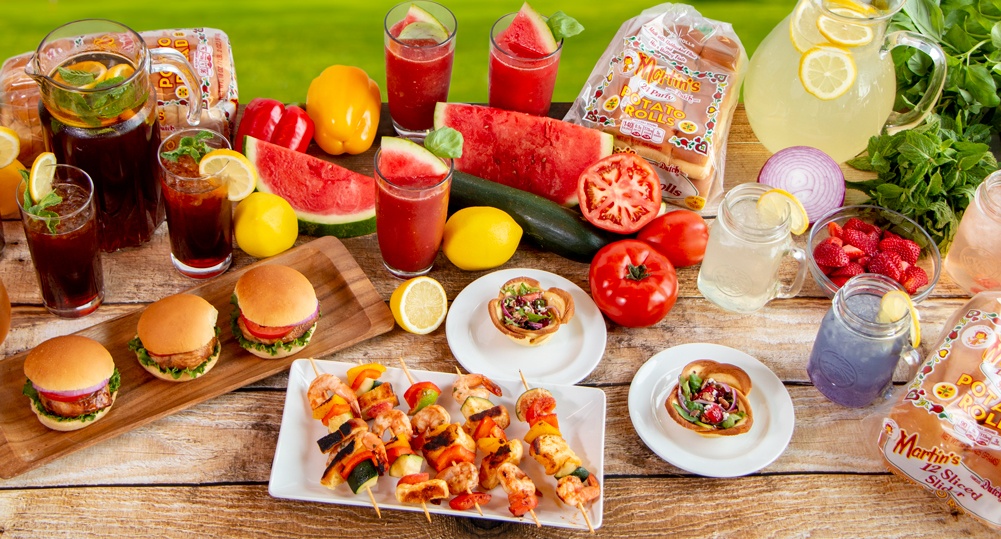
The Best Beverages to Elevate Your Everyday Moments
In the vast and vibrant world of food and beverages, finding the perfect drink to complement a meal, invigorate your senses, or simply provide a moment of pure enjoyment can be a delightful quest. From the comforting warmth of a morning brew to the refreshing zest of an afternoon pick-me-up, beverages play a crucial role in our daily lives. This guide delves into the best beverage categories, exploring their unique qualities, how to appreciate them, and the sheer pleasure they offer. Whether you're a seasoned connoisseur or a curious explorer, there's a perfect drink waiting to be discovered.
The Timeless Appeal of Coffee
Coffee, for many, is more than just a drink; it's a ritual, a catalyst, and a comforting companion. The journey from bean to cup is a complex and fascinating one, involving diverse growing regions, meticulous roasting processes, and a myriad of brewing methods, each contributing to a unique flavor profile.
Understanding Coffee Varieties
The two most prominent species of coffee beans are Arabica and Robusta. Arabica beans are renowned for their complex aroma, nuanced flavors, and lower caffeine content. They often exhibit notes of fruit, flowers, and wine, making them a favorite for specialty coffee enthusiasts. Robusta beans, on the other hand, are known for their bold, strong flavor, higher caffeine kick, and often a more bitter, rubbery undertone. They are frequently used in espresso blends to create a rich crema and add intensity.
Exploring Brewing Methods
The way coffee is brewed significantly impacts its final taste. Each method extracts different soluble compounds from the coffee grounds, leading to distinct textures and flavor profiles.
* **Drip Coffee:** A ubiquitous and accessible method, drip coffee makers use gravity to pull hot water through coffee grounds. This results in a clean, balanced cup that is easy to enjoy daily.
* **Pour-Over:** This manual method offers greater control over the brewing process, allowing for a more nuanced extraction. The slow, deliberate pouring of water over the grounds can highlight delicate flavors and aromas.
* **French Press:** This immersion brewing method involves steeping coffee grounds in hot water before pressing a plunger to separate the grounds. It produces a full-bodied coffee with a rich mouthfeel and often more sediment.
* **Espresso:** A highly concentrated coffee brewed by forcing hot water under high pressure through finely ground coffee beans. Espresso forms the base for many popular coffee drinks like lattes, cappuccinos, and macchiatos, celebrated for its intense flavor and crema.
* **Cold Brew:** Coffee grounds are steeped in cold water for an extended period (12-24 hours). This process results in a smooth, low-acid, and naturally sweet coffee concentrate, perfect for iced beverages.
The Art of Coffee Tasting
Appreciating coffee involves engaging all your senses. Look at the color of the brew, inhale its aroma, and then take a sip, allowing it to coat your palate. Consider its acidity (brightness), body (mouthfeel), flavor notes (sweet, bitter, fruity, nutty, chocolatey), and finish (the lingering taste).
The Refreshing World of Tea
Tea, with its ancient origins and global reach, offers a spectrum of flavors and experiences as diverse as coffee. From the delicate notes of white tea to the robust character of black tea, each variety provides a unique sensory journey.
A Spectrum of Tea Types
The processing of the tea leaf determines its classification. All true teas originate from the *Camellia sinensis* plant.
* **White Tea:** The least processed tea, white tea is made from young tea leaves and buds. It has a delicate, subtle flavor with floral and fruity undertones, and a pale, translucent liquor.
* **Green Tea:** Unoxidized green tea is heated shortly after harvesting to prevent oxidation, preserving its vibrant green color and fresh, grassy, or vegetal flavors. Popular varieties include Sencha, Matcha, and Dragon Well.
* **Oolong Tea:** Partially oxidized, oolong teas fall between green and black teas. They offer a wide range of flavors, from light and floral to dark and roasted, with complex aromas.
* **Black Tea:** Fully oxidized, black tea has a robust, malty, and often fruity flavor profile with a dark, reddish-brown liquor. Popular examples include Earl Grey, Assam, and Darjeeling.
* **Pu-erh Tea:** A post-fermented tea from Yunnan, China, Pu-erh can be aged for years, developing complex earthy, woody, and sometimes leathery notes.
Beyond true teas, the world of **herbal infusions** (tisanes) offers a vast array of caffeine-free beverages. These are made from various plants, fruits, and spices, such as chamomile, peppermint, rooibos, hibiscus, and ginger.
Brewing the Perfect Cup of Tea
Just like coffee, the brewing method for tea is crucial. Water temperature and steeping time are key factors that influence the extraction of flavor and can prevent bitterness.
* **Delicate Teas (White, Green):** Require cooler water (around 160-175°F or 70-80°C) and shorter steeping times (1-3 minutes) to preserve their subtle flavors.
* **Oolong and Black Teas:** Can tolerate hotter water (around 185-205°F or 85-96°C) and longer steeping times (3-5 minutes).
* **Herbal Infusions:** Generally benefit from boiling water and longer steeping times (5-10 minutes or more) to fully extract their flavors and beneficial compounds.
The Ritual of Tea Appreciation
Tea tasting involves observing the color of the liquor, appreciating the aroma, and savoring the taste. The complexity of tea allows for a rich exploration of flavor notes, from sweet and floral to earthy and spicy.
The Invigorating World of Juices and Smoothies
When seeking a burst of freshness and a dose of nutrients, natural juices and vibrant smoothies are excellent choices. They offer a convenient and delicious way to consume fruits and vegetables.
The Purity of Fresh Juices
Freshly squeezed juices capture the pure essence of fruits and vegetables. Whether it's the tangy sweetness of orange juice, the earthy notes of beet juice, or the crispness of apple juice, the benefits are immediate and refreshing. Juicing removes the fiber, concentrating the vitamins, minerals, and antioxidants.
* **Citrus Juices:** Orange, grapefruit, and lemon juices are rich in Vitamin C and offer a bright, zesty flavor.
* **Vegetable Juices:** Carrot, celery, and leafy green juices provide a concentrated source of vitamins and minerals, often with a more subtle or earthy taste.
* **Fruit and Vegetable Blends:** Combining fruits and vegetables can create balanced and complex flavor profiles, offering a wider range of nutrients.
The Wholesome Goodness of Smoothies
Smoothies offer a more complete nutritional package by blending whole fruits, vegetables, and often other ingredients like yogurt, milk, nuts, seeds, and protein powders. This retains the fiber, which aids digestion and promotes satiety.
* **Fruit-Forward Smoothies:** Primarily made with fruits like berries, bananas, and mangoes, offering natural sweetness and vibrant flavors.
* **Green Smoothies:** Incorporate leafy greens like spinach, kale, or romaine lettuce, often balanced with fruits to mask the vegetal taste and enhance nutrient density.
* **Protein Smoothies:** Designed for post-workout recovery or as a meal replacement, these often include protein powder, nuts, seeds, and healthy fats.
Tips for Enjoying Juices and Smoothies
* **Freshness is Key:** Consume freshly made juices and smoothies as soon as possible to maximize nutrient content.
* **Balance Your Flavors:** Combine sweet fruits with tart fruits or vegetables to create a more palatable and complex taste.
* **Add Healthy Fats and Proteins:** Incorporate ingredients like avocado, nuts, seeds, or yogurt to create a more filling and balanced beverage.
The Sophistication of Wine
Wine, a beverage steeped in history and culture, offers an unparalleled complexity and a journey of sensory discovery. From the bold tannins of a Cabernet Sauvignon to the delicate acidity of a Sauvignon Blanc, each bottle tells a story of its origin, grape varietal, and winemaking artistry.
Understanding Wine Categories
Wines are broadly categorized by their color, sweetness, and body.
* **Red Wines:** Made from dark-skinned grapes, red wines can range from light-bodied and fruity (like Pinot Noir) to full-bodied and robust (like Shiraz or Malbec). They are often characterized by tannins, which contribute to their structure and aging potential.
* **White Wines:** Crafted from green or yellow-skinned grapes, white wines can be crisp and refreshing (like Sauvignon Blanc or Pinot Grigio) or rich and full-bodied (like Chardonnay). Their flavor profiles often include notes of citrus, stone fruit, and tropical fruits.
* **Rosé Wines:** Made from red grapes with limited skin contact, rosé wines offer a spectrum of colors from pale pink to deep ruby. They typically exhibit fruity and floral notes with a refreshing acidity.
* **Sparkling Wines:** Characterized by their effervescence, sparkling wines like Champagne, Prosecco, and Cava are produced through secondary fermentation. They can range from dry to sweet and are often enjoyed as celebratory drinks.
* **Dessert Wines:** Sweet wines, often fortified, with higher alcohol content and intense flavors. Examples include Port, Sherry, and Sauternes.
The Art of Wine Tasting
Wine appreciation involves a systematic approach to understanding its characteristics.
1. **Look:** Observe the wine's color, clarity, and viscosity (legs).
2. **Smell:** Swirl the wine to release its aromas and identify notes of fruit, earth, spices, or oak.
3. **Taste:** Take a sip, noting its acidity, tannins (in reds), sweetness, body, and the complexity of its flavors. Consider the finish – how long the flavors linger.
Pairing Wine with Food
The classic adage of "what grows together, goes together" often holds true. However, understanding basic pairing principles can elevate your dining experience. Generally, lighter wines pair well with lighter dishes, and fuller-bodied wines complement richer, heavier meals.
The Comforting Embrace of Water
While often overlooked in discussions of "best" beverages, water is the most fundamental and essential drink for human life. Its purity, versatility, and life-sustaining properties make it the ultimate beverage.
The Importance of Hydration
Water plays a vital role in virtually every bodily function, from regulating temperature and transporting nutrients to lubricating joints and aiding in waste removal. Staying adequately hydrated is crucial for overall health and well-being.
Exploring Different Types of Water
* **Tap Water:** Safe and readily available in most developed regions, tap water can be enjoyed as is or filtered for improved taste.
* **Bottled Water:** Comes in various forms, including spring water, purified water, and mineral water, each with slightly different mineral compositions and taste profiles.
* **Sparkling Water:** Carbonated water, either naturally or artificially, offers a refreshing alternative to still water, often enjoyed on its own or as a mixer.
Enhancing Your Water Intake
For those who find plain water uninspiring, there are simple ways to add flavor and interest:
* **Infused Water:** Add slices of fruit (lemon, lime, cucumber, berries), herbs (mint, basil), or spices (ginger) to your water for a subtle and refreshing taste.
* **Herbal Teas (Unsweetened):** A wonderful way to enjoy flavorful hydration without caffeine.
In conclusion, the world of beverages is a rich tapestry of flavors, aromas, and experiences. From the invigorating kick of coffee to the soothing comfort of herbal tea, the vibrant energy of juices to the sophisticated complexity of wine, and the fundamental necessity of water, each drink offers a unique way to enhance our lives. By understanding the nuances of different beverage categories and embracing the art of appreciation, we can truly elevate our everyday moments, one sip at a time.
We use cookies to improve your experience and analyze site traffic. See our Cookie Policy and Privacy Policy. By continuing you agree to their use.