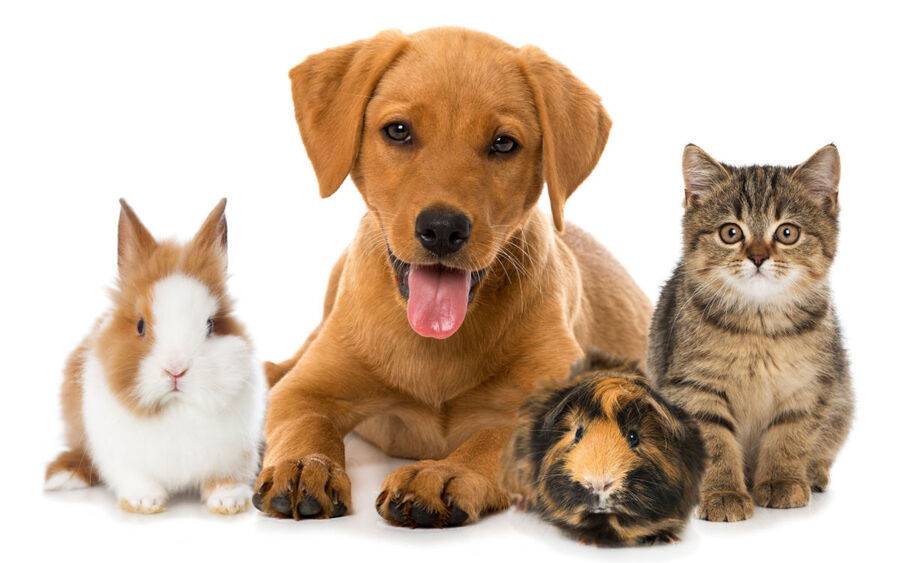
The Best Pets for Every Lifestyle: Finding Your Perfect Companion
Choosing a pet is a significant decision, one that brings immense joy, companionship, and responsibility into your life. The "best" pet isn't a one-size-fits-all answer; it's entirely dependent on your individual lifestyle, living situation, time commitment, and personal preferences. Whether you're a busy professional seeking a low-maintenance friend, a family with young children looking for an interactive playmate, or an apartment dweller yearning for a small, affectionate creature, there's a perfect pet out there waiting to enrich your world. This comprehensive guide explores various pet categories and highlights some of the best options within each, helping you make an informed choice that leads to a happy and fulfilling relationship for both you and your future furry, feathered, or scaly companion.
Understanding Your Lifestyle: The Foundation of Pet Ownership
Before diving into specific pet recommendations, it's crucial to honestly assess your lifestyle. This self-reflection will significantly narrow down your options and prevent potential mismatches that can lead to stress for both you and the animal.
Time Commitment
Consider how much time you realistically have to dedicate to a pet each day. Some animals require extensive playtime, training, grooming, and social interaction, while others are more independent. Be honest about your work schedule, social life, and other commitments.
Living Situation
Your home environment plays a vital role. Do you live in a spacious house with a yard, a small apartment, or something in between? The size and energy level of a pet should be compatible with your living space. Some pets, like large dogs, need ample room to roam, while smaller animals can thrive in more confined areas.
Activity Level
Are you an avid hiker and outdoors enthusiast, or do you prefer a more sedentary lifestyle? Your activity level should align with your pet's needs. High-energy pets will thrive with an active owner, while lower-energy animals might be a better fit for someone who enjoys quiet evenings at home.
Financial Resources
Pet ownership involves ongoing costs beyond the initial adoption fee. Factor in food, veterinary care (including potential emergencies), toys, grooming, bedding, and other supplies. Some pets are more expensive to maintain than others.
Family Dynamics
If you have children, consider their ages and temperaments. Some pets are more patient and tolerant of younger children, while others may be easily overwhelmed or stressed by boisterous interactions. It's also important to consider if anyone in the household has allergies.
The Best Companion Animals: A Deep Dive into Popular Pet Categories
Now that you've considered your lifestyle, let's explore some of the most popular pet categories and the best options within each.
Dogs: Man's Best Friend
Dogs are renowned for their loyalty, affection, and playful nature. They offer unparalleled companionship and can enrich lives in countless ways. However, they also require a significant commitment in terms of time, training, and exercise.
Best Dog Breeds for Active Individuals and Families:
- Labrador Retriever: Intelligent, friendly, and energetic, Labs are excellent family dogs and thrive with regular exercise and outdoor activities.
- Golden Retriever: Similar to Labs in temperament, Goldens are known for their gentle nature and patience, making them wonderful companions for families.
- Border Collie: Highly intelligent and agile, Border Collies excel in dog sports and need a lot of mental and physical stimulation. They are best suited for experienced owners who can provide them with a job to do.
- Australian Shepherd: Energetic and eager to please, Aussies are loyal and make great companions for active families who enjoy hiking, running, and training.
Best Dog Breeds for Apartment Living or Less Active Lifestyles:
- Cavalier King Charles Spaniel: Affectionate and adaptable, Cavaliers are happy to cuddle on the couch but also enjoy short walks.
- Bichon Frise: These cheerful and playful dogs are relatively low-energy and can adapt well to apartment living with regular indoor play and short outdoor excursions.
- Shih Tzu: Known for their calm demeanor and love of companionship, Shih Tzus are well-suited for apartment life and enjoy gentle strolls.
- Greyhound: Despite their racing background, Greyhounds are often referred to as "couch potatoes" and are surprisingly low-energy indoors, enjoying short bursts of activity followed by long naps.
Important Considerations for Dog Ownership:
- Training: Early socialization and consistent training are crucial for a well-behaved dog.
- Exercise: All dogs need daily exercise, but the amount varies greatly by breed.
- Grooming: Some breeds require regular professional grooming, while others need daily brushing.
- Veterinary Care: Regular check-ups, vaccinations, and preventative care are essential.
Cats: Independent yet Affectionate Companions
Cats offer a unique blend of independence and affection, making them popular choices for those who may not have the time for a dog's constant demands. They are often more self-sufficient but still crave interaction and love.
Best Cat Breeds for Affection and Companionship:
- Ragdoll: Known for their docile and placid temperament, Ragdolls are famously affectionate and enjoy being held, often going limp like a ragdoll.
- Siamese: Vocal and intelligent, Siamese cats are very people-oriented and form strong bonds with their owners, often seeking attention and interaction.
- Maine Coon: Gentle giants, Maine Coons are friendly, playful, and good-natured, often enjoying the company of both humans and other pets.
- American Shorthair: These adaptable and easy-going cats are known for their good health and friendly disposition, making them great family pets.
Best Cat Breeds for Lower Maintenance or More Independent Personalities:
- British Shorthair: Calm and dignified, British Shorthairs are relatively independent and enjoy quiet companionship without being overly demanding.
- Russian Blue: Reserved and intelligent, Russian Blues are known for their quiet nature and can be affectionate with their chosen people, but they are not typically lap cats.
- Persian: While they require regular grooming, Persians are generally calm and enjoy a relaxed lifestyle, often content to observe their surroundings from a comfortable perch.
Important Considerations for Cat Ownership:
- Litter Box Training: Cats are naturally clean and typically take to litter boxes easily.
- Enrichment: Provide scratching posts, toys, and climbing opportunities to keep them entertained and stimulated.
- Veterinary Care: Regular check-ups, vaccinations, and parasite control are important.
- Grooming: Long-haired breeds require daily brushing to prevent matting.
Small Animals: Pocket-Sized Personalities
Small animals offer a wonderful entry point into pet ownership, often requiring less space and time commitment than dogs or cats. They can be incredibly rewarding and bring unique charms to a household.
Best Small Animals for Children and Beginners:
- Guinea Pigs: Gentle, social, and vocal, guinea pigs are generally good-natured and enjoy interaction. They require a spacious cage and a diet rich in Vitamin C.
- Hamsters: Nocturnal and active, hamsters are fascinating to watch as they burrow and run on their wheels. They are best suited for observation rather than extensive handling.
- Rats: Surprisingly intelligent and social, rats can form strong bonds with their owners and enjoy interactive play. They require a clean, stimulating environment.
Best Small Animals for Observation and Minimal Interaction:
- Gerbils: These desert rodents are active burrowers and enjoy digging. They are generally clean and relatively low-maintenance.
- Mice: Small and quick, mice are primarily for observation. They are social within their own species and require a secure enclosure.
Important Considerations for Small Animal Ownership:
- Cage Size and Setup: Ensure adequate space for movement, burrowing, and enrichment.
- Diet: Provide a balanced diet specific to the species.
- Handling: Some small animals are more tolerant of handling than others; always approach them gently.
- Lifespan: Be aware that many small animals have shorter lifespans than larger pets.
Birds: Colorful Companions with Melodies
Birds can bring vibrant color, cheerful songs, and engaging personalities into a home. They range from small, easily managed finches to larger, more interactive parrots.
Best Birds for Beginners and Smaller Spaces:
- Budgies (Budgerigars): Small, social, and capable of learning to talk, budgies are a popular choice for their lively personalities and relatively easy care.
- Finches: These small, active birds are best enjoyed for their chirping and social interactions within their flock. They are not typically handled.
- Canaries: Renowned for their beautiful singing, canaries are primarily for auditory enjoyment and require a spacious cage.
Best Birds for Interaction and Companionship (for Experienced Owners):
- Cockatiels: Intelligent and affectionate, cockatiels can learn to whistle tunes and mimic sounds, forming strong bonds with their owners.
- Conures: Playful and energetic, conures are highly social and can be very interactive, but they can also be quite noisy.
- African Greys: Renowned for their intelligence and ability to mimic human speech, African Greys require significant mental stimulation and social interaction.
Important Considerations for Bird Ownership:
- Cage Size and Environment: Birds need ample space to fly and play.
- Diet: Provide a balanced diet of seeds, pellets, fruits, and vegetables.
- Socialization: Many birds are social creatures and require daily interaction.
- Noise Level: Be prepared for varying levels of vocalization depending on the species.
Fish: Tranquil and Mesmerizing Aquatics
Aquariums offer a tranquil and visually captivating addition to any home. While they require careful setup and maintenance, the reward is a mesmerizing underwater world.
Best Fish for Beginners and Small Aquariums:
- Betta Fish: Known for their vibrant colors and flowing fins, betta fish are territorial and are best kept individually in smaller tanks (5 gallons or more).
- Goldfish: While often perceived as easy pets, goldfish can grow quite large and produce a lot of waste, requiring larger tanks (20 gallons for a single fancy goldfish) and good filtration.
- Guppies: Small, colorful, and prolific breeders, guppies are a good choice for community tanks and are relatively hardy.
Best Fish for Community Tanks (with appropriate compatibility):
- Tetras: Peaceful schooling fish that come in a variety of colors, tetras are a popular choice for community aquariums.
- Danios: Active and hardy, danios are good for beginners and can tolerate a range of water conditions.
- Corydoras Catfish: Peaceful bottom-dwellers that help keep the tank clean by scavenging for food.
Important Considerations for Fish Ownership:
- Tank Size: Research the appropriate tank size for the species you choose.
- Water Parameters: Maintaining proper water temperature, pH, and ammonia levels is crucial.
- Filtration: A good filter is essential for keeping the water clean and healthy.
- Cycling the Tank: This is a vital process to establish beneficial bacteria before adding fish.
Making the Final Decision: A Journey of Love and Responsibility
Choosing the "best" pet is a deeply personal journey. It's about finding a creature that complements your life, brings you joy, and for whom you can provide a loving and responsible home. Take your time, do your research, and consider all aspects of pet ownership. Visiting shelters and rescues can also be an invaluable experience, allowing you to interact with animals and get a feel for different personalities. Remember, a pet is a commitment, and the rewards of a strong human-animal bond are immeasurable. By thoughtfully considering your lifestyle and the needs of potential companions, you can find the perfect pet that will bring happiness and enrichment to your life for years to come.