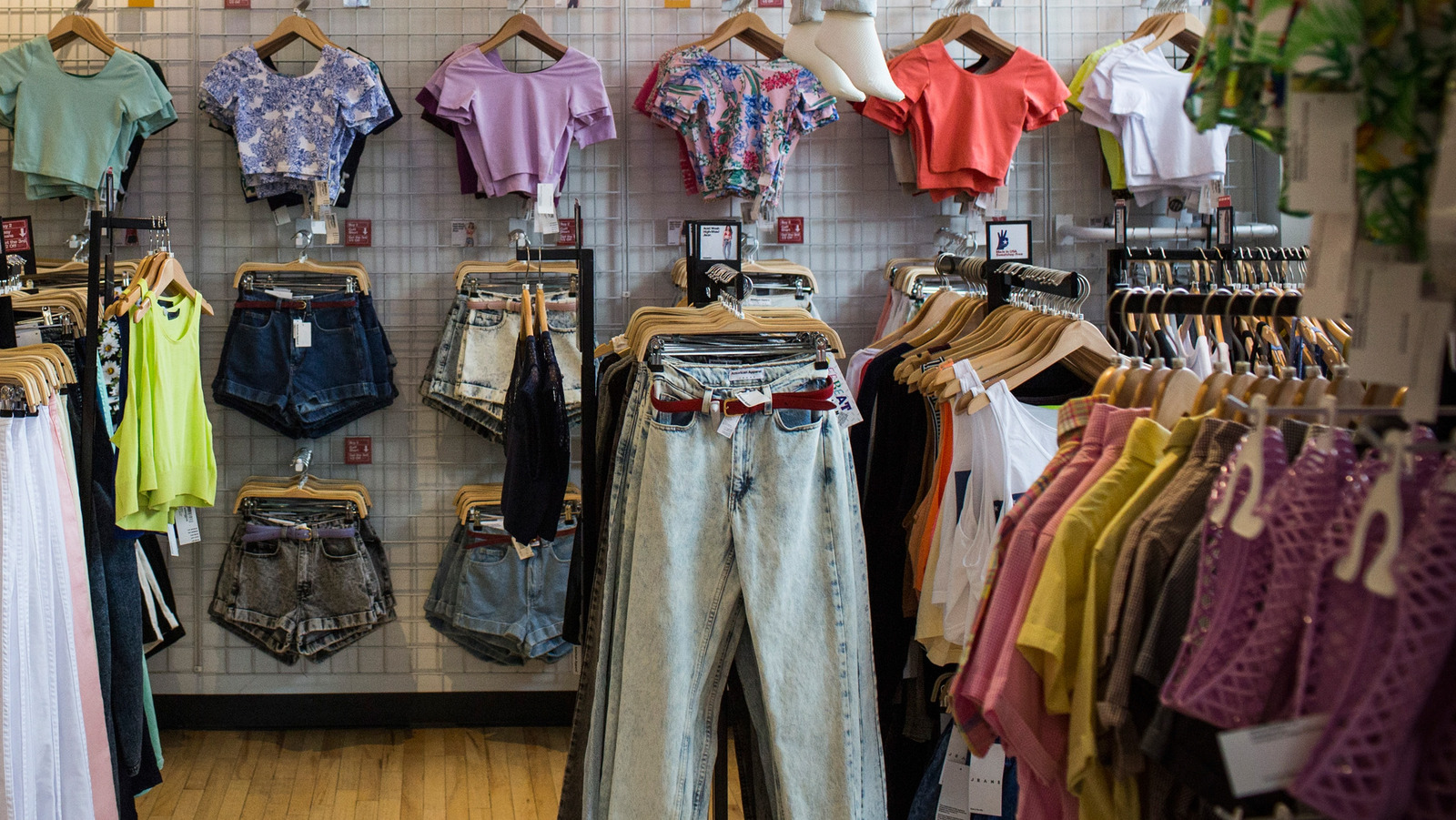
The Ultimate Guide to Choosing the Perfect Apparel and Clothing
In the vast and ever-evolving world of apparel and clothing, making informed choices can feel like navigating a labyrinth. From understanding fabric compositions to identifying the best fit for your body type and occasion, the sheer volume of options can be overwhelming. This comprehensive buying guide is designed to demystify the process, empowering you to make smart, stylish, and sustainable decisions when it comes to your wardrobe. Whether you're a seasoned fashion enthusiast or just starting to build your personal style, we'll cover the essential factors to consider, ensuring you invest in pieces that not only look great but also feel fantastic and stand the test of time.
Understanding Fabric Types: The Foundation of Quality Apparel
The material from which your clothing is made is arguably the most crucial factor influencing its comfort, durability, breathability, and overall feel. Different fabrics offer unique properties, making them suitable for various climates, activities, and personal preferences. Understanding these differences will help you select garments that meet your specific needs and expectations.
Natural Fibers: The Timeless Classics
Natural fibers are derived from plants or animals and have been used for centuries in clothing production. They are often prized for their breathability, softness, and biodegradability.
- Cotton: One of the most popular natural fibers, cotton is known for its softness, breathability, and absorbency. It's versatile, hypoallergenic, and relatively easy to care for, making it ideal for everyday wear, t-shirts, jeans, and undergarments. However, cotton can wrinkle easily and may shrink if not washed and dried properly. Look for terms like "organic cotton" for more sustainable options.
- Linen: Derived from the flax plant, linen is renowned for its exceptional breathability and coolness, making it perfect for warm weather. It's strong, durable, and has a unique, slightly textured appearance that can add a sophisticated touch to garments. Linen wrinkles very easily, which is often considered part of its charm, but requires specific care to maintain its shape.
- Wool: Sourced from sheep, goats, or other animals, wool is celebrated for its warmth, insulation, and natural moisture-wicking properties. It's also naturally odor-resistant and flame-retardant. Wool can range from fine merino wool, which is soft and non-itchy, to coarser wools used for outerwear and blankets. It requires careful washing to prevent shrinking and felting.
- Silk: A luxurious natural fiber produced by silkworms, silk is incredibly soft, smooth, and lustrous. It's lightweight, breathable, and drapes beautifully, making it ideal for elegant dresses, blouses, and lingerie. Silk is delicate and requires gentle handwashing or dry cleaning.
- Hemp: Similar to linen, hemp is a strong, durable, and breathable natural fiber derived from the hemp plant. It's known for its sustainability, requiring less water and pesticides to grow than cotton. Hemp fabric softens with each wash and can be blended with other fibers for added comfort.
Synthetic Fibers: Performance and Durability
Synthetic fibers are man-made, typically derived from petrochemicals. They often offer enhanced durability, wrinkle resistance, and specific performance characteristics.
- Polyester: A highly durable and wrinkle-resistant synthetic fiber, polyester is often blended with natural fibers to improve their performance. It's resistant to stretching and shrinking and dries quickly. However, polyester can be less breathable than natural fibers and may not feel as soft.
- Nylon: Known for its exceptional strength, elasticity, and abrasion resistance, nylon is commonly used in activewear, hosiery, and outerwear. It's lightweight and quick-drying. Like polyester, it can be less breathable than natural fibers.
- Spandex (Elastane/Lycra): This highly elastic synthetic fiber is almost always blended with other fibers to provide stretch and shape retention. It's essential for activewear, form-fitting garments, and anything requiring flexibility and comfort of movement.
- Rayon (Viscose): While technically a manufactured fiber, rayon is derived from regenerated cellulose, often from wood pulp, making it a semi-synthetic. It drapes beautifully, is soft to the touch, and can mimic the feel of silk or cotton. Rayon can be prone to wrinkling and may require delicate care.
Fit and Silhouette: The Art of Dressing for Your Body
The way a garment fits your body significantly impacts its appearance and your comfort. Understanding different fits and silhouettes can help you choose clothing that flatters your unique shape and makes you feel confident.
Understanding Common Fits
- Classic/Regular Fit: This is a standard, comfortable fit that is neither too tight nor too loose. It offers a balanced silhouette and is suitable for most body types and occasions.
- Slim Fit: This fit is tailored closer to the body than a regular fit but not as tight as a skinny fit. It offers a more modern and streamlined look, often preferred for shirts, trousers, and jackets.
- Relaxed Fit: This fit is looser and more comfortable, offering more room for movement. It's ideal for casual wear, activewear, or for those who prefer a less restrictive feel.
- Oversized Fit: As the name suggests, this fit is intentionally large and voluminous, creating a statement silhouette. It's a popular trend in streetwear and casual fashion.
- Tailored Fit: This refers to garments that are specifically cut and constructed to fit a particular body shape precisely. Often achieved through custom tailoring or well-designed ready-to-wear pieces, it offers a polished and sophisticated look.
Exploring Different Silhouettes
Silhouettes refer to the overall shape and outline of a garment. Understanding how different silhouettes can complement your body shape is key to building a flattering wardrobe.
- A-Line: This silhouette is fitted at the shoulders and gradually widens towards the hem, resembling the letter "A." It's flattering for many body types as it skims over the hips and thighs.
- Empire Waist: The waistline is raised to just below the bust, with the rest of the garment flowing loosely from there. This silhouette can elongate the legs and is often favored for dresses and tops.
- Sheath: A form-fitting silhouette that follows the natural curves of the body. It's often associated with elegant dresses and can be very flattering when well-fitted.
- Ballgown: Characterized by a fitted bodice and a very full, voluminous skirt that extends to the floor. This is a dramatic and formal silhouette.
- Column: A straight, narrow silhouette that falls from the shoulders to the hem without significant shaping. It creates a sleek and sophisticated look.
Occasion and Lifestyle: Dressing Appropriately
Your clothing choices should align with the specific occasion and your overall lifestyle. What you wear to a formal wedding will differ vastly from what you wear to a casual weekend brunch or a demanding outdoor adventure.
Formal Occasions
For events like weddings, galas, or important business meetings, opt for sophisticated fabrics and well-tailored pieces. Think classic suits, elegant dresses, crisp shirts, and refined accessories. The key is to exude polish and respect for the event's formality.
Business and Professional Settings
Workplace dress codes can vary, but generally, a professional setting calls for smart, conservative attire. This might include suits, blazers, tailored trousers or skirts, blouses, and button-down shirts. Prioritize clean lines, quality fabrics, and a neat appearance.
Casual Wear and Everyday Life
This is where comfort and personal expression often take center stage. Jeans, t-shirts, sweaters, casual dresses, and comfortable footwear are staples. Focus on pieces that are versatile, easy to care for, and reflect your personal style.
Active Lifestyle and Athleisure
For sports, exercise, or a relaxed, sporty aesthetic, performance-oriented fabrics are essential. Look for moisture-wicking, breathable materials that allow for a full range of motion. Athleisure blends athletic-inspired pieces with everyday fashion, prioritizing comfort and style.
Color and Pattern: Expressing Your Personality
Color and pattern are powerful tools for expressing your personality and influencing how you are perceived. Understanding color theory and how to effectively use patterns can elevate your style.
The Impact of Color
- Neutrals: Black, white, grey, navy, and beige are versatile and timeless. They form the foundation of many wardrobes and can be easily mixed and matched.
- Warm Colors: Reds, oranges, and yellows are energetic and vibrant. They can make a bold statement and are often associated with warmth and passion.
- Cool Colors: Blues, greens, and purples are calming and serene. They can create a sense of sophistication and tranquility.
- Pastels: Lighter, softer shades of colors are often associated with spring and summer and can add a delicate touch to an outfit.
Mastering Patterns
- Stripes: A classic pattern that can be bold or subtle. Vertical stripes can elongate the figure, while horizontal stripes can create a wider appearance.
- Florals: Ranging from delicate micro-florals to bold, statement blooms, floral patterns can add a touch of femininity and vibrancy.
- Geometric Prints: Shapes like checks, polka dots, and abstract geometric designs offer a modern and often graphic aesthetic.
- Animal Prints: Leopard, zebra, and snake prints can add a touch of edginess and sophistication when used thoughtfully.
When incorporating patterns, consider the scale and complexity. A busy pattern can be balanced with solid colors, and mixing patterns can be done effectively by ensuring they share a common color or a similar scale.
Quality and Durability: Investing in Your Wardrobe
Investing in high-quality apparel not only looks better but also lasts longer, ultimately saving you money and reducing your environmental impact. Several factors indicate good quality.
Construction and Stitching
Examine the seams. Are they neat, even, and well-finished? Look for reinforced stitching in areas of stress, such as at the shoulders, cuffs, and hems. Loose threads or uneven stitching are red flags.
Hardware and Embellishments
Buttons should be securely attached and made of quality materials. Zippers should glide smoothly. Any embellishments, like beads or embroidery, should be firmly in place.
Fabric Integrity
A good quality fabric will have a tight weave and feel substantial. It shouldn't be overly sheer unless intended. Feel the fabric – does it feel soft, smooth, and well-made?
Sustainability in Apparel: Making Conscious Choices
The fashion industry has a significant environmental footprint. Making more sustainable choices when purchasing apparel can contribute to a healthier planet.
- Choose Sustainable Materials: Opt for organic cotton, linen, hemp, recycled polyester, or Tencel™ Lyocell.
- Support Ethical Brands: Look for brands that are transparent about their manufacturing processes and ensure fair labor practices.
- Buy Less, Choose Well: Invest in timeless, versatile pieces that you'll wear for years to come, rather than chasing fast fashion trends.
- Care for Your Clothes: Proper washing and drying techniques can extend the lifespan of your garments.
- Consider Secondhand: Thrifting and buying pre-owned clothing is a highly sustainable way to update your wardrobe.
Conclusion: Building a Wardrobe That Works for You
Choosing the right apparel and clothing is a journey of self-discovery and informed decision-making. By understanding fabric types, mastering fit and silhouette, considering your lifestyle and occasions, and embracing color and pattern, you can curate a wardrobe that not only looks exceptional but also feels comfortable and reflects your unique personality. Prioritizing quality and making conscious, sustainable choices will ensure your clothing investments are both stylish and responsible. With this guide as your compass, you're well-equipped to navigate the world of apparel and build a collection that truly serves you.