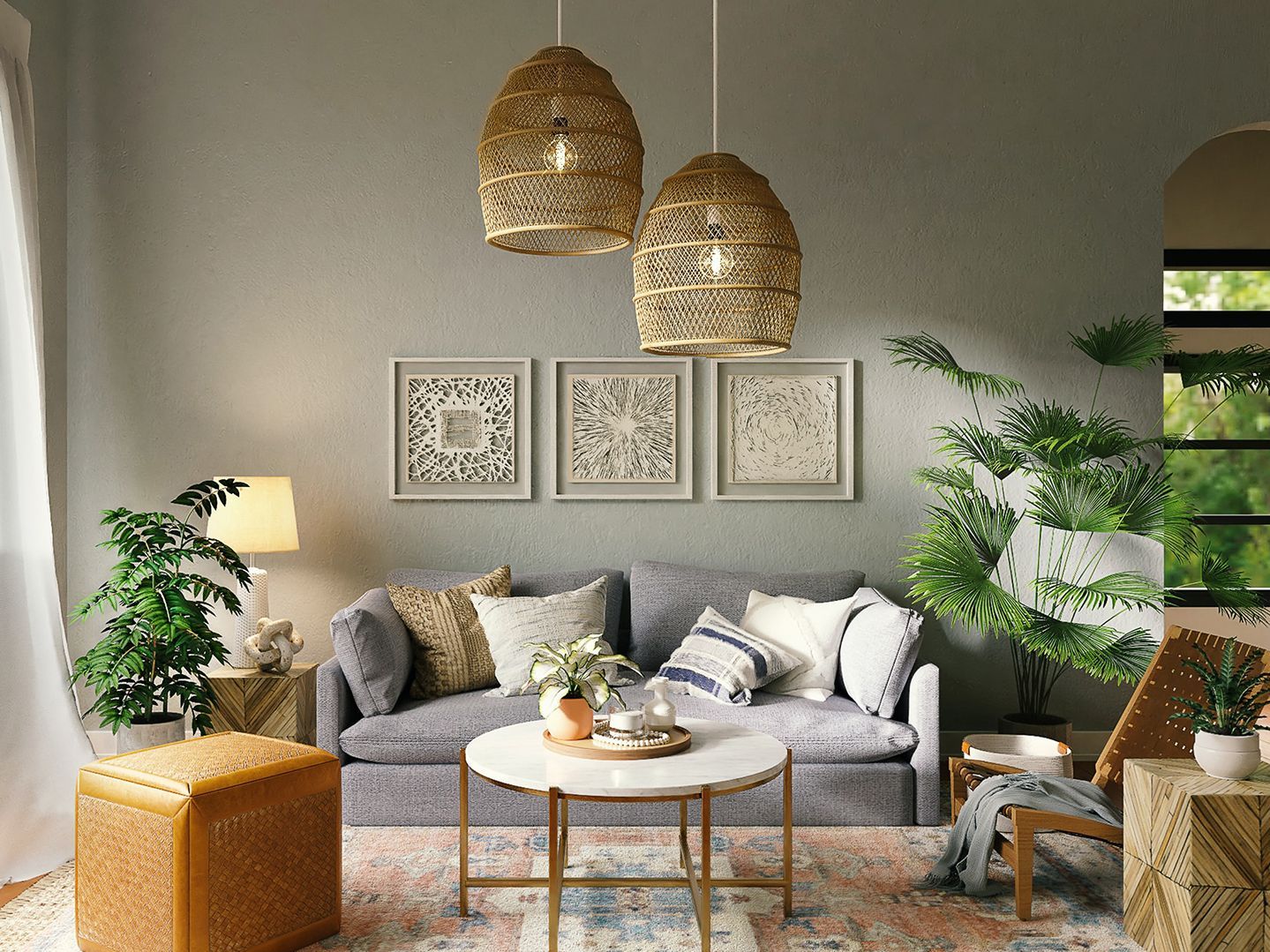
The Ultimate Guide to Elevating Your Home with Thoughtful Accessories
Your home is more than just a dwelling; it's a sanctuary, a reflection of your personality, and a space where memories are made. While the foundational elements of furniture and architecture set the stage, it's the carefully chosen home accessories that truly breathe life into a room, transforming it from functional to fabulous. These are the details that whisper stories, evoke emotions, and contribute to the overall ambiance and comfort of your living space. From the subtle charm of decorative objects to the practical elegance of everyday essentials, home accessories are the unsung heroes of interior design.
Navigating the vast world of home accessories can feel overwhelming. With an endless array of options, styles, and functionalities, how do you choose pieces that not only look good but also serve a purpose and align with your personal aesthetic? This comprehensive buying guide is designed to demystify the process. We'll explore the different types of home accessories, offer practical advice on selecting the right pieces for each room, and provide insights into how to curate a collection that truly elevates your home.
Understanding the Power of Home Accessories
Before diving into specific categories, it's crucial to understand the multifaceted role home accessories play in interior design. They are not merely decorative items; they are integral components that:
- Enhance Aesthetics: Accessories add color, texture, pattern, and visual interest, breaking up monochromatic schemes and adding depth to your decor.
- Define Style: The choice of accessories is a powerful indicator of your personal style, whether it's minimalist, bohemian, modern, traditional, or eclectic.
- Create Ambiance: Lighting, scent, and soft furnishings contribute to the mood and atmosphere of a room, making it feel cozy, vibrant, or serene.
- Improve Functionality: Many accessories serve practical purposes, such as storage, organization, or providing comfort, without compromising on style.
- Add Personality: Unique finds, heirlooms, and travel souvenirs inject a personal touch, making your home feel truly yours.
- Complete the Look: Just as jewelry completes an outfit, accessories are the finishing touches that tie a room together and make it feel polished.
Key Categories of Home Accessories
To make the selection process more manageable, let's break down home accessories into key categories. Understanding these will help you identify what you need and what you're looking for.
Decorative Objects
These are the pieces that primarily serve an aesthetic purpose, adding visual appeal and personality to surfaces and shelves.
- Vases: Whether filled with fresh flowers, dried botanicals, or standing alone, vases come in countless materials, shapes, and sizes. Consider ceramic, glass, metal, or even natural materials like wood or stone.
- Sculptures and Figurines: From abstract art pieces to charming animal figurines, these add a focal point and a touch of artistry.
- Picture Frames: Displaying cherished memories is a fundamental way to personalize your space. Mix and match frame styles and sizes for a dynamic gallery wall or keep it cohesive for a more minimalist look.
- Candles and Candle Holders: Beyond their ambient glow, candles and their holders are significant decorative elements. Choose scents that complement the room's purpose and holders that match your decor style.
- Trays: Decorative trays are incredibly versatile. Use them on coffee tables to corral remotes and coasters, on ottomans for a surface to rest drinks, or on entry tables to hold keys and mail.
- Bowls: Decorative bowls can hold anything from potpourri to decorative orbs, or simply serve as standalone art pieces.
- Mirrors: Mirrors are not just for checking your reflection; they can make a space feel larger and brighter by reflecting light. Choose decorative frames to add a stylistic flourish.
Textiles and Soft Furnishings
These accessories add comfort, warmth, color, and texture to a room, significantly impacting its overall feel.
- Throw Pillows: A simple yet effective way to update a sofa or armchair. Play with different sizes, shapes, colors, and textures – think velvet, linen, knit, or faux fur.
- Throws and Blankets: Drape a cozy throw over the back of a sofa or armchair for an inviting touch and an extra layer of warmth.
- Rugs: Area rugs define spaces, add warmth underfoot, and introduce color and pattern. Consider the material, size, and style to suit your needs and the room's traffic.
- Curtains and Drapes: Beyond their functional role in light control and privacy, curtains add softness, color, and a sense of completeness to windows.
- Table Linens: Tablecloths, placemats, and napkins elevate dining experiences and protect your furniture. Choose materials and patterns that suit the occasion and your dining room's style.
Functional and Decorative Storage
These accessories blend practicality with aesthetics, helping you keep your home organized while adding to its visual appeal.
- Baskets: Woven, metal, or fabric baskets are perfect for storing blankets, magazines, toys, or even as planters.
- Decorative Boxes: Use these on shelves or tabletops to hide clutter while adding a decorative element.
- Bookends: Keep your bookshelves tidy and stylish with decorative bookends.
- Ottomans and Poufs: These can serve as extra seating, footrests, or even provide hidden storage.
Lighting Accessories
Lighting is crucial for setting the mood and highlighting your decor. Accessories play a key role in this.
- Lamps: Table lamps, floor lamps, and accent lamps provide task lighting and ambient illumination. The lamp base and shade are significant decorative elements.
- Lamp Shades: Replacing an old lampshade can instantly update the look of a lamp and the room.
- String Lights/Fairy Lights: Add a touch of whimsy and soft, ambient glow to bedrooms, living rooms, or outdoor spaces.
Wall Decor
The walls are a blank canvas waiting to be adorned. Wall decor accessories bring life and personality to your vertical spaces.
- Artwork: Paintings, prints, photographs, and tapestries can be the focal point of a room or complement existing decor.
- Wall Hangings: Macrame, woven art, or metal wall sculptures add texture and visual interest.
- Clocks: A functional timepiece can also be a striking decorative piece.
- Shelving: Floating shelves or decorative wall shelves provide display space for smaller decorative items and books.
Choosing Accessories for Each Room
The needs and functions of each room in your home will dictate the types of accessories that are most suitable.
Living Room
The living room is often the heart of the home, a space for relaxation, entertainment, and socializing. Accessories here should create a welcoming and comfortable atmosphere.
- Key Accessories: Throw pillows and blankets for comfort, decorative trays for coffee tables, artwork and mirrors for visual interest, and lamps for ambient lighting. Consider a stylish rug to define the seating area.
- Tips: Layer textures and patterns with pillows and throws. Use a tray to group smaller items and create a sense of order. Ensure lighting is layered with a mix of overhead and accent lamps.
Bedroom
The bedroom is your personal sanctuary, designed for rest and rejuvenation. Accessories should promote tranquility and comfort.
- Key Accessories: Soft bedding, decorative pillows, a cozy throw, bedside lamps for reading, and perhaps a small decorative item on a dresser or nightstand. Wall art or a mirror can add a personal touch.
- Tips: Opt for calming colors and soft textures. Ensure bedside lamps provide adequate light for reading without being harsh. Personal photos or meaningful art can make the space feel more intimate.
Dining Room
The dining room is where meals are shared and conversations flow. Accessories should enhance the dining experience and reflect your hosting style.
- Key Accessories: Table linens (tablecloth, placemats, napkins), a centerpiece (vase with flowers, decorative bowl, or candle arrangement), decorative items on sideboards or buffets, and potentially artwork.
- Tips: Choose linens that complement your dinnerware. A well-styled centerpiece can be a conversation starter. Ensure lighting is warm and inviting for evening meals.
Kitchen and Dining Nook
While often more functional, the kitchen and dining nook can benefit from decorative touches that make them feel more inviting.
- Key Accessories: Decorative canisters, utensil holders, attractive serving dishes, small plants or herbs, and perhaps a colorful rug or placemats.
- Tips: Blend functionality with style. Choose items that are easy to clean and maintain. Small pops of color can brighten these hardworking spaces.
Bathroom
Even the bathroom can be a space for stylish accessories that enhance both its appearance and functionality.
- Key Accessories: Decorative soap dispensers, toothbrush holders, trays for toiletries, plush towels, a small plant, and perhaps a piece of art or a mirror.
- Tips: Opt for water-resistant materials. Coordinated sets can create a cohesive and spa-like feel. Small plants can add a touch of freshness.
Entryway/Foyer
The entryway is the first impression guests have of your home. Accessories here should be both welcoming and practical.
- Key Accessories: A console table with decorative items, a mirror, a key bowl or tray, a rug, and perhaps a coat rack or umbrella stand.
- Tips: Create a designated spot for keys and mail to keep the space tidy. A mirror can help you check your appearance before leaving. A welcoming rug sets the tone.
Tips for Successful Accessory Selection
Beyond room-specific considerations, here are some overarching principles for choosing and using home accessories effectively:
- Consider Scale and Proportion: Ensure accessories are appropriately sized for the space they occupy. A tiny vase on a large coffee table will look lost, while an oversized sculpture might overwhelm a small shelf.
- Think About Color Palette: Accessories are a fantastic way to introduce or reinforce your chosen color scheme. They can be used to add pops of color or to tie together different shades within a room.
- Layer Textures: Mixing different textures – smooth glass, rough wood, soft fabrics, woven materials – adds depth and visual interest to a room, making it feel more inviting and sophisticated.
- Embrace Balance: Distribute accessories thoughtfully throughout the room. Avoid clustering everything in one area. Aim for a visual balance that feels pleasing to the eye.
- Don't Overdo It: While accessories are important, too many can make a space feel cluttered and chaotic. Less is often more. Curate your collection and display items intentionally.
- Reflect Your Personality: The most beautiful accessories are those that have meaning to you. Incorporate items that tell a story, whether they are heirlooms, travel souvenirs, or handmade pieces.
- Mix High and Low: You don't need to spend a fortune on every accessory. Combine a few statement pieces with more affordable finds to create a balanced and stylish look.
- Consider Functionality: Even purely decorative items can have a functional aspect. A beautiful bowl can hold fruit, and a stylish tray can organize remotes.
- Edit Regularly: Your home and your style will evolve. Periodically review your accessories, declutter what no longer serves you, and make space for new finds.
Conclusion
Home accessories are the essential ingredients that transform a house into a home. They are the details that add personality, comfort, and style, making your living space a true reflection of who you are. By understanding the different categories of accessories, considering the needs of each room, and applying thoughtful selection principles, you can curate a collection that not only looks beautiful but also enhances your everyday life. So, take your time, explore your options, and most importantly, choose pieces that bring you joy and make your house feel like the sanctuary it's meant to be.