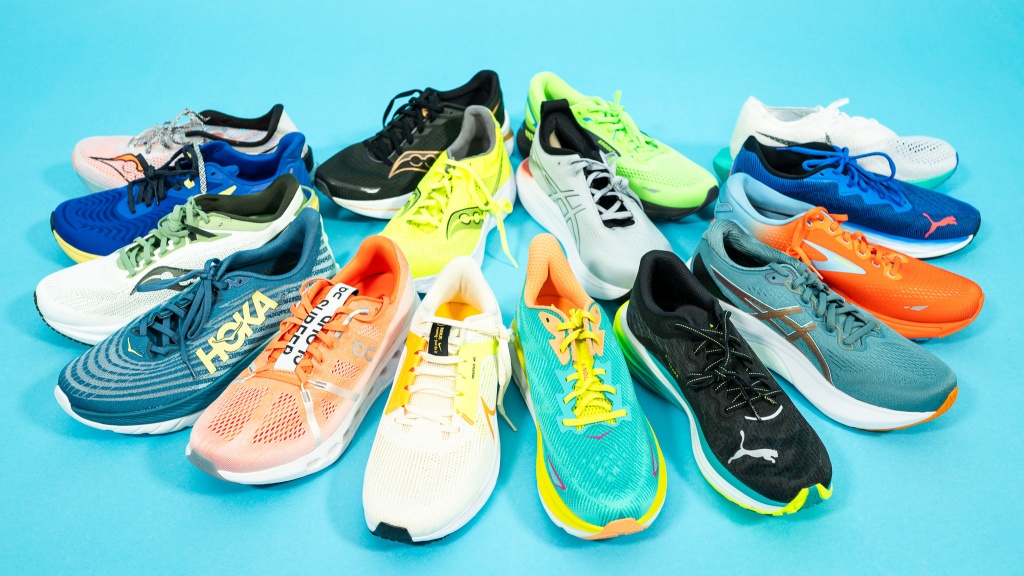
Your Ultimate Guide to Choosing the Perfect Pair of Shoes
Shoes are more than just foot coverings; they are an essential part of our daily lives, impacting our comfort, health, style, and even our performance. From the boardroom to the hiking trail, the right pair of shoes can make all the difference. But with an overwhelming array of options available, navigating the world of footwear can feel like a daunting task. This comprehensive buying guide is designed to equip you with the knowledge and confidence to select shoes that not only look great but also feel fantastic and serve their intended purpose.
Understanding Your Needs: The Foundation of Smart Shoe Shopping
Before you even begin browsing, the most crucial step is to honestly assess your needs. What will you be using these shoes for? This fundamental question will narrow down your choices significantly and prevent impulse buys that end up gathering dust in your closet.
Everyday Wear and Comfort
For daily activities, comfort is paramount. Think about your typical routine: are you on your feet all day at work, commuting long distances, or simply running errands? For prolonged standing or walking, prioritize shoes with excellent cushioning, arch support, and a breathable upper material. Look for features like padded insoles, flexible soles, and a secure but not constricting fit.
Athletic Performance and Specific Sports
If you're an athlete or engage in specific sports, your footwear needs are highly specialized. Different sports demand different types of support, cushioning, and traction. Running shoes, for instance, need to absorb impact and provide propulsion, while basketball shoes require ankle support and lateral stability. Hiking boots need to offer ankle support, grip, and protection from the elements. Always choose shoes designed for the specific activity you'll be participating in.
Work and Professional Environments
The workplace often dictates specific dress codes. For formal settings, classic leather dress shoes like Oxfords or loafers are standard. For more casual professional environments, stylish sneakers or comfortable loafers can be appropriate. Consider the materials, color, and overall silhouette to ensure they align with your company's dress policy and your personal professional image. Comfort is still important, especially if you're on your feet during your workday.
Fashion and Style
Shoes are a powerful style statement. Whether you're aiming for a trendy, classic, or edgy look, your footwear plays a vital role. Consider the overall aesthetic you want to achieve and how the shoes will complement your existing wardrobe. Think about the occasion: are these for a casual outing, a formal event, or a night out?
Key Features to Consider When Buying Shoes
Once you've identified your needs, it's time to delve into the specifics of shoe construction and features. Understanding these elements will help you make informed decisions and identify quality footwear.
Material Matters: Durability, Breathability, and Aesthetics
The material of a shoe significantly impacts its performance, comfort, and longevity. Each material has its pros and cons:
- Leather: A classic choice, leather offers durability, breathability, and a sophisticated look. Full-grain leather is the highest quality, becoming more comfortable and developing a patina with age. Suede and nubuck offer a softer, more casual feel but require more careful maintenance.
- Synthetics: Many modern shoes utilize synthetic materials like mesh, nylon, and engineered knits. These are often lightweight, breathable, and can be more affordable. They are excellent for athletic shoes where flexibility and ventilation are key.
- Canvas: A popular choice for casual shoes like sneakers and espadrilles, canvas is lightweight, breathable, and easy to clean. It's generally less durable than leather but offers a relaxed aesthetic.
- Rubber: Primarily used for outsoles, rubber provides grip, durability, and shock absorption. The type of rubber compound can influence its flexibility and traction.
Fit and Sizing: The Non-Negotiable Element
Ill-fitting shoes can lead to discomfort, pain, and even long-term foot problems. Proper fit is absolutely essential. Here's how to ensure a good fit:
- Measure Your Feet: Your foot size can change over time, so it's wise to measure both feet at the end of the day when they are at their largest.
- Consider Width: Shoes come in various widths (narrow, regular, wide, extra-wide). If a shoe feels too tight on the sides, it might be too narrow.
- Toe Box Room: There should be about a thumb's width of space between your longest toe and the front of the shoe. Your toes should have room to wiggle freely.
- Heel Fit: Your heel should feel secure and not slip excessively when you walk.
- Arch Support: Pay attention to how the shoe supports your arch. If you have high arches or flat feet, you might need specific types of support or consider insoles.
- Try Before You Buy: Always try on shoes before purchasing, preferably with the type of socks you intend to wear with them. Walk around the store to assess comfort and fit.
Sole Construction: Traction, Cushioning, and Flexibility
The sole of a shoe is its foundation, providing support, grip, and shock absorption. Different sole constructions cater to different needs:
- Outsole: This is the bottom-most layer that contacts the ground. It's crucial for traction and durability. Look for patterns and materials that offer appropriate grip for your intended use.
- Midsole: Located between the outsole and the insole, the midsole provides cushioning and shock absorption. Materials like EVA (ethylene-vinyl acetate) and polyurethane are common.
- Insole: The innermost layer that your foot rests on. Some insoles are removable and can be replaced with custom orthotics. Look for cushioning and support that suits your foot type.
- Flexibility: The shoe should bend naturally at the ball of your foot. A shoe that is too stiff or too flexible in the wrong places can affect your gait and comfort.
Closure Systems: Laces, Zippers, Straps, and Slip-Ons
The way a shoe closes affects its fit, adjustability, and ease of use:
- Laces: Offer the most adjustability for a secure and personalized fit. Different lacing techniques can also alter the pressure points.
- Zippers: Convenient for quick on and off, often found on boots and some casual shoes. Ensure the zipper is sturdy and smooth.
- Straps (Velcro or Buckle): Provide adjustable support and are easy to use, especially for children or individuals with dexterity issues.
- Slip-Ons: Offer maximum convenience but may not provide the same level of security or adjustability as laced shoes.
Types of Shoes and Their Applications
The world of shoes is vast, with specialized designs for virtually every activity and occasion. Understanding these categories can help you pinpoint the right footwear for your needs.
Athletic Shoes
This broad category encompasses footwear designed for sports and physical activities:
- Running Shoes: Designed for shock absorption, cushioning, and propulsion. They come in various types for different running styles (neutral, stability, motion control) and terrains (road, trail).
- Training Shoes: Versatile for gym workouts, cross-training, and weightlifting. They offer a balance of cushioning, stability, and flexibility.
- Basketball Shoes: Provide high ankle support, cushioning for jumps, and excellent traction for quick movements.
- Tennis Shoes: Offer lateral support for side-to-side movements and good traction on court surfaces.
- Hiking Boots: Built for rugged terrain, offering ankle support, waterproofing, and aggressive outsoles for grip.
- Walking Shoes: Prioritize comfort, cushioning, and flexibility for everyday walking and longer strolls.
Casual Shoes
These are your go-to shoes for everyday wear and relaxed settings:
- Sneakers: A timeless classic, ranging from sporty designs to fashion-forward styles.
- Loafers: Slip-on shoes that are versatile for smart-casual and business-casual wear.
- Boat Shoes: Originally designed for sailors, they offer a relaxed, nautical vibe and good grip on wet surfaces.
- Moccasins: Soft, comfortable slip-on shoes often made from suede or leather, ideal for casual comfort.
- Espadrilles: Lightweight shoes with a canvas or cotton upper and a jute rope sole, perfect for warm weather.
Dress Shoes
These are typically worn for formal occasions, business settings, and when a polished look is required:
- Oxfords: Characterized by their closed lacing system, Oxfords are the epitome of formal footwear.
- Derbies: Feature an open lacing system, making them slightly less formal than Oxfords but still suitable for business attire.
- Monk Straps: Distinguished by their buckle and strap closure, offering a stylish alternative to laced dress shoes.
- Chukka Boots: Ankle-high boots with typically two or three eyelets, offering a smart-casual to semi-formal option.
Boots
Boots offer protection, warmth, and style, with a wide variety of designs:
- Ankle Boots: Versatile for both casual and dressy occasions, coming in various materials and heel heights.
- Chelsea Boots: Characterized by their elastic side panels, offering a sleek and easy-to-wear option.
- Combat Boots: Durable and rugged, often with a lace-up front and a sturdy sole.
- Winter Boots: Designed for warmth and protection against snow and ice, often waterproof and insulated.
Caring for Your Shoes: Extending Their Lifespan
Investing in quality shoes means taking care of them to ensure they last and continue to look their best. Proper maintenance is key:
- Clean Regularly: Wipe down your shoes after each wear to remove dirt and debris. Use appropriate cleaning products for the material.
- Dry Properly: Never dry wet shoes near a direct heat source, as this can damage the materials. Stuff them with newspaper to absorb moisture and help them retain their shape.
- Use Shoe Trees: Cedar shoe trees help absorb moisture and odors, and they maintain the shoe's shape, preventing creasing.
- Rotate Your Footwear: Avoid wearing the same pair of shoes every day. Allowing shoes to air out and recover between wears will extend their lifespan.
- Protect and Polish: For leather shoes, use a good quality polish and protectant to keep them supple and waterproof. Suede and nubuck require specialized brushes and protectants.
Making the Final Decision
Choosing the right shoes is a personal journey. By understanding your needs, the key features of footwear, and the various types available, you can confidently navigate the world of shoes and find pairs that will serve you well, both in terms of comfort and style, for years to come. Remember to prioritize fit above all else, and don't be afraid to invest in quality – your feet will thank you for it.