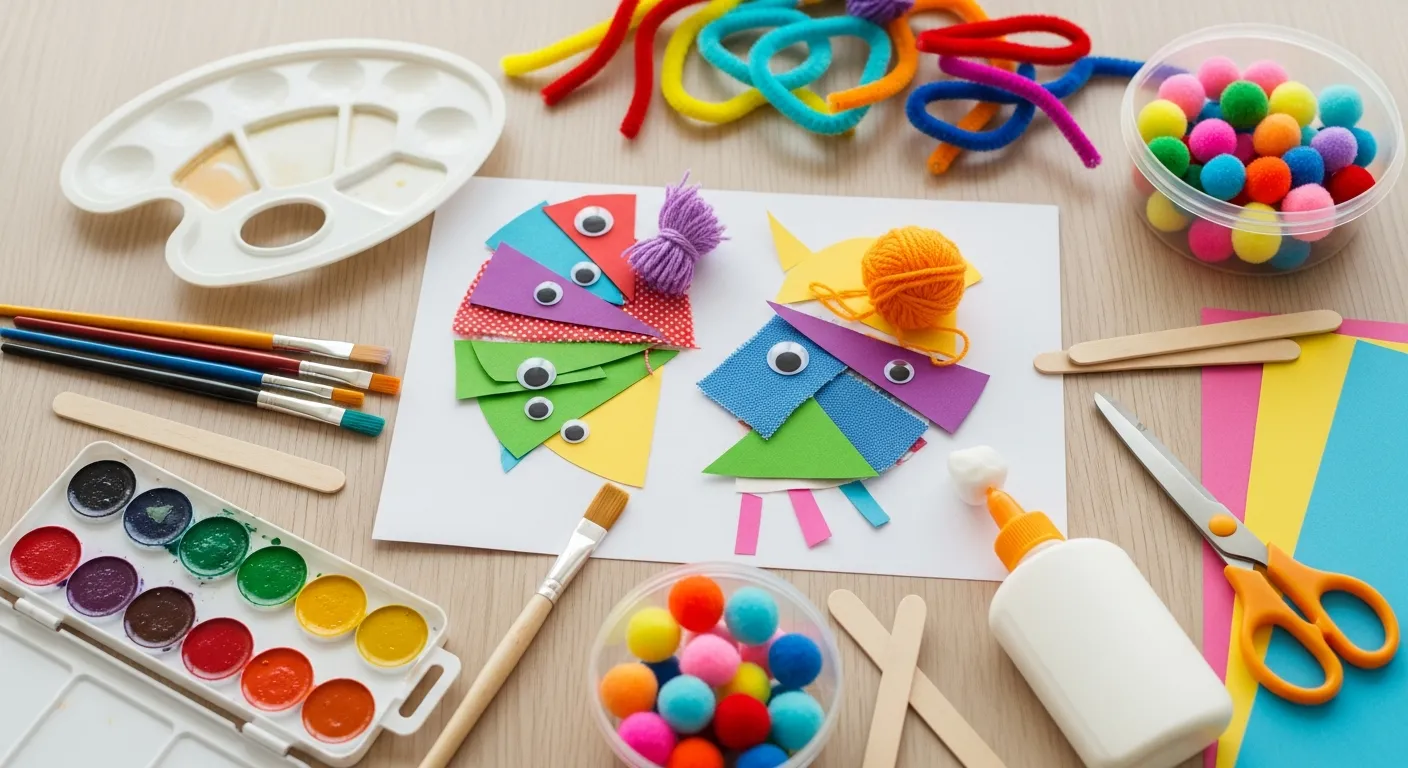
The Ultimate Art & Crafts Buying Guide: Unleash Your Inner Creator
The world of art and crafts is a vibrant tapestry woven with imagination, skill, and a dash of delightful mess. Whether you're a seasoned artist looking to expand your toolkit, a curious beginner eager to explore a new hobby, or a parent seeking creative outlets for your children, navigating the vast landscape of art and craft supplies can feel overwhelming. This comprehensive buying guide is designed to demystify the process, equipping you with the knowledge to make informed choices and embark on your creative journey with confidence.
From the foundational elements of drawing and painting to the intricate joys of crafting and sculpting, we'll delve into the essential supplies, considerations, and tips to help you find the perfect materials for your artistic aspirations. Get ready to discover the tools that will transform your ideas into tangible masterpieces.
Understanding Your Creative Needs: What Do You Want to Make?
Before diving into specific product categories, the most crucial step is to identify your artistic goals. Are you drawn to the expressive freedom of painting, the precise detail of drawing, the tactile satisfaction of sculpting, or the playful construction of crafts? Your intended projects will dictate the types of materials you'll need.
Drawing & Sketching
Drawing is often the gateway to artistic expression. The fundamental tools are relatively simple, but the range of options can be surprisingly diverse.
- Pencils: Beyond the standard HB, pencils come in a spectrum of hardness and softness (H for hard, B for black/soft). H pencils are great for light sketching and technical drawing, while B pencils excel at shading and creating rich tones.
- Charcoal: Offers a deep, velvety black and is ideal for expressive portraits and dramatic contrasts. Available in sticks, pencils, and compressed forms.
- Pens: From fine-liner technical pens for precise lines to brush pens for calligraphic strokes and ink washes, pens offer a variety of mark-making possibilities.
- Paper: The weight and texture of paper significantly impact your drawing. Sketchpads are generally lighter and less expensive, suitable for practice. Bristol board is smooth and thick, perfect for detailed ink work. Textured papers can add visual interest to charcoal and pastel drawings.
- Erasers: Kneaded erasers are pliable and can be molded to lift graphite and charcoal gently. Standard rubber erasers are effective for more forceful corrections. Electric erasers offer precision for detailed work.
Painting
Painting offers a world of color and texture. The medium you choose will influence your technique, drying time, and the overall feel of your artwork.
- Watercolors: Known for their transparency and luminous qualities. They are water-soluble, making cleanup easy.
- Pans: Compact cakes of pigment that are activated with water. Great for portability and beginners.
- Tubes: Offer a more concentrated pigment and are ideal for mixing larger washes and vibrant colors.
- Acrylics: Versatile, fast-drying, and water-soluble when wet, becoming permanent when dry. They can be used opaquely or thinned to mimic watercolors. Excellent for layering and mixed media.
- Oils: Offer a rich, luminous finish and a long working time, allowing for blending and subtle transitions. They require solvents for cleanup and can have a longer drying period.
- Brushes: The type of brush (synthetic vs. natural hair) and its shape (round, flat, filbert) will affect your brushstrokes. Consider the medium you're using when selecting brushes.
- Surfaces: Canvas (stretched or boards), watercolor paper, and wood panels are common painting surfaces. Ensure your surface is prepared for the chosen medium.
Sculpting & Modeling
Working in three dimensions offers a tactile and immersive creative experience.
- Clay:
- Air-Dry Clay: Dries hard at room temperature, no kiln required. Great for beginners and decorative items.
- Polymer Clay: Cures in a home oven, offering a durable and vibrant finish. Excellent for detailed figurines, jewelry, and mixed media.
- Ceramic Clay: Requires firing in a kiln for permanent hardening. Offers a traditional and versatile sculpting medium.
- Modeling Tools: A variety of spatulas, sculpting tools, and loop tools are essential for shaping, carving, and adding detail.
- Armatures: For larger sculptures, an armature (internal support structure) made of wire or foil is often necessary.
Crafting & Mixed Media
This broad category encompasses a multitude of techniques, from paper crafts and textiles to assemblage and collage.
- Adhesives: Glues, tapes, and spray adhesives are fundamental for joining materials. The type of adhesive needed will depend on the weight and texture of your components.
- Cutting Tools: Scissors, craft knives, rotary cutters, and paper trimmers are essential for precise cutting.
- Paper & Cardstock: A vast array of colors, textures, and weights are available for scrapbooking, card making, origami, and more.
- Fabric & Thread: For sewing, embroidery, quilting, and textile art, you'll need various fabrics, threads, needles, and sewing machines.
- Embellishments: Beads, sequins, glitter, buttons, ribbons, and found objects add dimension and personality to crafts.
- Mixed Media Supplies: This can include anything from inks, stamps, stencils, and texture pastes to ephemera, photographs, and found objects, all used to create layered and complex artworks.
Essential Considerations When Buying Art & Craft Supplies
Beyond identifying your creative needs, several factors should influence your purchasing decisions to ensure you get the best value and experience.
Quality vs. Price: Finding the Right Balance
This is a perennial question for artists and crafters. Generally, higher-quality supplies offer better performance, durability, and pigment richness. However, for beginners or those experimenting with new techniques, starting with student-grade or mid-range materials can be more economical. As you develop your skills and preferences, you can invest in professional-grade supplies.
- Student-grade: Often more affordable, with less pigment concentration and fewer color options. Suitable for practice and learning.
- Artist-grade: Higher pigment load, better lightfastness (resistance to fading), and a wider range of colors. Ideal for finished artworks.
Intended Use and Durability
Consider how you intend to use your creations. If you're making pieces for sale or exhibition, lightfastness and archival quality become paramount. For personal projects or gifts, these factors may be less critical. Similarly, the intended display environment (e.g., direct sunlight) can influence your choice of materials.
Safety and Non-Toxicity
Especially when working with children or in shared spaces, prioritizing non-toxic and low-VOC (volatile organic compound) materials is crucial. Many art supply manufacturers clearly label their products as non-toxic, particularly for children's art supplies.
Storage and Organization
As your collection of supplies grows, effective storage becomes essential. Consider how you will organize your materials to keep them accessible and protected. This might involve investing in storage containers, art bins, easels, or specialized organizers for brushes, pencils, or craft tools.
Brand Reputation and Reviews
Reputable art supply brands often have a long history of producing quality products. Reading reviews from other artists and crafters can provide valuable insights into the performance and reliability of specific items.
Tips for Smart Art & Craft Supply Shopping
Make your shopping experience more efficient and enjoyable with these practical tips:
- Start with a Wishlist: Before you head to the store or browse online, make a list of the specific items you need based on your current projects or desired techniques.
- Buy in Sets (Initially): For some mediums, starter sets can be a cost-effective way to acquire a range of colors or tools. However, be mindful that individual tubes or higher-quality individual items might be a better investment as you progress.
- Don't Be Afraid to Experiment: While it's good to have a plan, don't shy away from trying new materials or brands. Sometimes, unexpected discoveries can lead to exciting new creative avenues.
- Look for Sales and Discounts (Strategically): While this guide focuses on editorial content, it's worth noting that art supply stores often have sales. If you know you'll need a particular item, keeping an eye out for promotions can help you save money.
- Consider Second-Hand Options: For some items, like easels or certain crafting tools, you might find excellent deals on the second-hand market.
- Join Online Communities: Art and craft forums and social media groups are fantastic resources for recommendations, reviews, and inspiration.
- Invest in Quality Basics: For frequently used items like sketchpads, a good set of brushes, or reliable adhesives, investing in higher quality from the outset can save you frustration and money in the long run.
Beyond the Basics: Specialized Tools and Techniques
Once you've mastered the fundamentals, you might want to explore more specialized tools and techniques:
Printmaking
This involves creating multiple copies of an artwork. Supplies can include linoleum blocks, carving tools, printing inks, and specialized papers.
Calligraphy & Hand Lettering
Requires specific nibs, inks, and smooth papers for elegant script.
Bookbinding
Involves tools for folding, cutting, sewing, and binding paper to create journals and books.
Jewelry Making
This can range from simple bead stringing to intricate metalworking, requiring pliers, wire, findings, and specialized tools.
Digital Art Tools
For those embracing the digital realm, consider drawing tablets, styluses, and art software.
Conclusion: Your Creative Journey Awaits
The world of art and crafts is an ever-expanding universe of possibilities. By understanding your creative needs, considering key purchasing factors, and employing smart shopping strategies, you can build a well-equipped studio that nurtures your imagination and supports your artistic growth. Don't be intimidated by the sheer volume of options; instead, see it as an invitation to explore, experiment, and discover the joy of creating. Happy crafting!