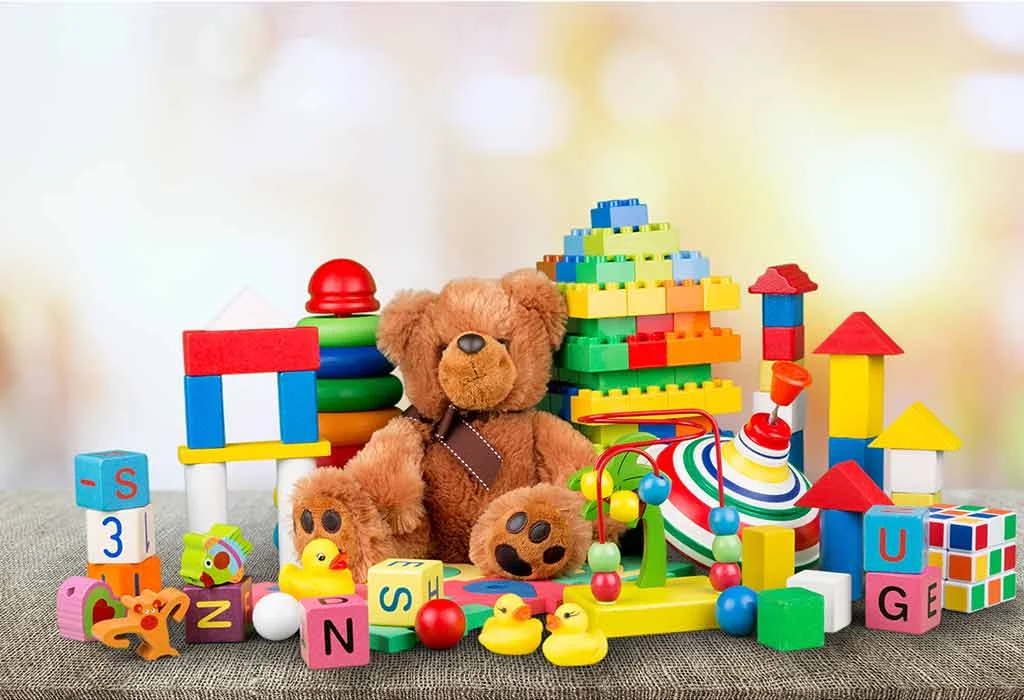
Wooden Toys vs. Plastic Toys: A Comprehensive Comparison for Conscious Consumers
The world of toys is vast and varied, offering children a universe of imagination, learning, and fun. As parents and caregivers, we often find ourselves navigating a sea of options, trying to make the best choices for our little ones. Two of the most prevalent materials in the toy industry are wood and plastic. While both have their place, understanding their distinct characteristics can significantly influence purchasing decisions, impacting everything from a child's development to environmental sustainability. This comprehensive comparison delves into the pros and cons of wooden toys versus plastic toys, empowering you to make informed choices that align with your values and your child's needs.
The Enduring Appeal of Wooden Toys
Wooden toys have graced nurseries and playrooms for generations, embodying a timeless charm and a connection to nature. Their popularity has seen a resurgence in recent years, as parents increasingly seek out alternatives that offer a different sensory experience and a more sustainable footprint.
Durability and Longevity
One of the most significant advantages of wooden toys is their exceptional durability. Unlike many plastic toys that can crack, break, or become brittle over time, well-made wooden toys can withstand years of rigorous play. They are less prone to snapping or shattering, making them a safer choice for younger children who may still be prone to putting toys in their mouths or dropping them. This longevity also means that wooden toys can be passed down through siblings or even to future generations, becoming cherished heirlooms rather than disposable items.
Sensory Experience and Development
The tactile nature of wood offers a unique sensory experience that plastic cannot replicate. The weight, texture, and natural grain of wood engage a child's senses in a more profound way. This can be particularly beneficial for early childhood development, fostering a deeper connection with the physical world. Holding a smooth wooden block, feeling the subtle variations in its surface, and even smelling the natural scent of the wood can stimulate cognitive development and enhance fine motor skills as children manipulate and stack these objects. The inherent simplicity of many wooden toys also encourages open-ended play, allowing children to use their imagination to assign roles and functions to each piece.
Environmental Friendliness and Sustainability
In an era of growing environmental awareness, the sustainability of wooden toys is a major draw. Wood is a renewable resource, and when sourced from responsibly managed forests, it has a significantly lower environmental impact compared to plastic, which is derived from fossil fuels. Many wooden toy manufacturers prioritize eco-friendly practices, using non-toxic paints and finishes. While the production of any toy has an environmental cost, the biodegradability and renewable nature of wood make it a more sustainable choice in the long run. This aligns with a growing desire among consumers to reduce their plastic consumption and support brands with a commitment to the planet.
Aesthetic Appeal and Simplicity
Wooden toys often possess a natural beauty and a minimalist aesthetic that appeals to both children and adults. Their understated elegance can create a calming and harmonious play environment, free from the overwhelming visual clutter that can sometimes accompany brightly colored plastic toys. This simplicity can encourage children to focus on the act of play itself, rather than being distracted by flashing lights and sounds often found in electronic plastic toys. The natural colors and textures of wood can also be more soothing and less stimulating for young children.
Potential Downsides of Wooden Toys
Despite their many advantages, wooden toys are not without their limitations. They can be more expensive upfront than their plastic counterparts, reflecting the cost of materials and craftsmanship. They are also generally heavier, which might be a consideration for very young children or for travel. Furthermore, while durable, wood can be susceptible to damage from excessive moisture or extreme temperatures, and some wooden toys may require more careful cleaning and maintenance than plastic ones.
The Ubiquitous Presence of Plastic Toys
Plastic toys have become a dominant force in the toy market, thanks to their affordability, versatility, and the ease with which they can be molded into virtually any shape and color. Their widespread availability and diverse range of features make them an accessible option for many families.
Affordability and Accessibility
Perhaps the most compelling advantage of plastic toys is their affordability. The mass production of plastic allows for lower manufacturing costs, making a wide variety of toys accessible to a broader range of consumers. This economic advantage means that families can often acquire more toys for their budget, offering a greater variety of play experiences. The widespread availability in countless retail outlets also makes them incredibly easy to find.
Versatility and Innovation
The malleability of plastic allows for an astonishing range of designs, from intricate action figures to complex building sets and electronic learning toys. This versatility enables manufacturers to create toys that are highly specialized, incorporating advanced features, lights, sounds, and interactive elements. Plastic also lends itself well to the creation of waterproof toys, ideal for bath time or outdoor play. The rapid pace of technological advancement means that plastic toys can often incorporate the latest trends and educational innovations.
Ease of Cleaning and Maintenance
Plastic toys are generally very easy to clean and maintain. Most can be wiped down with a damp cloth and mild soap, and many are even dishwasher safe, making them a hygienic choice, especially for households with young children who are prone to putting toys in their mouths. This ease of maintenance is a significant practical benefit for busy parents.
Lightweight and Portable
The lightweight nature of plastic makes these toys easy for children to handle and carry. This is particularly beneficial for younger children who may struggle with the weight of heavier wooden toys. Their lightness also makes them ideal for travel, packing into bags for outings or holidays without adding significant bulk.
Potential Downsides of Plastic Toys
The widespread use of plastic in toys also comes with significant drawbacks. The environmental impact of plastic production and disposal is a major concern. Many plastics are not biodegradable and can persist in the environment for hundreds of years, contributing to pollution and harming wildlife. The chemicals used in some plastics, such as BPA and phthalates, have also raised health concerns, although many manufacturers now offer BPA-free options. The durability of some plastic toys can also be an issue, with many breaking easily, leading to frustration for children and contributing to waste. The often loud and stimulating nature of some plastic toys can also be overstimulating for children and may detract from imaginative play.
Making the Right Choice: Factors to Consider
When deciding between wooden and plastic toys, it's helpful to consider a few key factors that will guide you towards the best options for your child and your family.
Age and Developmental Stage
For infants and toddlers, the sensory experience and safety of wooden toys can be particularly beneficial. Their simplicity encourages exploration and sensory engagement. As children grow, the versatility and complexity of plastic toys can offer new challenges and learning opportunities, particularly in areas like STEM education or creative building. However, even for older children, the grounding nature of wooden toys can still be valuable for fostering imaginative and open-ended play.
Safety Standards and Materials
Regardless of the material, always prioritize toys that meet current safety standards. Look for certifications like the CE mark (in Europe) or ASTM standards (in the US). When choosing wooden toys, ensure they are finished with non-toxic paints and sealants. For plastic toys, opt for BPA-free and phthalate-free options whenever possible. Researching the brand and their commitment to safety is crucial.
Durability and Longevity vs. Affordability
Consider your budget and how long you expect a toy to last. While wooden toys may have a higher initial cost, their durability can make them more cost-effective in the long run. If your budget is a primary concern, or if your child is prone to quickly outgrowing interests, plastic toys might offer a more accessible entry point. However, investing in a few high-quality, durable wooden toys can be a worthwhile consideration for their lasting value.
Environmental Impact and Sustainability Goals
If environmental sustainability is a priority for your family, wooden toys generally offer a more eco-friendly choice. Supporting brands that use sustainable forestry practices and eco-friendly finishes can further enhance this positive impact. While reducing plastic consumption is important, it's also worth considering the lifecycle of all toys, including their manufacturing, transport, and disposal.
Play Value and Encouraging Imagination
Think about the type of play you want to encourage. Simple, open-ended toys, often found in wooden form, are excellent for fostering creativity and imagination. These toys allow children to invent their own narratives and problem-solve. Plastic toys, especially those with specific functions or electronic components, can sometimes lead to more directed play. A balanced approach, incorporating both types of toys, can offer a rich and varied play experience.
Conclusion: A Balanced Approach for Playtime
Ultimately, the choice between wooden and plastic toys is not an either/or proposition. Both materials offer unique benefits and cater to different needs and preferences. Wooden toys provide a connection to nature, exceptional durability, and a rich sensory experience, fostering timeless play and sustainability. Plastic toys offer affordability, incredible versatility, and the ability to incorporate advanced features and educational elements. By understanding the strengths and weaknesses of each, and by prioritizing safety, quality, and your child's developmental needs, you can curate a toy collection that is both engaging and enriching. A balanced approach, incorporating the best of both worlds, allows children to explore, learn, and grow through a diverse and stimulating range of play experiences.