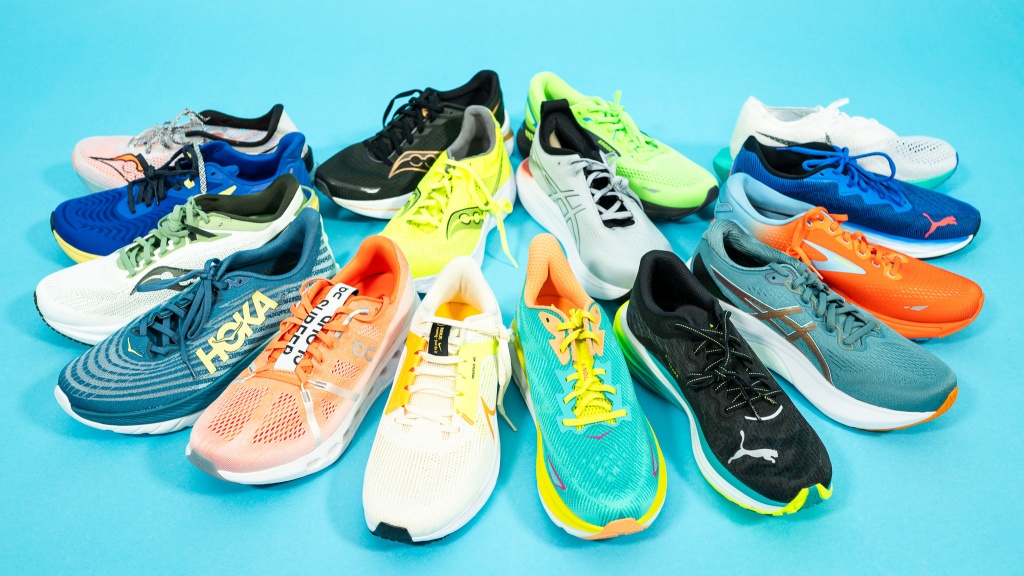
Running Shoes vs. Walking Shoes: Understanding the Critical Differences for Your Feet
When you walk into a shoe store, the rows of footwear can look remarkably similar. From the outside, a high-performance running shoe and a dedicated walking shoe might share the same mesh materials, laces, and branding. However, beneath the surface, these shoes are engineered for two fundamentally different biomechanical realities. Choosing the wrong pair doesn’t just lead to discomfort—it can increase your risk of injury over time.
Whether you are a casual stroller, a power walker, or a marathon runner, understanding the structural differences between these two categories is essential for maintaining foot health. In this guide, we break down the engineering behind the shoe to help you make an informed decision for your daily movement.
The Biomechanics of Movement: Why the Gait Cycle Matters
To understand why shoes are built differently, you must first understand how your feet move. The gait cycle—the pattern of movement your foot makes when traveling from point A to point B—differs significantly between walking and running.
When you walk, one foot is always in contact with the ground. Your heel strikes first, you roll through the arch, and you push off with your toes. The impact force is relatively low, typically measuring about 1 to 1.5 times your body weight. Because the movement is rhythmic and steady, your foot needs a shoe that supports a rolling motion.
When you run, you experience a "flight phase" where both feet are off the ground. When you land, the impact force can be three to four times your body weight. Because of this high-impact nature, the foot requires significantly more shock absorption and stability to prevent injury. If you try to run in walking shoes, your joints will bear the brunt of the impact; if you walk in highly specialized running shoes, you may find the design unnecessarily bulky or unstable.
Key Structural Differences Between Running and Walking Shoes
Manufacturers design these shoes with specific performance goals in mind. Here are the primary areas where they diverge:
1. Cushioning and Impact Absorption
Running shoes are designed with heavy emphasis on cushioning. Because of the high-impact nature of running, these shoes feature advanced foam technology in the heel and forefoot to absorb the shock of landing. This extra "bounce" helps protect your joints and tendons.
Walking shoes, by contrast, require less cushioning. Since the impact is lower, a shoe with excessive cushioning can actually be counterproductive, making the shoe feel "mushy" or unstable. Walking shoes are generally firmer, providing a more direct connection to the ground, which is ideal for the heel-to-toe roll.
2. Weight and Flexibility
Flexibility is perhaps the most significant differentiator. A running shoe is often designed to be stiffer in the midfoot to provide energy return during the stride. Conversely, a walking shoe needs to be highly flexible in the forefoot. Because the walking gait involves a longer period of time where the toes are bent and pushing off, the shoe must bend easily at the ball of the foot to avoid straining the arch.
In terms of weight, running shoes are engineered to be as light as possible to minimize fatigue over long distances. Walking shoes are often slightly heavier and sturdier, as they don’t need to meet the same weight-saving requirements of a high-speed runner.
3. The Heel-to-Toe Drop
The "drop" refers to the difference in height between the heel and the forefoot. Running shoes often have a higher heel drop to accommodate heel-strikers and provide extra cushioning for the landing phase. Walking shoes typically feature a lower heel drop, which encourages a more natural, flatter foot strike, aligning with the slower, more controlled pace of a walk.
Stability vs. Motion Control: Choosing the Right Support
Both walking and running shoes come in different categories based on your foot arch and pronation (how your foot rolls inward when you land). However, the way they provide this support differs.
- Neutral Shoes: Designed for those with normal arches who don't over-pronate. Both walking and running shoes offer neutral versions that provide cushioning without corrective features.
- Stability Shoes: If you have mild to moderate over-pronation, stability shoes provide a firmer medial post (the inner side of the shoe) to prevent the foot from rolling too far inward.
- Motion Control Shoes: These are for individuals with severe flat feet or heavy over-pronation. They feature a rigid structure and a wide base to keep the foot in a neutral position.
When choosing between walking and running models, ensure you identify your arch type first. A running shoe designed for stability will feel very different on the foot than a walking shoe designed for the same purpose.
When Can You Cross Over?
A common question is: "Can I wear my running shoes for walking?"
The short answer is yes, in many cases. Because running shoes are generally engineered with more advanced technology and higher-quality materials, many people find them perfectly comfortable for walking. If you have a pair of high-quality, neutral-cushioned running shoes, they will likely serve you well for daily walking or power walking.
However, the reverse is rarely true. You should avoid running in dedicated walking shoes. Walking shoes lack the advanced impact-absorption materials required to handle the high-force strikes of running. Using them for jogging can lead to shin splints, stress fractures, and knee pain.
How to Select the Right Pair for Your Needs
To ensure you make the right choice, consider the primary activity you intend to perform. If you are training for a 5K, prioritize running shoes. If your daily routine consists of walking the dog, commuting on foot, or light gym work, walking shoes or "crossover" athletic shoes are your best bet.
Tips for Fitting:
- Shop in the afternoon: Your feet naturally swell throughout the day. Trying on shoes in the afternoon ensures you get a fit that accommodates your feet at their largest.
- Check the toe box: Ensure there is about a half-inch of space between your longest toe and the front of the shoe. Your toes should be able to wiggle freely.
- Wear the right socks: Wear the same type of socks you plan to use for your activity. A thick wool hiking sock will change the fit significantly compared to a thin synthetic running sock.
- The "Thumb Test": Stand up in the shoes and press your thumb down. You should be able to press into the space between your toe and the end of the shoe without feeling like your toes are cramped.
Final Thoughts: Listen to Your Feet
Ultimately, the "best" shoe is the one that allows you to move pain-free. While the technical differences between running and walking shoes are important for preventing injury, personal comfort remains the final arbiter. If a pair of running shoes feels too bulky for your walks, try a lighter, more flexible walking shoe. If your walking shoes leave your joints aching after a brisk power-walk, consider upgrading to a running shoe with more cushioning.
By understanding the specific engineering requirements of your chosen activity, you can protect your feet, improve your performance, and ensure that every step you take is a comfortable one.