The Ultimate Buyer's Guide to Fitness Equipment for Every Goal and Budget
Embarking on a fitness journey is a commendable decision, and having the right equipment can significantly enhance your progress, motivation, and overall experience. Whether you're a seasoned athlete looking to upgrade your home gym or a complete beginner seeking to establish a consistent routine, navigating the vast world of fitness gear can be overwhelming. This comprehensive buyer's guide will demystify the process, helping you make informed choices that align with your specific fitness goals, available space, and budget. We'll explore a range of essential equipment, from foundational pieces to more specialized tools, ensuring you can build a personalized fitness sanctuary that supports your aspirations.
Understanding Your Fitness Goals: The Foundation of Your Equipment Choice
Before diving into specific equipment, it's crucial to clearly define what you want to achieve. Your goals will dictate the type of training you'll focus on, and consequently, the equipment that will best serve you. Consider the following:
Cardiovascular Health and Endurance
If your primary aim is to improve your heart health, increase stamina, and burn calories, cardiovascular exercise will be your focus. This includes activities that elevate your heart rate and keep it elevated for sustained periods.
Strength Training and Muscle Building
For those looking to increase muscle mass, improve strength, and boost metabolism, strength training is key. This involves challenging your muscles with resistance to stimulate growth and adaptation.
Flexibility, Mobility, and Injury Prevention
A well-rounded fitness routine also incorporates elements of flexibility and mobility. This is vital for improving range of motion, reducing the risk of injury, and enhancing overall physical function.
Weight Management
Whether your goal is to lose weight, maintain a healthy weight, or gain muscle mass, a combination of cardiovascular exercise and strength training, along with a balanced diet, is generally recommended. The equipment you choose will support these training modalities.
Essential Fitness Equipment Categories
Once your goals are clear, you can start exploring the equipment that will help you achieve them. We'll break down the essential categories:
Cardiovascular Equipment: Elevate Your Heart Rate
Cardio machines are designed to provide a vigorous workout that strengthens your heart and lungs, improves circulation, and burns calories. The best choice depends on your preferences, space, and budget.
Treadmills
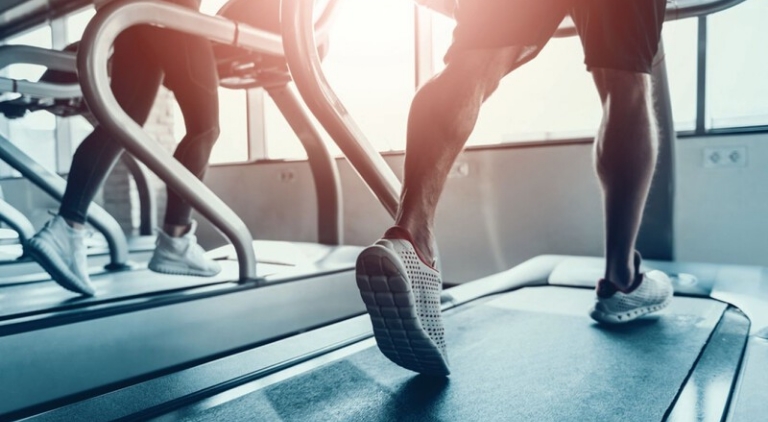
Treadmills are arguably the most popular piece of cardio equipment. They offer a versatile platform for walking, jogging, and running, allowing you to control speed and incline for varied intensity. Look for features like:
- Motor Power: A continuous duty horsepower (CHP) of at least 2.5 is recommended for most users. Higher CHP offers smoother operation and greater durability.
- Cushioning System: Good cushioning reduces impact on your joints, which is crucial for preventing injuries.
- Running Surface Size: A wider and longer belt provides more comfort and freedom of movement, especially for taller individuals or those who run with a longer stride.
- Incline and Speed Options: A good range of incline and speed settings allows for progressive training and varied workouts.
- Display Console: Features like pre-programmed workouts, heart rate monitoring, and calorie tracking can enhance your training experience.
Ellipticals
Elliptical trainers provide a low-impact, full-body workout. They mimic the motion of running but without the jarring impact on your knees and ankles. They engage both your upper and lower body, making them efficient for calorie burning. Key considerations include:
- Stride Length: A longer stride length generally feels more natural and allows for a greater range of motion.
- Resistance Levels: A variety of resistance levels ensures you can challenge yourself as you progress.
- Incline Options: Some ellipticals offer adjustable inclines, which can further target different muscle groups.
- Moving Handles: These allow for an upper-body workout, increasing calorie expenditure and engaging more muscles.
Stationary Bikes
Stationary bikes are excellent for cardiovascular fitness and are particularly good for individuals with joint issues. They offer a comfortable and controlled cycling experience. Types include:
- Upright Bikes: Mimic the riding position of a standard road bike.
- Recumbent Bikes: Feature a larger seat with back support, making them ideal for those who need extra comfort or have back concerns.
- Spin Bikes: Designed for high-intensity indoor cycling classes, offering a more dynamic and challenging workout.
When choosing a stationary bike, consider seat comfort, adjustability, resistance mechanisms (magnetic resistance is generally smoother and quieter), and console features.
Rowing Machines
Rowing machines offer a fantastic full-body workout, engaging up to 85% of your muscles. They provide an excellent cardiovascular challenge while building strength in your back, legs, and arms. Different resistance types exist:
- Water Rowers: Offer a natural, smooth resistance that increases with your rowing intensity. They also provide a satisfying sound.
- Air Rowers: Use a fan to create resistance, which also increases with intensity. They are often more durable and can be louder.
- Magnetic Rowers: Use magnets to create resistance, offering a quiet and smooth operation with adjustable resistance levels.
Consider the machine's footprint for storage, the monitor's features, and the overall build quality.
Strength Training Equipment: Build Muscle and Power
Strength training is crucial for building lean muscle mass, increasing metabolism, improving bone density, and enhancing overall functional strength. The right equipment can make a significant difference in your progress.
Dumbbells
Dumbbells are incredibly versatile and a staple in any home gym. They allow for a wide range of exercises targeting virtually every muscle group. Consider:
- Fixed Weight Dumbbells: Come in pre-set weights and are generally more durable and easier to grip.
- Adjustable Dumbbells: Allow you to change the weight by adding or removing plates, saving space and offering a wide weight range.
Start with a set of lighter weights for exercises like bicep curls and shoulder presses, and a few heavier pairs for squats, lunges, and deadlifts. A good starting range might be 5 lbs to 50 lbs, depending on your current strength.
Kettlebells
Kettlebells are unique in their design, with a handle extending from a cast-iron ball. They are excellent for dynamic, compound movements that build strength, power, and cardiovascular endurance simultaneously. Popular exercises include swings, cleans, and snatches.
- Weight Selection: Start with a weight that allows you to perform the basic kettlebell swing with good form. For men, 16-24 kg (35-53 lbs) is a common starting point, and for women, 8-12 kg (18-26 lbs).
- Handle Diameter: Ensure the handle is comfortable for your grip, especially for two-handed movements.
Resistance Bands
Resistance bands are an affordable, portable, and versatile option for strength training. They come in various resistance levels and can be used for a wide array of exercises, from bodyweight modifications to adding resistance to traditional movements. They are excellent for:
- Warm-ups and Cool-downs: Gentle movements to prepare muscles or aid recovery.
- Adding Resistance: Increasing the challenge of exercises like squats, lunges, and push-ups.
- Rehabilitation: Gentle resistance for recovering from injuries.
- Travel: Lightweight and easy to pack for workouts on the go.
Look for sets that include multiple bands with varying resistance levels.
Barbells and Weight Plates
For serious strength training and powerlifting, a barbell and a set of weight plates are essential. This allows for progressive overload with heavier lifts like squats, deadlifts, bench presses, and overhead presses.
- Barbell Type: Standard barbells are common, while Olympic barbells are thicker and designed for heavier lifting.
- Weight Plates: Available in various materials (iron, bumper plates for dropping) and weights. You'll need a good range to accommodate progression.
- Collars: Essential for securing weight plates to the barbell.
Weight Machines
Weight machines offer guided movements, which can be beneficial for beginners or those focusing on specific muscle groups. They often provide a safer way to lift heavier weights due to their controlled path of motion.
- Selectorized Machines: Use a pin to select the desired weight.
- Plate-Loaded Machines: Require you to load weight plates onto the machine.
While machines can be effective, they often engage fewer stabilizing muscles compared to free weights. A balanced approach incorporating both is often ideal.
Flexibility, Mobility, and Recovery Equipment: Enhance Your Movement and Aid Recovery
Don't underestimate the importance of flexibility, mobility, and recovery. These aspects are crucial for preventing injuries, improving performance, and ensuring you can train consistently.
Yoga Mats
A good yoga mat provides cushioning and grip for various exercises, including yoga, Pilates, and floor exercises. Look for a mat that is:
- Thick Enough: Provides adequate cushioning for your joints.
- Non-Slip: Offers a secure grip to prevent slipping during dynamic movements.
- Durable: Can withstand regular use.
Foam Rollers
Foam rollers are a popular tool for self-myofascial release (SMR), helping to alleviate muscle soreness, improve flexibility, and increase range of motion. They work by applying pressure to tight muscles. Different types exist:
- Smooth Foam Rollers: Offer a gentler massage.
- Textured/Deep Tissue Foam Rollers: Have knobs or ridges to target deeper muscle knots.
Massage Balls
Smaller than foam rollers, massage balls (like lacrosse balls or specialized massage balls) are excellent for targeting specific trigger points and smaller muscle groups, such as the feet, shoulders, and hips.
Home Gym Essentials: Maximizing Your Space and Versatility
If you're creating a dedicated home gym space, consider how you can maximize your equipment's utility and your available area.
Adjustable Benches
An adjustable weight bench is a game-changer for strength training. It allows you to perform a wider variety of exercises, including incline presses, decline presses, and seated exercises. Look for benches that are:
- Sturdy: Can safely support your body weight and the weights you're lifting.
- Adjustable: Offers multiple incline and decline settings.
- Comfortable Padding: For prolonged use.
Pull-Up Bars
A pull-up bar is a fantastic tool for building upper body strength, particularly in your back, biceps, and shoulders. Options include:
- Doorway Pull-Up Bars: Easy to install and remove, great for smaller spaces.
- Wall-Mounted Pull-Up Bars: More stable and can often support a wider range of grip positions.
- Power Tower: A freestanding unit that typically includes a pull-up bar, dip station, and sometimes leg raise stations, offering a comprehensive workout.
Suspension Trainers (e.g., TRX)
Suspension trainers use your body weight and gravity to create resistance. They are incredibly versatile, portable, and can be anchored to a door, wall, or ceiling. They are excellent for developing core strength, stability, and muscular endurance.
Factors to Consider When Buying Fitness Equipment
Beyond the type of equipment, several other factors will influence your purchasing decisions:
Budget
Fitness equipment can range from very affordable to a significant investment. Determine your budget upfront and prioritize the pieces that will have the most impact on your fitness goals. Remember that investing in quality can often mean better durability and a longer lifespan.
Space Availability
Measure your available space carefully. Some equipment, like treadmills and multi-gyms, can take up considerable room. Consider foldable options or more compact alternatives if space is limited. Think about storage as well.
Durability and Quality
Opt for equipment that is built to last. Read reviews, research brands, and look for sturdy construction, quality materials, and good warranties. Higher-quality equipment is often safer and more enjoyable to use.
Ease of Use and Assembly
Consider how easy the equipment is to set up and use. Complex assembly can be frustrating, and difficult-to-use machines can deter you from working out. Look for intuitive designs and clear instructions.
Your Current Fitness Level
Be realistic about your current fitness level. Don't buy equipment that is too advanced for you, as this can lead to frustration and injury. It's better to start with more basic equipment and progress as you get fitter.
Conclusion: Invest in Your Health and Well-being
Choosing the right fitness equipment is an investment in your health, energy, and overall well-being. By understanding your fitness goals, exploring the various equipment options, and considering practical factors like budget and space, you can create a home fitness environment that empowers you to reach your full potential. Remember that consistency is key, and the best equipment is the equipment you'll actually use. Happy training!