The Ultimate Fitness Equipment Buying Guide: Equip Your Home Gym for Success
Embarking on a fitness journey or looking to elevate your existing routine often starts with the right equipment. Whether you're a seasoned athlete or a complete beginner, investing in quality fitness gear can significantly enhance your workouts, boost motivation, and help you achieve your health and wellness goals. However, with a seemingly endless array of options available, navigating the fitness equipment market can feel overwhelming. This comprehensive buying guide is designed to simplify the process, offering insights and recommendations to help you make informed decisions and build a home gym that perfectly suits your needs, space, and budget.
Understanding Your Fitness Goals: The Foundation of Your Equipment Choices
Before you even start browsing, the most crucial step is to honestly assess your fitness aspirations. What do you want to achieve? Your goals will dictate the type of equipment that will be most beneficial. Consider the following:
Cardiovascular Health and Endurance
If your primary aim is to improve your heart health, burn calories, and build stamina, you'll want to focus on cardio equipment. This could include:
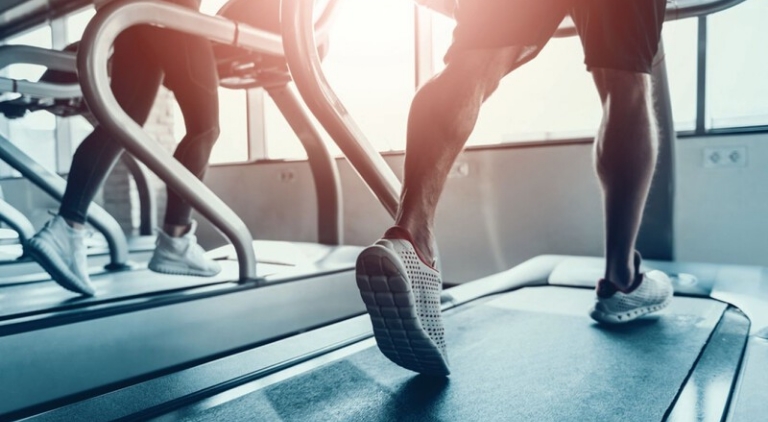
- Running and Walking: Treadmills offer a controlled environment for running and walking, often with incline and speed adjustments.
- Cycling: Stationary bikes (upright, recumbent, or spin bikes) provide a low-impact cardiovascular workout.
- Rowing: Rowing machines engage a wide range of muscle groups while delivering an excellent cardio challenge.
- Elliptical Trainers: These machines offer a low-impact, full-body workout that mimics running without the joint stress.
- Stair Climbers: Excellent for building leg strength and cardiovascular endurance, simulating climbing stairs.
Strength Training and Muscle Building
For those focused on increasing muscle mass, improving strength, and boosting metabolism, strength training equipment is essential. Options range from free weights to sophisticated machines:
- Dumbbells and Kettlebells: Versatile for a wide range of exercises, from bicep curls to squats and lunges.
- Barbells and Weight Plates: Ideal for compound lifts like squats, deadlifts, and bench presses, allowing for progressive overload.
- Resistance Bands: A portable and affordable option for adding resistance to bodyweight exercises and for rehabilitation.
- Weight Machines: Offer guided movements and are excellent for isolating specific muscle groups, often found in commercial gyms but also available for home use.
- Pull-up Bars: Essential for back and bicep development.
Flexibility, Mobility, and Mind-Body Connection
If your goals involve improving flexibility, enhancing mobility, reducing stress, and promoting a sense of well-being, consider equipment that supports these areas:
- Yoga Mats: Provide cushioning and grip for yoga, Pilates, and stretching exercises.
- Foam Rollers: Aid in muscle recovery, reduce soreness, and improve flexibility through self-myofascial release.
- Pilates Rings and Balls: Enhance core strength, stability, and flexibility.
- Stretching Straps: Assist in deepening stretches and improving range of motion.
High-Intensity Interval Training (HIIT) and Functional Fitness
For those who prefer short, intense bursts of exercise or want to improve everyday functional movements, consider equipment that facilitates dynamic and varied workouts:
- Kettlebells: Excellent for explosive movements like swings and cleans.
- Jump Ropes: A classic and highly effective tool for cardio and coordination.
- Battle Ropes: Provide a challenging full-body workout that improves power and endurance.
- Medicine Balls: Used for a variety of explosive and core-strengthening exercises.
- Suspension Trainers (e.g., TRX): Utilize bodyweight and gravity for a versatile and challenging workout that improves strength, balance, and core stability.
Assessing Your Space and Budget: Practical Considerations
Once you have a clear understanding of your fitness goals, it's time to get realistic about your environment and financial limitations. These factors will significantly influence your equipment choices.
Space Constraints
The size of your workout area is a primary determinant of what you can accommodate. Measure your available space carefully, considering not just the footprint of the equipment but also the clearance needed for safe and effective use.
- Compact and Foldable Equipment: If space is at a premium, look for treadmills, bikes, or benches that fold away, or opt for smaller, more portable items like resistance bands, dumbbells, and kettlebells.
- Multi-functional Equipment: Consider pieces that serve multiple purposes, such as adjustable dumbbells or a squat rack that can also be used for bench presses and pull-ups.
- Vertical Storage: Utilize wall-mounted racks for weights or mats to maximize floor space.
Budget Allocation
Fitness equipment can range from budget-friendly essentials to significant investments. Determine how much you're willing to spend and prioritize your purchases accordingly.
- Start with Essentials: For a limited budget, begin with versatile items like a set of dumbbells, resistance bands, and a good quality yoga mat. These can provide a comprehensive workout foundation.
- Invest in Quality for Key Pieces: If your budget allows for a larger item like a treadmill or a power rack, prioritize durability and features that align with your long-term goals.
- Consider Used Equipment: Reputable sources for gently used fitness equipment can offer significant savings, but inspect items thoroughly for wear and tear.
- Phased Approach: You don't need to buy everything at once. Build your home gym gradually, adding pieces as your fitness progresses and your budget allows.
Key Equipment Categories and What to Look For
Let's delve deeper into specific equipment types and the factors that make a good purchase.
Cardiovascular Machines
When choosing cardio equipment, consider your joint health, desired workout intensity, and available space.
- Treadmills: Look for a powerful motor (measured in horsepower), a comfortable running deck size, good cushioning, and a variety of pre-programmed workouts. Incline and speed options are crucial for varied training.
- Stationary Bikes: Consider the type of bike (upright for a more athletic posture, recumbent for back support, spin for intense cycling simulation), adjustable resistance levels, and seat comfort.
- Elliptical Trainers: Check for adjustable stride length, a smooth and quiet motion, and a console that displays key metrics like time, distance, calories, and heart rate.
- Rowing Machines: The most common types are air, magnetic, and water rowers, each offering a different feel. Consider the resistance mechanism, stability, and the ability to fold for storage.
Strength Training Equipment
Durability, adjustability, and safety are paramount when selecting strength equipment.
- Dumbbells: Options include fixed-weight dumbbells (often rubber or neoprene coated for grip and floor protection) and adjustable dumbbells (which save space and allow for progressive overload). Ensure a comfortable grip and a secure weight-locking mechanism for adjustable versions.
- Kettlebells: Look for cast iron kettlebells with a smooth handle that won't chafe your hands during dynamic movements. Weight increments are important for progression.
- Barbells and Weight Plates: A standard Olympic barbell (20kg/45lb) is a good starting point. Weight plates come in various materials (iron, bumper plates for dropping) and sizes. Ensure the plates fit securely on the barbell sleeves.
- Weight Benches: An adjustable bench (flat, incline, and decline) offers the most versatility for various exercises.
- Power Racks and Squat Stands: These are essential for safe solo lifting of heavy weights. Look for sturdy construction, adjustable safety bars, and features like pull-up bars.
Accessories and Supplementary Gear
These items can significantly enhance your workouts and aid in recovery.
- Yoga Mats: Thickness and material are key. Thicker mats offer more cushioning, while grippy surfaces prevent slipping.
- Foam Rollers: Different densities and textures cater to various needs, from gentle muscle release to deep tissue massage.
- Resistance Bands: Available in various resistance levels, often sold in sets. Look for durable materials that won't snap.
- Jump Ropes: Consider the weight and length of the rope for your height and desired speed.
Prioritizing Safety and Durability
Investing in fitness equipment is an investment in your health. Therefore, prioritizing safety and durability is non-negotiable.
- Read Reviews: Before making a purchase, thoroughly research customer reviews and professional product assessments. Look for consistent feedback on performance, durability, and any common issues.
- Check Weight Capacities: Ensure that any equipment designed to bear weight (benches, racks, machines) has a weight capacity that exceeds your expected usage.
- Inspect Construction: For larger items, look for robust frames, smooth welds, and high-quality materials. For smaller items like dumbbells, ensure secure grips and weight attachments.
- Understand Warranties: A good warranty can be a strong indicator of a manufacturer's confidence in their product's durability.
- Proper Assembly and Maintenance: Always follow assembly instructions carefully. Regular maintenance, such as tightening bolts and lubricating moving parts, will extend the lifespan of your equipment.
Conclusion: Building Your Ideal Home Fitness Sanctuary
Creating a home gym is a personal journey, and the "perfect" equipment is subjective. By understanding your fitness goals, assessing your space and budget realistically, and making informed choices about quality and safety, you can curate a fitness sanctuary that empowers you to achieve your health and wellness aspirations. Start with the essentials, prioritize pieces that align with your primary objectives, and don't be afraid to build your collection over time. With the right equipment, your home can become your most effective and convenient fitness hub.