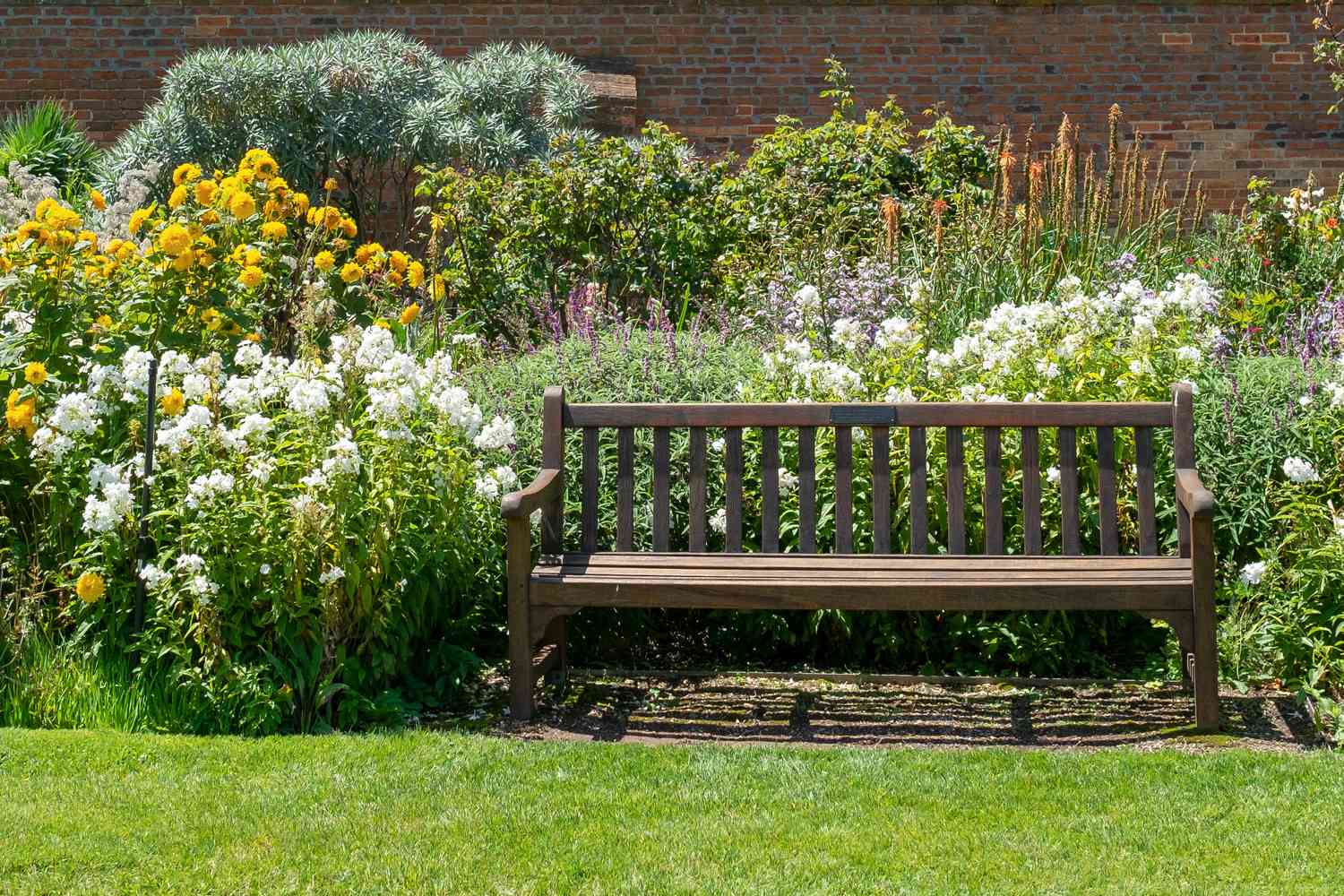
The Ultimate Buying Guide to Creating Your Dream Garden
Embarking on the journey of creating a garden, whether it's a sprawling backyard oasis or a compact urban balcony, is a rewarding and enriching experience. A well-designed garden not only enhances the aesthetic appeal of your home but also provides a sanctuary for relaxation, a space for growing your own food, and a haven for local wildlife. However, with a vast array of plants, tools, and accessories available, navigating the world of gardening can feel overwhelming for beginners and seasoned enthusiasts alike. This comprehensive buying guide is designed to equip you with the knowledge and confidence to make informed decisions, ensuring your gardening endeavors blossom into success.
Understanding Your Garden's Potential: Site Assessment and Planning
Before you even think about purchasing a single seed or shovel, the most crucial step is to thoroughly assess your garden's potential and create a solid plan. This foundational work will prevent costly mistakes and ensure you're investing in the right elements for your specific environment.
Sunlight Exposure: The Lifeblood of Your Garden
Sunlight is arguably the most critical factor determining what you can grow. Observe your garden space throughout the day and across different seasons to understand its light patterns. Categorize areas as:
- Full Sun: Receives at least 6-8 hours of direct sunlight per day. Ideal for most vegetables, flowering annuals, and many herbs.
- Partial Sun/Partial Shade: Receives 4-6 hours of direct sunlight per day, often with some dappled shade during the hottest part of the day. Suitable for a wider range of plants, including some vegetables, shade-tolerant flowers, and certain shrubs.
- Full Shade: Receives less than 4 hours of direct sunlight per day, or is consistently shaded by trees or buildings. Best for shade-loving perennials, ferns, hostas, and some leafy greens.
Accurate sunlight assessment will guide your plant selection, preventing disappointment when plants struggle to thrive in inadequate light conditions.
Soil Type and Quality: The Foundation for Growth
The health of your soil directly impacts the health of your plants. Understanding your soil type is essential for amending and improving it. Common soil types include:
- Sandy Soil: Drains quickly, is easy to work with, but can dry out rapidly and lacks nutrients.
- Clay Soil: Holds moisture and nutrients well but can become waterlogged and compacted, hindering root growth.
- Silty Soil: Feels smooth and retains moisture well, often fertile.
- Loamy Soil: Considered the ideal garden soil, a balanced mix of sand, silt, and clay, offering good drainage, moisture retention, and fertility.
You can conduct a simple "jar test" by filling a jar with soil, water, and shaking it vigorously. Allow it to settle, and the layers will reveal the composition. Investing in a soil test kit can provide detailed information about pH levels and nutrient deficiencies, allowing you to amend your soil effectively with compost, organic matter, or specific fertilizers.
Drainage: Preventing Waterlogged Roots
Good drainage is vital for preventing root rot and other fungal diseases. If your garden holds water for extended periods after rain, you'll need to address drainage issues. This might involve:
- Incorporating organic matter to improve soil structure.
- Creating raised beds.
- Installing French drains or other drainage systems for more significant problems.
Climate and Microclimate: Working with Your Environment
Consider your local climate, including average temperatures, rainfall, and frost dates. This will influence your plant choices and the timing of your planting. Additionally, be aware of microclimates within your garden – sheltered spots, windy areas, or heat sinks created by paved surfaces – as these can create unique growing conditions.
Essential Gardening Tools: Investing in Quality and Functionality
Having the right tools can transform gardening from a chore into a pleasure. Prioritize quality tools that are comfortable to use and built to last. Here are some essential items to consider:
Hand Tools: The Gardener's Workhorses
- Trowel: For digging small holes, transplanting seedlings, and weeding. Look for a sturdy, one-piece construction with a comfortable grip.
- Hand Fork/Cultivator: For loosening soil, aerating, and removing weeds.
- Weeder: Specialized tools for removing weeds effectively, especially those with deep taproots.
- Pruning Shears/Secateurs: For cutting stems, deadheading flowers, and shaping plants. Bypass pruners are generally preferred for clean cuts.
- Gloves: Protect your hands from thorns, dirt, and blisters. Consider different types for different tasks – heavy-duty for digging, lighter ones for delicate work.
Long-Handled Tools: For Larger Tasks
- Spade: For digging, turning soil, and edging. A sharp, well-balanced spade is invaluable.
- Fork: For turning and aerating soil, breaking up clumps, and lifting plants.
- Hoe: For weeding, cultivating, and creating furrows. Various types exist for different purposes.
- Rake: For leveling soil, gathering leaves, and removing debris. A sturdy metal rake is more durable than a plastic one.
- Watering Can/Hose with Sprayer: Essential for providing water to your plants. Consider the size of your garden when choosing a watering can. A good quality hose with an adjustable sprayer offers versatility.
Power Tools (Optional, Depending on Garden Size and Needs)
For larger gardens or more demanding tasks, power tools can be a significant time-saver:
- Lawnmower: Essential for maintaining a lawn.
- String Trimmer/Edger: For tidying up edges and hard-to-reach areas.
- Leaf Blower: For quickly clearing leaves and debris.
- Rototiller: For breaking up large areas of compacted soil.
When considering power tools, think about fuel type (electric, battery-powered, or gas) and their environmental impact and maintenance requirements.
Choosing the Right Plants: Beauty, Functionality, and Sustainability
Selecting plants is where your garden truly comes to life. Consider a combination of aesthetics, purpose, and suitability for your environment.
Understanding Plant Categories
- Annuals: Plants that complete their life cycle in one growing season. They provide vibrant, continuous color but need to be replanted each year.
- Perennials: Plants that live for more than two years, returning year after year. They offer long-term structure and beauty.
- Shrubs: Woody plants that provide structure, privacy, and seasonal interest.
- Trees: Offer shade, habitat, and significant visual impact.
- Vegetables and Herbs: For growing your own food.
- Groundcovers: Plants that spread to cover bare soil, suppressing weeds and preventing erosion.
Key Considerations for Plant Selection
- Sunlight Requirements: Match plants to the light conditions in your garden.
- Water Needs: Choose plants that are suited to your local rainfall or your willingness to water. Consider drought-tolerant options for water-wise gardening.
- Soil Preferences: Ensure the soil pH and type are suitable for your chosen plants.
- Mature Size: Research the mature size of plants to avoid overcrowding and ensure they fit their intended space.
- Bloom Time and Color: Plan for continuous blooms throughout the season by selecting plants with staggered flowering times.
- Pest and Disease Resistance: Opt for varieties known for their resilience.
- Native Plants: Incorporating native plants supports local ecosystems and wildlife.
- Edible Options: If you're interested in growing food, select vegetables and herbs that thrive in your climate and space.
Where to Buy Plants
- Local Nurseries: Offer expert advice and a wide selection of plants suited to your region.
- Garden Centers: Provide a broad range of plants, tools, and supplies.
- Online Retailers: Can offer convenience and specialized varieties, but inspect plants upon arrival carefully.
- Seed Companies: For starting plants from scratch, offering a vast array of choices.
When purchasing plants, look for healthy specimens with good root systems, no signs of pests or diseases, and appropriate labeling.
Garden Structures and Features: Enhancing Functionality and Aesthetics
Beyond plants and tools, various structures and features can elevate your garden's design and usability.
Raised Beds and Containers: Versatile Gardening Solutions
- Raised Beds: Offer improved drainage, easier access, and the ability to control soil quality. They are excellent for vegetable gardening and can be constructed from wood, stone, or metal.
- Containers: Ideal for small spaces, balconies, and patios. Choose pots and planters made from terracotta, plastic, ceramic, or wood, ensuring they have drainage holes.
Fencing and Edging: Defining Spaces and Providing Protection
- Fencing: Can provide privacy, security, and act as a decorative element. Options range from wooden picket fences to modern metal designs.
- Edging: Creates clean lines between garden beds, lawns, and pathways, preventing grass from encroaching and giving a tidy appearance. Materials include brick, stone, metal, or plastic.
Pathways and Patios: Creating Flow and Usable Outdoor Living Areas
- Pathways: Guide visitors through your garden and connect different areas. Materials can include gravel, pavers, stepping stones, or mulch.
- Patios: Provide a dedicated space for outdoor dining, entertaining, or relaxation. Materials include concrete, pavers, natural stone, or wood decking.
Water Features: Adding Tranquility and Sound
A pond, fountain, or bird bath can add a soothing element to your garden, attracting wildlife and creating a peaceful ambiance.
Structures for Support: Trellises, Arbors, and Pergolas
- Trellises: Support climbing plants like roses, clematis, and beans, adding vertical interest.
- Arbors: Graceful structures that can frame an entrance or a pathway, often adorned with climbing plants.
- Pergolas: Larger, open structures that provide shade and can be draped with vines, creating a beautiful outdoor room.
Soil Amendments and Fertilizers: Nourishing Your Plants
Healthy soil is the cornerstone of a thriving garden. You'll likely need to supplement your soil to provide the nutrients plants need.
Organic Matter: The Gardener's Best Friend
- Compost: Decomposed organic material that improves soil structure, fertility, and water retention. You can buy it or make your own.
- Manure: Well-rotted animal manure is a rich source of nutrients.
- Peat Moss/Coconut Coir: Improve soil aeration and moisture retention, though consider the sustainability of peat moss.
Fertilizers: Providing Essential Nutrients
Fertilizers supply essential nutrients like nitrogen (N), phosphorus (P), and potassium (K). They come in:
- Organic Fertilizers: Derived from natural sources (e.g., bone meal, fish emulsion), they release nutrients slowly and improve soil health.
- Synthetic Fertilizers: Manufactured chemical compounds that provide a quick boost of nutrients. Use them judiciously to avoid over-fertilizing.
Always follow application instructions carefully and consider a soil test to determine specific nutrient needs.
Ongoing Garden Care: Maintaining Your Green Oasis
Gardening is an ongoing process. Regular maintenance ensures your garden remains healthy and beautiful.
Watering: The Right Amount at the Right Time
Water deeply and less frequently to encourage strong root growth. Water early in the morning to minimize evaporation and reduce the risk of fungal diseases.
Weeding: Keeping Unwanted Guests at Bay
Regular weeding prevents competition for resources and keeps your garden looking tidy. Mulching can significantly reduce weed growth.
Pest and Disease Management: Prevention and Intervention
Monitor your plants for signs of pests and diseases. Opt for integrated pest management (IPM) strategies, which prioritize prevention and the use of natural or least-toxic methods before resorting to chemical treatments.
Pruning and Deadheading: Encouraging Growth and Blooms
Pruning helps shape plants, remove dead or diseased branches, and encourage new growth. Deadheading (removing spent flowers) prompts many plants to produce more blooms.
Creating a garden is a rewarding endeavor that offers a lifetime of learning and enjoyment. By understanding your site, investing in quality tools, selecting appropriate plants, and committing to ongoing care, you can cultivate a beautiful, functional, and sustainable outdoor space that brings joy for years to come.