The Ultimate Buying Guide to Creating Your Dream Garden
Embarking on the journey of creating a garden, whether it's a sprawling backyard oasis or a charming balcony haven, is an incredibly rewarding experience. It's a space to connect with nature, cultivate beauty, and perhaps even grow your own delicious produce. However, with the vast array of options available, from the tiniest seed to the most elaborate garden furniture, making the right choices can feel overwhelming. This comprehensive buying guide is designed to demystify the process, empowering you to select the perfect tools, plants, and features to bring your garden vision to life.
Understanding Your Garden's Potential: Site Assessment is Key
Before you buy a single seed or shovel, the most crucial step is to thoroughly assess your intended garden space. This foundational work will dictate everything from what you can grow to the best placement for your garden structures. Consider the following:
Sunlight Exposure: The Lifeblood of Your Plants
- Full Sun: Areas that receive at least six to eight hours of direct sunlight per day. Ideal for most vegetables, flowering plants, and sun-loving shrubs.
- Partial Sun/Shade: Receives four to six hours of direct sunlight, often in the morning or late afternoon, with some shade during the hottest part of the day. Suitable for many flowering plants, leafy greens, and some herbs.
- Full Shade: Receives less than four hours of direct sunlight, or filtered light throughout the day. Perfect for hostas, ferns, and shade-tolerant groundcovers.
Spend a full day observing your garden space at different times to accurately map out the sun and shade patterns. This will prevent you from purchasing plants that will inevitably struggle.
Soil Type and Drainage: The Foundation of Healthy Growth
The quality of your soil is paramount. Healthy soil provides essential nutrients, anchors roots, and retains moisture. Different soil types have distinct characteristics:
- Sandy Soil: Drains quickly, heats up fast, but may not retain nutrients well.
- Clay Soil: Holds moisture and nutrients but can become compacted and waterlogged.
- Loamy Soil: Considered ideal, a balanced mix of sand, silt, and clay, offering good drainage, aeration, and nutrient retention.
You can test your soil's drainage by digging a hole about a foot deep and filling it with water. If it drains within a few hours, you have good drainage. If it takes longer, you may need to amend your soil.
Water Availability: Hydration is Essential
Consider how you will water your garden. Do you have easy access to a hose? Is rainwater harvesting a viable option? Understanding your water source will influence your plant choices and watering system decisions.
Space and Layout: Planning for Functionality and Aesthetics
Measure your garden space and sketch out a plan. Think about:
- Where will pathways be?
- Where will seating areas be located?
- What is the overall style you're aiming for (e.g., formal, cottage, modern)?
- Will you be growing edibles, ornamentals, or a mix?
A well-thought-out layout will maximize your space and create a harmonious, functional garden.
Essential Garden Tools: Investing in Quality for Lasting Results
The right tools can transform gardening from a chore into a joy. Investing in good quality tools means they'll last longer, perform better, and make your work easier. Here are the essentials:
Digging and Cultivating Tools
- Spade: A sturdy spade is indispensable for digging, turning soil, and transplanting. Look for a forged steel blade and a comfortable handle.
- Fork: A garden fork is excellent for loosening compacted soil, aerating lawns, and turning compost.
- Trowel: A hand trowel is perfect for planting small plants, digging holes for bulbs, and weeding.
- Cultivator: A hand cultivator with several tines helps break up soil and remove weeds in tight spaces.
Cutting and Pruning Tools
- Pruning Shears (Secateurs): Essential for trimming branches, deadheading flowers, and shaping shrubs. Bypass pruners make clean cuts, while anvil pruners are better for tougher, dead wood.
- Loppers: For thicker branches that bypass pruners can't handle. They offer more leverage.
- Hedge Shears: For maintaining the shape of hedges and larger shrubs.
Watering and Soil Care Tools
- Watering Can: A classic for gentle watering of seedlings and delicate plants.
- Hose and Sprinkler: For larger areas, a good quality hose and an adjustable sprinkler are vital. Consider a hose reel for easy storage.
- Wheelbarrow: Indispensable for moving soil, compost, mulch, and garden debris.
- Rake: For leveling soil, gathering leaves, and removing debris. A leaf rake and a garden rake serve different purposes.
Weeding Tools
- Hand Weeder: Various designs exist, from dandelion pullers to narrow-bladed weeders for tight spots.
- Hoe: A long-handled hoe is effective for clearing weeds from larger areas.
Choosing Your Green Companions: Plants for Every Garden
The heart of any garden lies in its plants. Selecting the right varieties for your conditions and aesthetic preferences is key to a thriving and beautiful space.
Understanding Plant Types
- Annuals: Plants that complete their life cycle in one growing season. They provide vibrant, season-long color but need to be replanted each year.
- Perennials: Plants that live for more than two years, returning year after year. They offer long-term structure and beauty.
- Shrubs: Woody plants that provide structure, form, and often seasonal interest with flowers, foliage, or berries.
- Trees: Offer shade, height, and a sense of permanence.
- Vegetables and Herbs: For those who want to grow their own food, choose varieties suited to your climate and available space.
Selecting Plants Based on Your Site Assessment
Refer back to your site assessment:
- Sunlight: Choose plants that match the light conditions of each area.
- Soil: Opt for plants that tolerate or thrive in your existing soil type, or be prepared to amend the soil accordingly.
- Water: Consider drought-tolerant plants if water is scarce, or select those that appreciate moisture if you have a reliable water source.
- Climate: Ensure plants are hardy for your USDA Hardiness Zone.
Where to Buy Plants
- Local Nurseries: Often have knowledgeable staff and a selection of plants suited to your region.
- Garden Centers: Offer a wide variety, from starter plants to mature specimens.
- Online Retailers: Provide convenience and a vast selection, but inspect plants carefully upon arrival.
- Seed Companies: For the budget-conscious or those who enjoy the process of starting from scratch.
Enhancing Your Garden: Structures and Features
Beyond plants and tools, various structures and features can elevate your garden's functionality, beauty, and enjoyment.
Pathways and Edging
- Pathways: Create flow and define different areas. Materials include gravel, pavers, stepping stones, or mulch. Ensure they are wide enough for comfortable passage.
- Edging: Separates garden beds from lawns or pathways, providing a neat and tidy appearance. Options include brick, stone, metal, or plastic.
Seating and Relaxation Areas
A garden is a place to relax and enjoy. Consider:
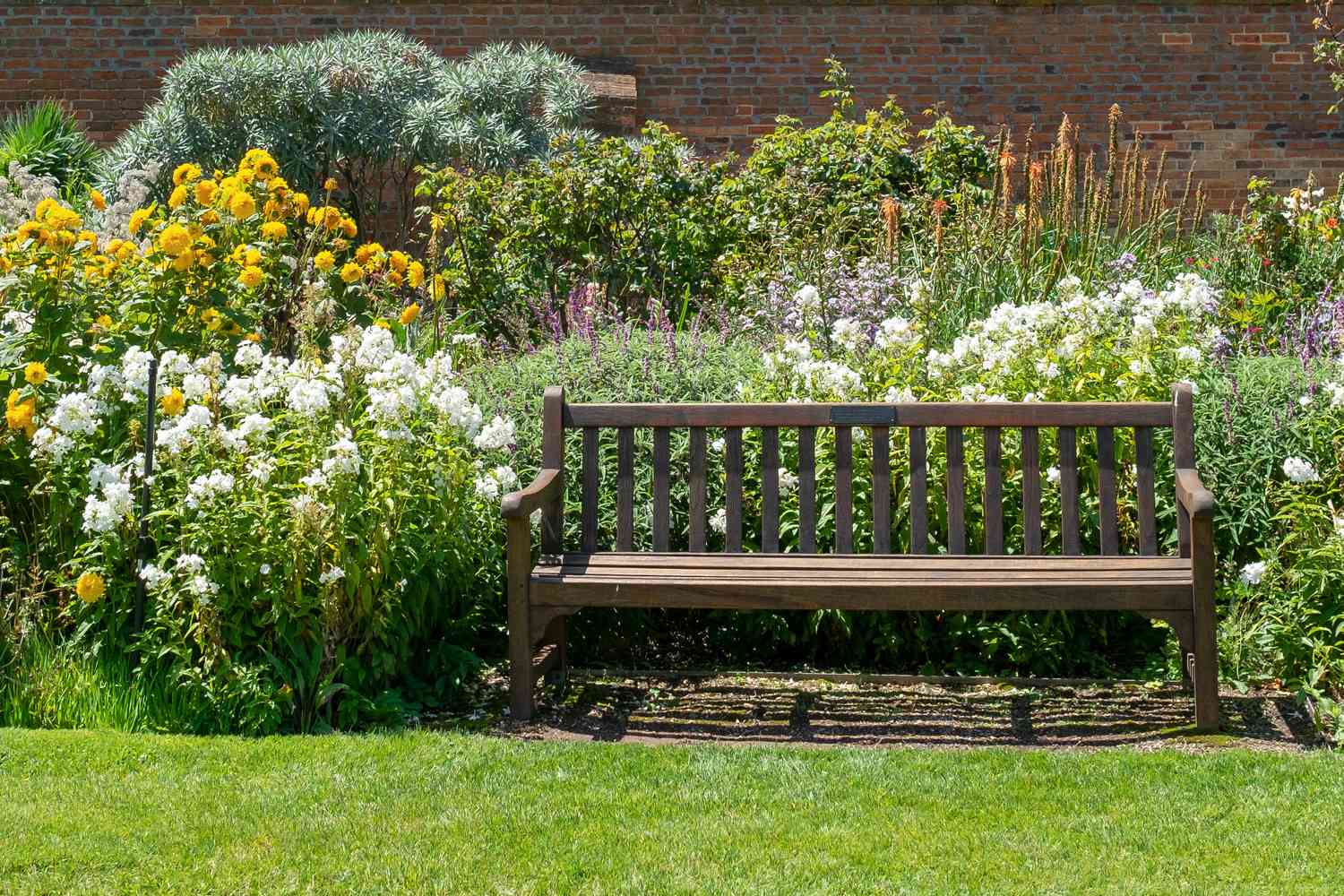
- Benches: A classic addition for quiet contemplation.
- Adirondack Chairs: Perfect for lounging and enjoying the scenery.
- Patio Sets: For dining al fresco.
- Hammocks: For ultimate relaxation.
Choose materials that are durable and weather-resistant.
Vertical Gardening and Support Structures
Maximize space and add visual interest with vertical elements:
- Trellises: Support climbing plants like roses, clematis, or beans.
- Arbors and Pergolas: Create a sense of entry or a shaded retreat.
- Wall Planters: Ideal for small spaces and creating living walls.
Water Features
The gentle sound of water can be incredibly soothing. Options range from simple bird baths to elaborate fountains and ponds.
Lighting
Extend your garden's usability into the evening hours with strategic lighting. Solar-powered options are eco-friendly and easy to install.
Soil Amendments and Mulch: The Secret to Healthy Plants
Even with good initial soil, ongoing care is essential. Soil amendments and mulch play a vital role.
Soil Amendments
- Compost: The gold standard for improving soil structure, fertility, and water retention.
- Manure: Well-rotted manure adds nutrients and organic matter.
- Peat Moss: Improves water retention and aeration, particularly in clay soils.
- Perlite and Vermiculite: Enhance drainage and aeration in potting mixes and garden beds.
Mulch
Mulch is a gardener's best friend. It:
- Suppresses weeds
- Retains soil moisture
- Regulates soil temperature
- Improves soil health as it decomposes
Common mulching materials include wood chips, bark, straw, compost, and shredded leaves.
Gardening for Beginners: Getting Started with Confidence
If you're new to gardening, start small and choose forgiving plants. Consider:
- Container Gardening: Ideal for small spaces and allows you to control the soil.
- Easy-to-Grow Vegetables: Radishes, lettuce, bush beans, and cherry tomatoes are good starting points.
- Hardy Perennials: Hostas, daylilies, and coneflowers are generally low-maintenance.
- Herbs: Mint, basil, and chives are relatively easy to grow.
Don't be afraid to ask for advice from experienced gardeners or your local nursery staff. Every expert was once a beginner!
Maintaining Your Garden: Ongoing Care for Long-Term Success
Creating a beautiful garden is an ongoing process. Regular maintenance ensures your plants thrive and your garden remains a source of joy.
- Watering: Water deeply and less frequently, rather than shallowly every day.
- Weeding: Stay on top of weeds before they become established.
- Fertilizing: Feed your plants according to their specific needs, using appropriate fertilizers.
- Pruning: Regular pruning encourages healthy growth and maintains desired shapes.
- Pest and Disease Management: Monitor your plants for signs of trouble and address issues promptly using organic or appropriate methods.
By carefully considering your site, investing in quality tools, selecting the right plants, and planning for ongoing care, you can create a garden that not only enhances your home but also enriches your life. Happy gardening!