The Ultimate Buying Guide to Creating Your Dream Garden
Embarking on the journey of creating a garden, whether it's a sprawling backyard oasis or a compact balcony sanctuary, is a rewarding endeavor. It's a space for relaxation, a canvas for creativity, and a source of fresh produce and vibrant blooms. However, with a myriad of options available, navigating the world of garden supplies can feel overwhelming. This comprehensive buying guide is designed to equip you with the knowledge and confidence to make informed decisions, transforming your gardening aspirations into a flourishing reality.
Understanding Your Garden's Needs: The Foundation of Success
Before you even think about purchasing tools or plants, the most crucial step is to understand the unique conditions and your personal vision for your garden. This foundational understanding will dictate every subsequent purchase and ensure your efforts are well-directed.
Assessing Your Site Conditions
The success of your garden hinges on its environment. Take the time to observe and analyze:
- Sunlight Exposure: This is paramount. Track how much direct sunlight different areas of your garden receive throughout the day and across the seasons. Note areas that are full sun (6+ hours), partial sun/shade (4-6 hours), or full shade (less than 4 hours). This will determine which plants will thrive.
- Soil Type: Is your soil sandy, clay, or loamy? You can perform a simple jar test or feel its texture. Understanding your soil will inform your choices regarding soil amendments and plant selection.
- Water Drainage: Does water pool after rain, or does it drain away quickly? Poor drainage can lead to root rot, while excessively fast drainage means you'll need to water more frequently.
- Wind Exposure: Is your garden exposed to strong winds? This can damage delicate plants and dry out the soil. Consider windbreaks if necessary.
- Space and Layout: Measure your available space and consider how you want to utilize it. Will it be for vegetables, flowers, a seating area, or a combination?
Defining Your Gardening Goals
What do you hope to achieve with your garden? Your goals will influence the types of plants, tools, and features you'll need:
- Edible Garden: Focusing on fruits, vegetables, and herbs. This requires planning for crop rotation, pest control, and potentially a greenhouse or cold frames.
- Ornamental Garden: Centered on aesthetic appeal with flowers, shrubs, and trees. Consider color palettes, bloom times, and year-round interest.
- Wildlife Garden: Designed to attract birds, bees, butterflies, and other beneficial creatures. This involves planting native species, providing water sources, and offering shelter.
- Low-Maintenance Garden: Prioritizing plants that require minimal watering, pruning, and pest control. Drought-tolerant species and groundcovers are key.
- Container Garden: Ideal for small spaces like balconies or patios. This requires specific types of containers, potting mixes, and watering strategies.
Essential Garden Tools: Your Helping Hands
Investing in good quality tools will make your gardening tasks more efficient, enjoyable, and less physically demanding. Here are some essential categories to consider:
Digging and Cultivating Tools
- Spade: A sturdy spade is indispensable for digging, turning soil, and transplanting larger plants. Look for a forged steel blade and a comfortable handle.
- Garden Fork: Excellent for breaking up compacted soil, aerating the lawn, and lifting root vegetables. A strong, multi-tined fork is ideal.
- Hand Trowel: A small, versatile tool for planting seedlings, digging small holes, and weeding. Choose one with a comfortable grip and a durable blade.
- Cultivator (Hand Fork): With its three or four prongs, this tool is perfect for loosening soil, removing weeds, and mixing in amendments in smaller areas.
Cutting and Pruning Tools
- Hand Pruners (Secateurs): Essential for cutting small branches, deadheading flowers, and shaping plants. Bypass pruners are generally preferred for clean cuts. Consider bypass for precision and anvil for tougher jobs.
- Loppers: For thicker branches that hand pruners can't handle. They offer greater leverage.
- Pruning Saw: For branches too thick for loppers. A curved blade can be helpful for reaching awkward spots.
- Hedge Shears: For trimming hedges and shaping shrubs. Manual shears are good for smaller tasks, while powered ones are for larger hedges.
Watering and Irrigation
- Watering Can: A classic for targeted watering of seedlings and delicate plants. Choose one with a comfortable handle and a rose (sprinkler head) for a gentle spray.
- Garden Hose: Invest in a durable, kink-resistant hose of an appropriate length for your garden. Look for good quality brass fittings.
- Hose Nozzle/Sprayer: Offers various spray patterns for different watering needs, from a gentle shower to a strong jet.
- Sprinklers: For larger areas, sprinklers can automate watering. Oscillating, impact, and rotating sprinklers each have their uses.
- Soaker Hoses/Drip Irrigation: Water-efficient systems that deliver water directly to the plant roots, reducing evaporation and water waste.
Weeding and Soil Care
- Hoe: Various types exist, including draw hoes for weeding and cultivating, and stirrup hoes for slicing weeds just below the surface.
- Weeder: Specialized tools like dandelion pullers or fishtail weeders can make removing stubborn weeds easier.
- Garden Gloves: Protect your hands from dirt, thorns, and blisters. Consider different types for various tasks – sturdy leather for heavy work, thinner for delicate tasks.
- Wheelbarrow/Garden Cart: Essential for transporting soil, compost, mulch, plants, and debris. A sturdy, well-balanced option is key.
Choosing the Right Plants: Bringing Your Garden to Life
Selecting plants is where your garden truly begins to take shape. Consider your site conditions, goals, and personal preferences.
Understanding Plant Needs
When selecting plants, always check their:
- Sunlight Requirements: Match the plant's needs to the sunlight exposure in your garden.
- Water Needs: Consider drought-tolerant plants if you live in a dry climate or want a low-maintenance garden.
- Soil Preferences: Some plants prefer acidic soil, while others thrive in alkaline conditions.
- Hardiness Zone: This indicates which plants will survive the winter temperatures in your region.
- Mature Size: Research how large the plant will grow to ensure it has adequate space and won't overcrowd other plants.
Types of Plants to Consider
- Annuals: Plants that complete their life cycle in one growing season. They provide vibrant, season-long color but need to be replanted each year.
- Perennials: Plants that live for more than two years, often returning year after year. They offer long-term structure and beauty.
- Shrubs: Woody plants that provide structure, privacy, and often seasonal interest with flowers or foliage.
- Trees: Offer shade, structure, and can be a focal point in the garden. Consider fruit trees for edibles.
- Vegetables and Herbs: Choose varieties that are suited to your climate and space.
- Groundcovers: Low-growing plants that spread to cover the soil, suppressing weeds and retaining moisture.
- Native Plants: Adapted to your local climate and soil conditions, they are often low-maintenance and beneficial to local wildlife.
Soil Amendments and Fertilizers: Nourishing Your Garden
Healthy soil is the bedrock of a thriving garden. You'll likely need to amend your existing soil to improve its structure, fertility, and drainage.
Key Soil Amendments
- Compost: The ultimate soil conditioner, compost improves soil structure, adds nutrients, and enhances water retention. You can buy it or make your own.
- Manure: Well-rotted manure adds nutrients and organic matter to the soil. Ensure it's composted to avoid burning plant roots.
- Peat Moss: Improves water retention and aeration, particularly in sandy soils. However, consider sustainable alternatives like coir.
- Perlite/Vermiculite: Lightweight materials that improve drainage and aeration, especially in potting mixes.
- Lime/Sulfur: Used to adjust soil pH. Test your soil to determine if your garden needs to be made more acidic or alkaline.
Understanding Fertilizers
Fertilizers provide essential nutrients for plant growth. It's important to use them judiciously.
- Organic Fertilizers: Derived from natural sources like bone meal, blood meal, or fish emulsion. They release nutrients slowly and improve soil health.
- Synthetic Fertilizers: Manufactured chemical compounds. They provide a quick nutrient boost but can be harmful to the environment if overused.
- NPK Ratios: Fertilizers are labeled with three numbers (e.g., 10-10-10) representing the percentage of Nitrogen (N), Phosphorus (P), and Potassium (K). Nitrogen promotes leafy growth, Phosphorus aids in flowering and root development, and Potassium supports overall plant health.
Containers and Raised Beds: Versatile Gardening Solutions
For those with limited space, challenging soil conditions, or a desire for a more organized garden, containers and raised beds offer excellent alternatives.
Choosing Containers
- Material: Options include terracotta (breathable but dries out quickly), plastic (lightweight and retains moisture), ceramic (decorative but heavy), and fabric pots (excellent aeration and drainage).
- Size: Ensure the container is large enough to accommodate the plant's root system.
- Drainage Holes: Absolutely essential to prevent waterlogging.
Benefits of Raised Beds
- Improved Drainage: Ideal for areas with poor natural drainage.
- Better Soil Control: You can fill them with your ideal soil mix.
- Easier Access: Reduced bending and kneeling, making gardening more accessible.
- Warmer Soil: Raised beds warm up faster in spring, extending the growing season.
- Pest Deterrence: Can help keep out some ground-dwelling pests.
Garden Structures and Features: Enhancing Your Space
Beyond plants and tools, various structures can enhance the functionality and beauty of your garden.
- Fencing: For security, privacy, or to keep out unwanted animals.
- Trellises and Arbors: Support climbing plants, adding vertical interest and beauty.
- Pathways: Define garden areas, provide access, and add visual appeal. Materials include gravel, pavers, wood chips, or stepping stones.
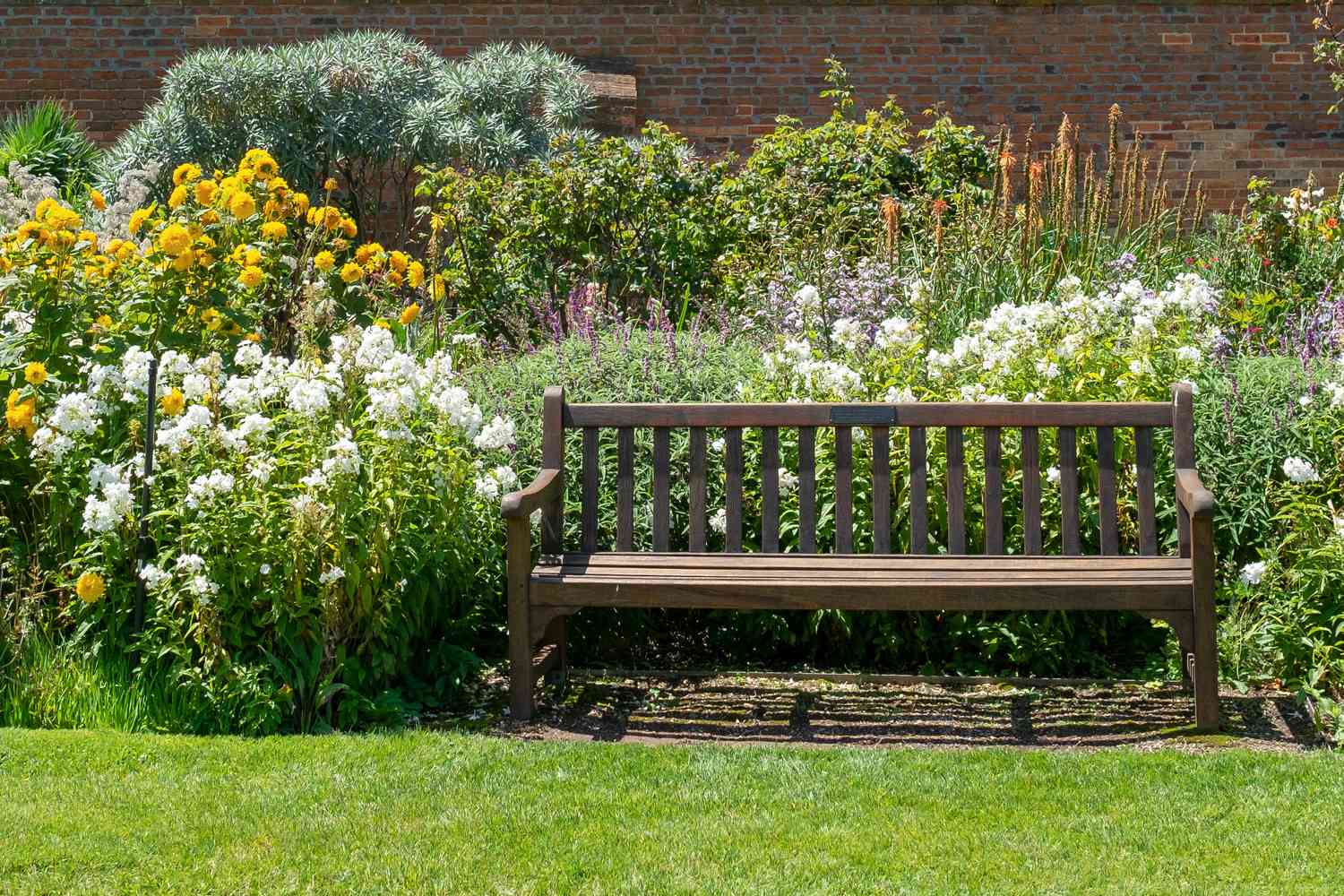
- Seating: Benches, chairs, or picnic tables create inviting spaces for relaxation and enjoyment.
- Lighting: Solar-powered or wired lights can extend the usability of your garden into the evening and add ambiance.
- Water Features: Ponds, fountains, or bird baths add a soothing element and attract wildlife.
Maintenance and Ongoing Care: Keeping Your Garden Thriving
Gardening is an ongoing process. Regular maintenance ensures your garden remains healthy and beautiful throughout the seasons.
- Watering: Consistent and appropriate watering is crucial. Water deeply and less frequently rather than shallowly and often.
- Weeding: Regular weeding prevents competition for resources and keeps your garden looking tidy.
- Mulching: Applying a layer of mulch around plants helps retain moisture, suppress weeds, and regulate soil temperature.
- Pruning: Regular pruning encourages healthy growth, improves plant shape, and removes dead or diseased branches.
- Pest and Disease Management: Monitor your plants for any signs of trouble and address issues promptly using appropriate, ideally organic, methods.
- Seasonal Cleanup: Removing fallen leaves, spent blooms, and debris helps prevent disease and prepares your garden for the next season.
Conclusion: Your Gardening Journey Awaits
Creating a garden is a continuous learning experience, filled with moments of discovery and satisfaction. By understanding your garden's unique conditions, investing in the right tools, selecting appropriate plants, and committing to ongoing care, you are well on your way to cultivating a space that brings you joy, beauty, and perhaps even a bountiful harvest. Happy gardening!