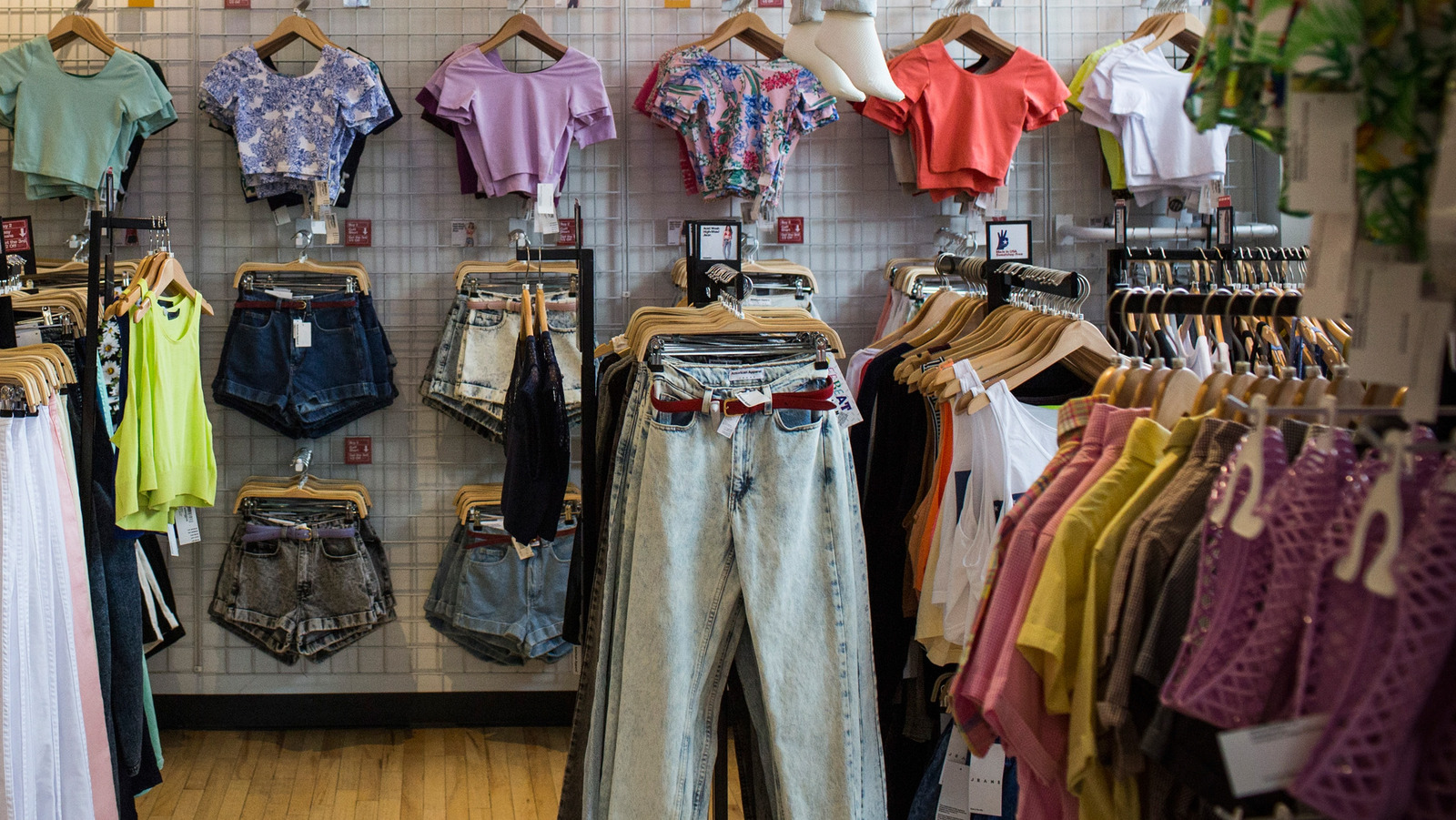
The Ultimate Guide to Building Your Perfect Wardrobe: An Apparel & Clothing Buying Guide
In a world brimming with fashion choices, navigating the vast landscape of apparel and clothing can feel overwhelming. From the latest trends to timeless classics, every garment offers a promise – whether it's comfort, style, durability, or a reflection of your unique personality. This comprehensive buying guide is designed to empower you with the knowledge and strategies needed to make informed decisions, build a wardrobe that truly serves you, and express your individuality with confidence and flair. Forget impulse buys and ill-fitting pieces; it's time to invest in a collection of clothing that not only looks good but feels good and lasts.
Building a perfect wardrobe isn't about owning the most expensive items or following every fleeting trend. It's about understanding your needs, recognizing quality, and curating a collection of garments that fit your lifestyle, flatter your form, and resonate with your personal style. Let's embark on this journey to transform your approach to buying apparel.
Understanding Your Needs & Lifestyle
Before you even think about fabric types or brand names, the first step in smart apparel shopping is introspection. Your wardrobe should be a practical extension of your life.
Personal Style Assessment
What defines your style? Are you drawn to minimalist aesthetics, preferring clean lines and neutral tones? Do you gravitate towards bohemian chic with flowing fabrics and intricate patterns? Or perhaps a classic, preppy look with tailored pieces and timeless silhouettes? Understanding your inherent preferences is crucial. Spend time browsing magazines, Pinterest, or fashion blogs to identify recurring themes, colors, and shapes that appeal to you. Consider your personality: are you bold and adventurous, or subtle and understated? Your clothing should tell your story.
Lifestyle Considerations
Your daily routine dictates the practical requirements of your clothing. A corporate professional will need a different wardrobe foundation than a freelance artist or a stay-at-home parent. Think about:
- Work Environment: Is it formal, business casual, or completely relaxed?
- Social Life: Do you attend many formal events, casual gatherings, or outdoor activities?
- Hobbies & Activities: Do you need specialized activewear, comfortable loungewear, or durable outdoor gear?
- Climate: Do you live in a region with distinct seasons, requiring layers and varied fabric weights, or a more consistent warm/cold climate?
A balanced wardrobe addresses all facets of your life, ensuring you have appropriate and comfortable apparel for every occasion.
Body Type & Fit
The secret to looking great in any outfit lies in the fit. Understanding your body shape – whether it's apple, pear, hourglass, rectangle, or inverted triangle – allows you to choose cuts and styles that flatter your natural proportions. Don't be beholden to size labels; focus on how the garment feels and looks on you. A well-fitting piece of clothing enhances your silhouette, provides comfort, and exudes confidence, regardless of its price tag. Pay attention to shoulder seams, waistlines, sleeve lengths, and hemlines. Sometimes, a simple alteration can transform an average garment into a perfect one.
Essential Wardrobe Components
A truly versatile wardrobe is built upon a foundation of core pieces that can be mixed, matched, and layered to create countless outfits.
Building Blocks & Basics
These are the workhorses of your wardrobe – versatile, often neutral-colored items that form the base of many ensembles. Invest in high-quality versions of these staples:
- Plain T-shirts: In neutral colors like white, black, grey, and navy. Opt for good quality cotton or cotton blends.
- Well-fitting Jeans: A classic blue wash and a darker wash, perhaps a black pair. Consider different cuts (straight, slim, bootcut) that suit your body.
- Versatile Trousers: Chinos, tailored trousers, or comfortable wide-leg pants in neutral shades.
- Basic Skirts/Dresses: A classic pencil skirt, A-line skirt, or a simple shift dress that can be dressed up or down.
- Layering Pieces: Cardigans, lightweight sweaters, and denim or utility jackets.
- Outerwear: A classic trench coat, a versatile blazer, or a durable winter coat depending on your climate.
Core Categories
Beyond the basics, consider the specific categories of clothing you need most often:
- Workwear: Depending on your profession, this could range from sharp suits and tailored blouses to smart casual blazers, dress shirts, and polished trousers. Focus on professional yet comfortable pieces.
- Casual Wear: For everyday comfort and weekend relaxation. Think comfortable jeans, stylish sweaters, casual dresses, and relaxed tops. The key here is ease and practicality without sacrificing style.
- Formal Wear: For special occasions like weddings, galas, or significant celebrations. This category includes cocktail dresses, evening gowns, tuxedos, or sophisticated suits. These are often investment pieces, so prioritize classic styles and excellent fit.
- Activewear/Loungewear: Essential for workouts, sports, or simply relaxing at home. Look for moisture-wicking fabrics, comfortable fits, and designs that support your activities. Quality activewear can significantly enhance performance and comfort.
- Seasonal Wear: Adapt your wardrobe to the changing seasons. This includes warm winter coats, cozy knits, thermal layers, lightweight summer dresses, breathable linen shirts, and swimwear.
Quality Over Quantity: Making Smart Choices
One of the most significant shifts you can make in your apparel buying habits is prioritizing quality. A well-made garment not only looks better but lasts longer, reducing waste and offering better value in the long run.
Fabric Focus
The fabric is the foundation of any garment, dictating its feel, drape, durability, and care requirements.
- Natural Fibers:
- Cotton: Breathable, soft, durable, easy to care for. Excellent for everyday wear.
- Linen: Highly breathable, absorbent, durable. Perfect for warm climates, though prone to wrinkling.
- Wool: Warm, breathable, moisture-wicking, wrinkle-resistant. Ideal for colder weather, can be fine (merino) or chunky.
- Silk: Luxurious, soft, smooth, drapes beautifully, breathable. Requires delicate care.
- Cashmere: A luxurious type of wool, exceptionally soft and warm but delicate.
- Synthetic Fibers:
- Polyester: Durable, wrinkle-resistant, quick-drying. Often used in activewear and blends.
- Rayon (Viscose): Soft, drapes well, breathable, often mimics silk or cotton. Can be less durable when wet.
- Nylon: Strong, elastic, water-resistant. Common in activewear, hosiery, and outerwear.
- Spandex (Lycra/Elastane): Highly elastic, provides stretch and shape retention. Blended with other fibers.
- Blends: Often combine the best properties of different fibers, e.g., cotton-spandex for comfort and stretch, or wool-silk for warmth and softness.
Always check the fabric composition on the care label. Natural fibers often offer superior breathability and feel, while synthetics excel in durability, stretch, or specific performance features.
Construction & Craftsmanship
Examine the garment closely for signs of quality construction:
- Stitching: Look for even, tight, and consistent stitching. No loose threads, skipped stitches, or puckering. Seams should be straight and strong.
- Seams: Finished seams (e.g., French seams, flat-felled seams, overlocked edges) prevent fraying and indicate better quality.
- Buttons & Buttonholes: Buttons should be securely sewn with strong thread. Buttonholes should be neatly stitched and lie flat.
- Zippers: Should operate smoothly without snagging. High-quality zippers (like YKK) are a good sign.
- Lining: A well-constructed lining adds comfort, improves drape, and extends the life of a garment, especially in jackets, coats, and dresses.
- Pattern Matching: For patterned fabrics, skilled craftsmanship will ensure patterns align across seams.
Durability & Longevity
Investing in quality means buying items that will withstand wear and washing. Look for dense weaves, sturdy hardware, and reinforced stress points (like pockets or button plackets). While trends come and go, timeless, well-made pieces form the backbone of a sustainable and stylish wardrobe.
The Art of Smart Shopping
Smart shopping isn't just about finding deals; it's about making deliberate choices that align with your wardrobe goals.
Budgeting for Your Wardrobe
Set a realistic budget for your clothing purchases. This doesn't mean you can't splurge on an occasional investment piece, but it helps prevent overspending. Prioritize your spending on items you'll wear most frequently or pieces that form the core of your wardrobe. Basics and classic items are worth investing more in, as they offer greater cost-per-wear value.
Shopping Strategies
- Create a Shopping List: Before you hit the stores (physical or online), review your existing wardrobe and identify genuine gaps. What do you truly need? Stick to your list to avoid impulse buys.
- Try Before Buying: Always try on garments, even if you think you know your size. Sizes vary wildly between brands. Move around in the clothing to ensure comfort and freedom of movement.
- Read Reviews: For online purchases, customer reviews can offer invaluable insights into fit, fabric quality, and overall satisfaction.
- Shop Sales Strategically: Sales can be a great opportunity, but only buy items you genuinely need and love, not just because they're discounted.
- Consider Second-hand/Thrift Shopping: Thrifting can uncover unique, high-quality pieces at a fraction of the original cost, promoting sustainability.
Versatility & Mix-and-Match
When considering a new item, ask yourself: "Can I wear this with at least three other items I already own?" Versatility is key to maximizing your wardrobe. Choose pieces that can transition from day to night, or from casual to smart, with a simple change of accessories or layering pieces.
Color Palette
Building a cohesive color palette for your wardrobe makes mixing and matching effortless. Start with a foundation of neutrals (black, white, grey, navy, beige) and then introduce a few accent colors that complement your skin tone and personal preference. This creates a harmonious collection where almost everything works together.
Caring for Your Apparel
The lifespan of your clothing is significantly extended by proper care. Neglecting care instructions can quickly ruin even the highest quality garments.
Reading Care Labels
This is perhaps the most critical step. Every garment comes with a care label containing symbols that provide instructions for washing, drying, ironing, and dry cleaning. Familiarize yourself with these symbols to ensure you're treating your clothing correctly.
Washing & Drying Techniques
- Sort Clothes: Separate by color (lights, darks, whites) and fabric type (delicates, heavy items).
- Use Appropriate Detergent: Choose detergents suitable for your fabric types (e.g., gentle detergent for delicates, wool-specific detergent for wool).
- Water Temperature: Wash in the recommended water temperature to prevent shrinking or color fading.
- Drying: Air drying is often gentler and extends garment life. If using a dryer, use low heat and remove items promptly to avoid excessive wrinkling and shrinking.
- Delicates: Hand wash or use a mesh laundry bag for delicate items to protect them during machine washing.
Storage Solutions
Proper storage prevents damage, wrinkles, and maintains garment shape:
- Hanging: Use appropriate hangers (padded for delicate knits, sturdy for coats, clip hangers for skirts/trousers) to prevent stretching or creasing.
- Folding: Fold heavy knits (sweaters) to prevent stretching on hangers.
- Clean & Dry: Always ensure clothes are clean and completely dry before storing to prevent mildew or attracting pests.
- Seasonal Storage: Store off-season clothing in breathable garment bags or containers in a cool, dry place.
Repairs & Maintenance
Don't discard a garment for a minor flaw. Learning basic mending skills (sewing on a button, patching a small tear) or utilizing a tailor for more complex repairs can significantly extend the life of your clothing and reduce textile waste. Regular maintenance, like promptly removing stains or de-pilling sweaters, keeps your apparel looking its best.
Building a wardrobe that truly reflects you and serves your lifestyle is an ongoing journey, not a destination. By focusing on understanding your needs, prioritizing quality, making smart shopping choices, and diligently caring for your garments, you'll cultivate a collection of apparel that brings joy, confidence, and lasting style. Embrace the process, experiment with what works for you, and enjoy the art of dressing well.