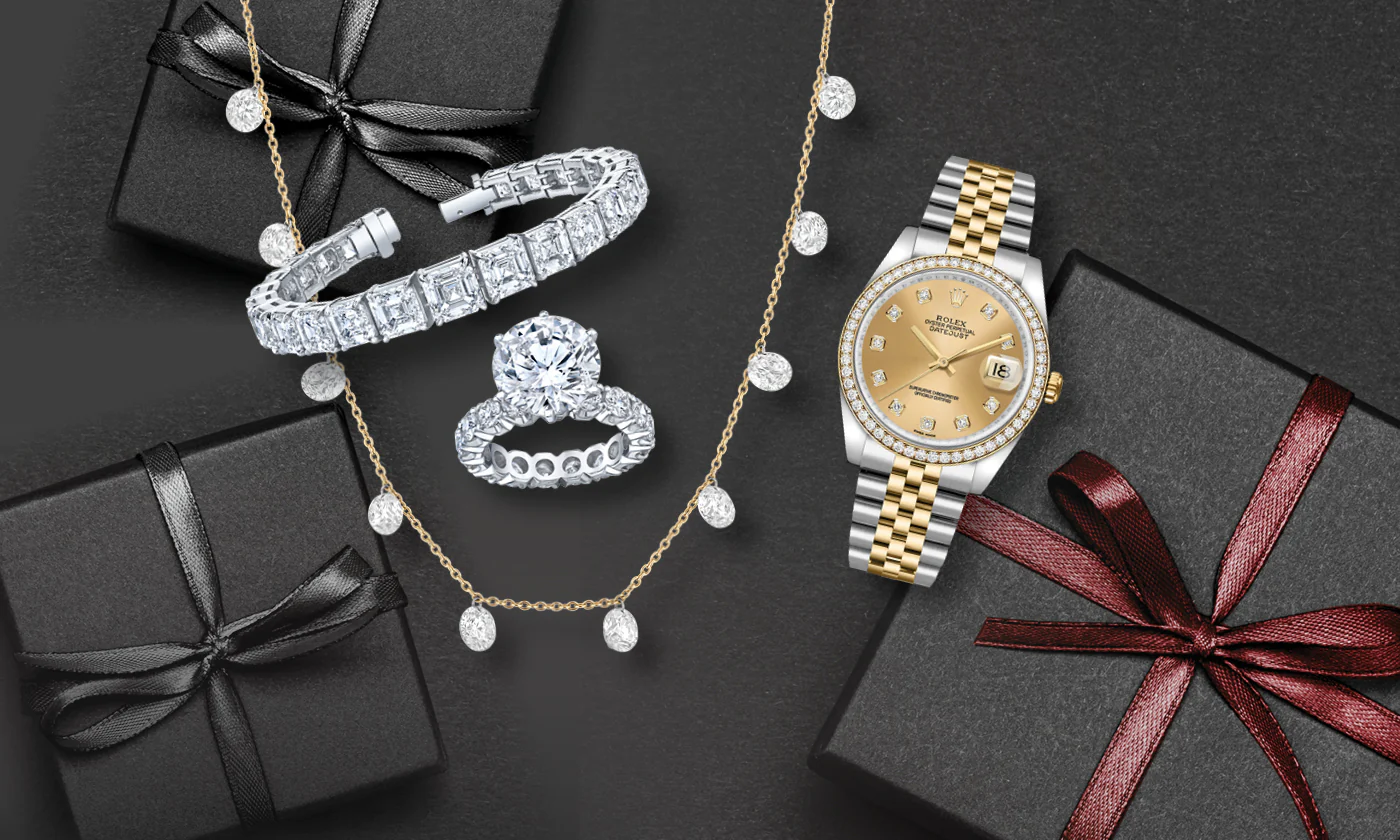
The Ultimate Guide to Buying Jewelry and Watches: A Comprehensive Look
Navigating the world of jewelry and watches can be an exciting, yet sometimes daunting, experience. Whether you're searching for a timeless piece to mark a special occasion, a statement accessory to elevate your everyday style, or a reliable timepiece that blends functionality with fashion, understanding the fundamentals is key. This comprehensive guide will equip you with the knowledge to make informed decisions, ensuring your next purchase is a cherished addition to your collection.
Understanding the Building Blocks: Materials and Metals
The foundation of any beautiful piece of jewelry or a quality watch lies in its materials. For jewelry, the most common precious metals are gold, silver, platinum, and palladium. For watches, while precious metals are used for luxury models, stainless steel, titanium, and various alloys are prevalent.
Precious Metals in Jewelry
- Gold: A perennial favorite, gold's value is measured in karats (K), indicating its purity. 24K is pure gold, while 18K (75% gold) and 14K (58.3% gold) are more common in jewelry due to their durability and affordability. The color of gold is determined by the alloys mixed with it: yellow gold (copper and silver), white gold (nickel, palladium, or zinc, often plated with rhodium for a brighter finish), and rose gold (copper).
- Silver: Sterling silver, an alloy of 92.5% silver and 7.5% other metals (usually copper), is the standard for silver jewelry. It offers a bright, lustrous appearance at a more accessible price point than gold.
- Platinum: Known for its exceptional durability, rarity, and hypoallergenic properties, platinum is a premium choice. It's naturally a silvery-white color and is often used in its purest form (90-95% platinum) in fine jewelry.
- Palladium: A naturally white metal belonging to the platinum group, palladium is less dense than platinum, making it lighter and often more affordable. It's also hypoallergenic and resistant to tarnishing.
Metals in Watches
- Stainless Steel: The workhorse of the watch industry, stainless steel is prized for its corrosion resistance, durability, and affordability. Different grades of stainless steel exist, with 316L being a common choice for its superior resistance to corrosion and scratching.
- Titanium: Lighter and stronger than stainless steel, titanium is a popular choice for sports watches and those with larger cases. It's also hypoallergenic and highly resistant to corrosion.
- Gold and Platinum: While less common for everyday wear due to their weight and cost, solid gold and platinum cases are found in high-end luxury watches. Gold plating is also used on stainless steel cases to offer a gold aesthetic at a lower price.
- Other Materials: Some watches incorporate other materials like ceramic (scratch-resistant and lightweight), bronze (develops a unique patina over time), and even exotic materials like carbon fiber for a modern, high-tech look.
The Allure of Gemstones: Color, Cut, and Clarity
Gemstones add sparkle, color, and personality to jewelry. Understanding the "4 Cs" – Carat, Cut, Color, and Clarity – is crucial when evaluating diamonds, while for colored gemstones, color saturation and origin play significant roles.
Diamonds: The Classic Choice
- Carat: This refers to the weight of the diamond, not its size. One carat is equal to 0.2 grams. Larger diamonds are rarer and thus more expensive.
- Cut: This is arguably the most important C, as it determines how well the diamond reflects light and its brilliance. A well-cut diamond will be dazzling, while a poorly cut one can appear dull. Popular cuts include round brilliant, princess, emerald, oval, and pear.
- Color: For white diamonds, the GIA (Gemological Institute of America) grades color on a scale from D (colorless) to Z (light yellow or brown). The less color, the more valuable the diamond. Fancy colored diamonds (pink, blue, yellow) are graded on a different scale.
- Clarity: This refers to the presence of internal inclusions and external blemishes. The GIA's clarity scale ranges from Flawless (FL) to Included (I). The fewer imperfections, the higher the clarity and value.
Colored Gemstones: A Spectrum of Beauty
The world of colored gemstones is vast and diverse. When choosing a colored gemstone, consider:
- Color: This is often the most dominant factor. The intensity, hue, and saturation of the color significantly impact the gemstone's beauty and value. For example, a vibrant, deep blue sapphire is more desirable than a pale, washed-out one.
- Cut: Similar to diamonds, the cut of a colored gemstone affects its brilliance and how well it displays its color.
- Clarity: While some inclusions are acceptable and even expected in many colored gemstones, excessive inclusions can detract from their beauty and durability.
- Durability: Gemstones vary in hardness (measured on the Mohs scale). For jewelry that will be worn frequently, harder stones like sapphire, ruby, and diamond are recommended. Softer stones like opal and pearl are more delicate and require more care.
- Origin: The geographical origin of a gemstone can sometimes influence its color and value. For instance, Kashmir sapphires are highly prized for their exceptional blue hue.
Popular colored gemstones include sapphires (blue, pink, yellow, green), rubies (red), emeralds (green), amethysts (purple), aquamarines (blue-green), and topaz (various colors).
The Heart of the Matter: Understanding Watch Movements
The movement is the engine of a watch, responsible for keeping time. There are three primary types of watch movements:
- Mechanical Movements: These are powered by a wound spring.
- Manual-wind: Requires the wearer to manually turn the crown to wind the mainspring. This is a traditional and often cherished type of movement, offering a direct connection to the watch's operation.
- Automatic (Self-winding): Features a rotor that spins with the wearer's wrist movements, automatically winding the mainspring. This is the most common type of mechanical movement in modern watches.
- Quartz Movements: These are battery-powered and use an electronic oscillator to regulate time. They are known for their accuracy, affordability, and low maintenance.
- Smartwatch Movements: These are digital, computer-based systems that power smartwatches, offering a wide range of functionalities beyond timekeeping, such as fitness tracking, notifications, and app integration.
The choice of movement often dictates a watch's price, complexity, and the level of craftsmanship involved. Mechanical movements are generally considered more intricate and prestigious, while quartz movements offer superior accuracy and convenience for everyday wear.
Jewelry Styles and Occasions: Finding the Perfect Fit
Jewelry is incredibly personal and can be chosen to suit a variety of styles and occasions.
Everyday Wear
For daily adornment, opt for durable materials and comfortable designs. Simple necklaces, stud earrings, and classic bracelets are excellent choices. Consider pieces made from sterling silver, 14K gold, or stainless steel, and gemstones with good hardness ratings.
Special Occasions
For formal events, anniversaries, or milestones, you might choose more elaborate pieces. Think statement necklaces, dazzling diamond earrings, or intricate rings. Precious metals like 18K gold and platinum, along with high-quality diamonds and colored gemstones, are often favored.
Gifts and Sentimental Value
Jewelry is a popular gift choice for a reason. Consider birthstones, initial pendants, or pieces that reflect the recipient's personality and interests. Engraved pieces can add a deeply personal touch, making them cherished keepsakes.
Watch Styles and Functionality: More Than Just Telling Time
Watches have evolved from simple timekeeping devices to sophisticated accessories that reflect lifestyle and personal taste.
Dress Watches
Characterized by their slim profiles, minimalist dials, and often leather straps, dress watches are designed to complement formal attire. They typically feature elegant, understated designs and are often powered by precise mechanical movements.
Sports Watches
Built for durability and functionality, sports watches often feature robust cases (stainless steel or titanium), water resistance, and additional complications like chronographs (stopwatches), rotating bezels for timing, and luminous hands for visibility in low light. They are ideal for active lifestyles.
Dive Watches
A specialized subset of sports watches, dive watches are engineered to withstand extreme water pressure. Key features include high water resistance ratings (typically 200 meters or more), a unidirectional rotating bezel to track dive time, and excellent legibility.
Pilot Watches
Historically designed for aviators, pilot watches often feature large, easy-to-read dials, prominent crowns, and sometimes additional complications like GMT functions (for tracking multiple time zones). They often have a rugged, utilitarian aesthetic.
Fashion Watches
These watches prioritize style and trendiness. They come in a vast array of designs, colors, and materials, often featuring unique dial treatments, embellished cases, and fashion-forward straps. They are a great way to express personal style.
Key Considerations When Buying
Beyond materials and styles, several other factors contribute to a wise purchase:
- Budget: Determine your spending limit beforehand. This will help narrow down your options and prevent overspending.
- Authenticity and Certification: For significant purchases, especially diamonds and high-end watches, ensure you receive proper documentation. Gemological reports (like GIA for diamonds) and watch manufacturer's certificates of authenticity are crucial.
- Hallmarks and Maker's Marks: Jewelry should be hallmarked to indicate the purity of the metal. Watches often have maker's marks and serial numbers that can be verified.
- Craftsmanship: Examine the details. Are the settings secure? Is the watch movement smooth? Is the finishing precise? Good craftsmanship is a sign of quality and durability.
- Comfort and Fit: For jewelry, ensure it sits comfortably on the skin. For watches, the strap or bracelet should fit snugly without being too tight or too loose. The case size should also be proportionate to your wrist.
- Warranty and After-Sales Service: Understand the warranty offered by the manufacturer or retailer, especially for watches. Inquire about their after-sales service and repair capabilities.
Caring for Your Treasures
Proper care will ensure your jewelry and watches remain beautiful for years to come.
Jewelry Care
- Store jewelry separately in soft pouches or lined boxes to prevent scratching.
- Clean jewelry regularly with a soft cloth. For more thorough cleaning, use mild soap and water, or consult a professional jeweler for specific gemstone or metal care instructions.
- Avoid exposing jewelry to harsh chemicals, perfumes, and lotions, as these can damage certain metals and gemstones.
- Remove jewelry before engaging in strenuous activities, swimming, or showering.
Watch Care
- Keep your watch clean by wiping it with a soft, dry cloth.
- For water-resistant watches, rinse with fresh water after exposure to saltwater or chlorinated water.
- Avoid exposing mechanical watches to strong magnetic fields, which can affect their accuracy.
- For automatic watches, wear them regularly or use a watch winder to keep the movement wound.
- Follow the manufacturer's recommendations for battery replacement in quartz watches.
- Service your mechanical watch periodically (typically every 3-5 years) to ensure optimal performance.
By understanding the materials, mechanisms, styles, and care involved, you can confidently embark on your jewelry and watch buying journey. Whether you're investing in a treasured heirloom or selecting a daily companion, making an informed choice will lead to lasting satisfaction and the enjoyment of pieces that stand the test of time.