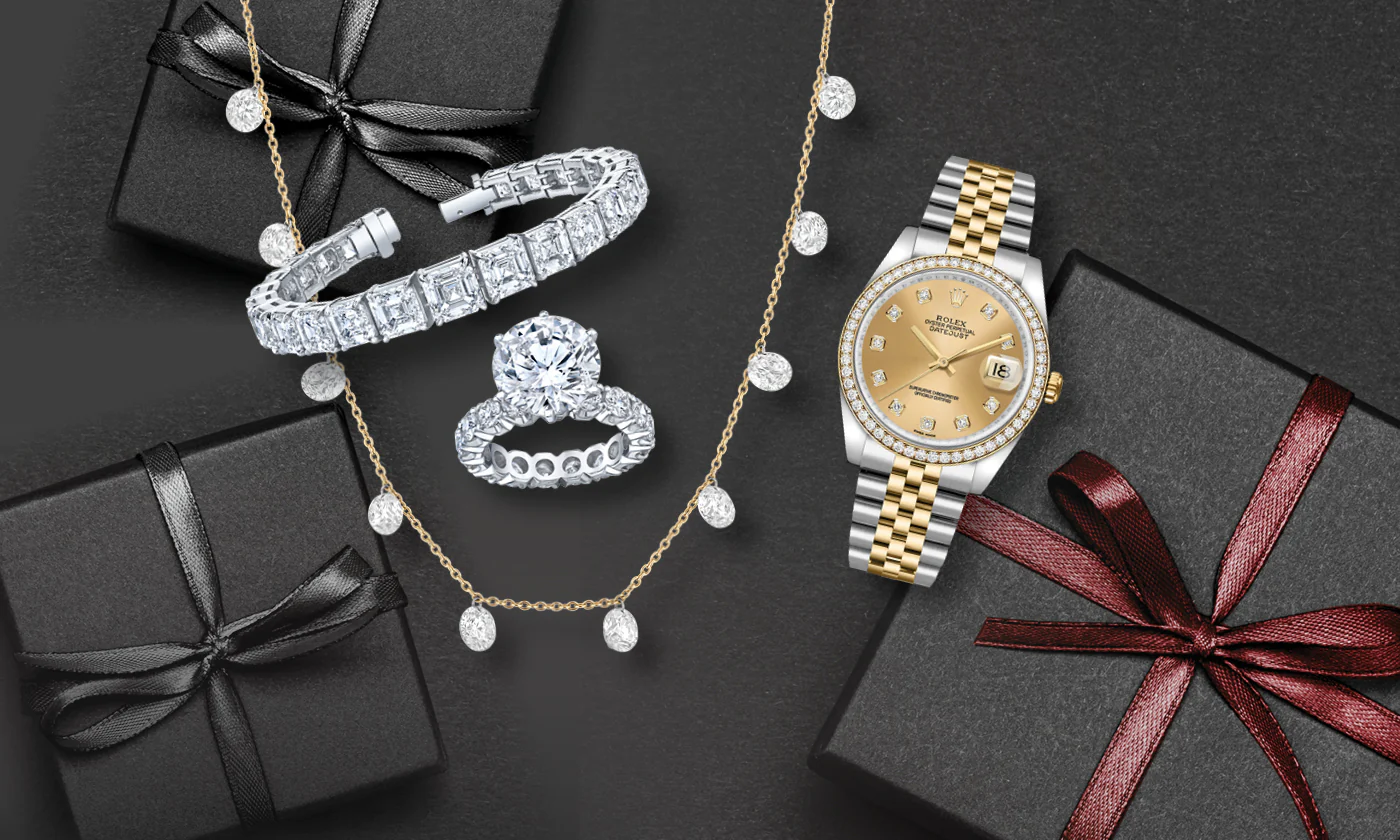
Jewelry & Watches
16/06/2026
8 min read
The Ultimate Guide to Choosing the Best Jewelry & Watches for Every Occasion
In the realm of personal adornment, jewelry and watches stand as timeless symbols of style, sentiment, and sophistication. More than mere accessories, they are extensions of our personalities, markers of significant life events, and cherished heirlooms passed down through generations. Navigating the vast landscape of jewelry and watch options can be a delightful yet daunting task. Whether you're seeking the perfect engagement ring, a statement piece for a special event, a reliable everyday timepiece, or a thoughtful gift, understanding what constitutes "the best" requires a nuanced approach. This comprehensive guide will illuminate the key factors to consider, explore popular categories, and help you discover the ideal jewelry and watches to elevate your style and commemorate your most treasured moments.Understanding the Core Elements of Quality Jewelry
When we talk about the "best" jewelry, we're referring to pieces that not only possess aesthetic appeal but also exhibit superior craftsmanship, enduring materials, and thoughtful design.Precious Metals: The Foundation of Fine Jewelry
The metal used in jewelry forms its very foundation, influencing its durability, luster, and value.- Gold: Perhaps the most iconic precious metal, gold is prized for its warm hue and inherent value. It's rarely used in its pure 24-karat form for jewelry due to its softness. Instead, it's alloyed with other metals to increase its strength and durability. The karat system denotes the purity of gold:
- 24k Gold: Pure gold, 99.9% pure. Too soft for most jewelry.
- 22k Gold: 91.7% gold. Often used in Indian jewelry and for coins.
- 18k Gold: 75% gold. A popular choice for engagement rings and fine jewelry, offering a good balance of color and durability.
- 14k Gold: 58.3% gold. More durable than 18k, making it suitable for everyday wear. Available in yellow, white, and rose gold.
- 10k Gold: 41.7% gold. The most durable and affordable gold option, but with a less intense color.
- Platinum: A naturally white, dense, and highly durable metal, platinum is hypoallergenic and resistant to tarnishing. It's often considered more luxurious and is typically more expensive than gold. Its purity is usually marked as 950 platinum, meaning 95% pure.
- Silver: Sterling silver, which is 92.5% silver alloyed with 7.5% other metals (usually copper), is a beautiful and affordable option. It offers a bright, lustrous finish but can tarnish over time and requires occasional polishing.
- Palladium: A member of the platinum group metals, palladium is a naturally white metal that is lighter and harder than platinum. It's a more affordable alternative to platinum and is hypoallergenic.
Gemstones: The Heart of Brilliance
Gemstones add color, sparkle, and personality to jewelry. Their value is determined by the "4 Cs": cut, color, clarity, and carat weight.- Diamonds: The undisputed king of gemstones, diamonds are renowned for their unparalleled hardness, brilliance, and fire. The 4 Cs are crucial for understanding diamond quality and value.
- Colored Gemstones: A vast and vibrant spectrum of gemstones offers endless possibilities. Popular choices include:
- Sapphire: Known for its rich blue hue, but also found in other colors (except red, which is ruby). Sapphires are durable and beautiful.
- Ruby: The red variety of corundum, rubies are prized for their intense color and durability.
- Emerald: Famous for its deep green color, emeralds are less durable than diamonds, sapphires, and rubies due to inclusions.
- Amethyst: A popular purple quartz, known for its beautiful color and affordability.
- Garnet: A group of gemstones, most commonly known for their deep red color, but also available in other shades.
- Topaz: Comes in a variety of colors, with blue topaz being particularly popular.
- Aquamarine: A beautiful blue-green gemstone, reminiscent of the sea.
Craftsmanship and Design: The Art of Creation
The way a piece of jewelry is made significantly impacts its beauty and longevity.- Setting: The method used to secure a gemstone to the metal. Popular settings include:
- Prong Setting: Uses metal claws to hold the stone, allowing maximum light exposure for brilliance.
- Bezel Setting: A metal rim encircles the stone, offering excellent security.
- Pave Setting: Tiny diamonds are set very closely together, creating a glittering surface.
- Channel Setting: Gemstones are set in a groove of metal, creating a smooth, continuous line.
- Finishing: The polish and attention to detail applied to the metal. High-quality jewelry will have a smooth, even finish with no rough edges.
- Hallmarks: These small stamps indicate the metal purity (e.g., 14k, 925) and sometimes the maker's mark.
The Best Jewelry Styles for Every Occasion
Choosing the right jewelry depends heavily on the context and the statement you wish to make.Everyday Wear: Comfort and Durability
For daily adornment, prioritize pieces that are comfortable, durable, and complement your existing wardrobe.- Simple Stud Earrings: Diamonds, pearls, or colored gemstones set in gold or platinum are classic and versatile.
- Delicate Necklaces: A thin chain with a small pendant (a single initial, a tiny gemstone, or a symbolic charm) adds a subtle touch of elegance.
- Stackable Rings: Thin bands in different metals or with small gemstones can be mixed and matched for a personalized look.
- Classic Bracelets: A simple bangle, a thin chain bracelet, or a tennis bracelet (if durable enough for your lifestyle) are excellent choices.
Workplace Chic: Professional and Polished
Jewelry for the office should be understated yet sophisticated, conveying professionalism without being distracting.- Pearl Earrings: A timeless symbol of elegance, pearl studs or small pearl drops are always appropriate.
- Subtle Gemstone Pendants: A small sapphire, emerald, or amethyst pendant on a fine chain adds a pop of color.
- Minimalist Rings: A single band or a ring with a small, unobtrusive gemstone.
- Classic Watch: A sleek, professional timepiece is an essential accessory.
Evening Glamour: Statement and Sparkle
When the occasion calls for it, embrace bolder pieces that command attention and add a touch of luxury.- Statement Necklaces: Chokers, bib necklaces, or elaborate pendants can transform an outfit.
- Dangling Earrings: Gemstone drops, diamond chandeliers, or intricate metal designs add drama.
- Cocktail Rings: Large, eye-catching rings featuring significant gemstones or intricate designs.
- Cuff Bracelets: Wide, decorative bracelets in metal or adorned with gemstones.
Special Occasions & Milestones: Sentimental and Significant
These are the pieces that hold deep meaning, commemorating love, achievements, and life's most important moments.- Engagement Rings: The ultimate symbol of commitment, often featuring a diamond, but increasingly popular with colored gemstones. The setting, metal, and gemstone choice are deeply personal.
- Wedding Bands: Simple or intricately designed bands, often matching the engagement ring, symbolizing eternal union.
- Anniversary Gifts: Pieces that mark significant years, such as eternity bands, locket necklaces, or birthstone jewelry.
- Graduation Gifts: A classic watch, a meaningful pendant, or a piece of jewelry representing a future aspiration.
The Art of Choosing the Best Watches
A watch is more than a device for telling time; it's a statement of personal style, a testament to engineering, and often, a treasured heirloom. The "best" watch depends on your needs, preferences, and budget.Understanding Watch Movements: The Heartbeat of a Watch
The mechanism that powers a watch is its most fundamental component.- Mechanical Watches: These watches are powered by a wound spring.
- Manual-Winding: Requires the wearer to manually wind the crown regularly. Offers a connection to the watch's mechanics.
- Automatic (Self-Winding): Uses the wearer's natural movement to wind the mainspring, making it convenient for daily wear.
- Quartz Watches: Powered by a battery that sends electrical pulses to a quartz crystal, causing it to vibrate and drive the watch's hands. Generally more accurate and require less maintenance than mechanical watches.
Key Watch Features to Consider
Beyond the movement, several other factors contribute to a watch's functionality and appeal.- Case Material: Common materials include stainless steel (durable and affordable), titanium (lightweight and strong), gold (luxurious), and ceramic (scratch-resistant).
- Dial: The face of the watch. Consider legibility, design (e.g., minimalist, chronograph, moon phase), and complications (additional functions like date, day, stopwatch).
- Strap/Bracelet: Affects comfort and style. Options include leather (classic and versatile), stainless steel (durable and sporty), rubber (sporty and water-resistant), and fabric (casual and breathable).
- Water Resistance: Measured in meters or atmospheres (ATM). Essential for everyday wear and crucial for divers' watches. Even a basic level of water resistance protects against splashes and rain.
- Brand Reputation and Heritage: Established watch brands often have a long history of quality craftsmanship and innovation, contributing to their value and desirability.
Popular Watch Categories for Different Lifestyles
Matching a watch to your lifestyle ensures both practicality and aesthetic harmony.- Dress Watches: Characterized by slim profiles, clean dials, and elegant straps (often leather). Designed to be worn with formal attire.
- Sports Watches: Built for durability and functionality, often featuring robust cases, water resistance, rotating bezels, and luminous hands. Examples include dive watches and chronographs.
- Pilot Watches: Originally designed for aviators, these watches often feature large, highly legible dials, prominent crowns, and sometimes multiple time zones.
- Smartwatches: Modern timepieces that offer a range of digital features, including fitness tracking, notifications, and app integration.
- Everyday/Casual Watches: Versatile timepieces that can be worn for a variety of occasions, often balancing style and practicality.
Caring for Your Jewelry and Watches
Proper care ensures your treasured pieces retain their beauty and value for years to come.Jewelry Care
- Store jewelry separately in soft pouches or compartments to prevent scratching.
- Clean jewelry regularly with a soft cloth. For more thorough cleaning, use mild soap and water, and a soft brush for intricate pieces.
- Avoid exposing jewelry to harsh chemicals, perfumes, and lotions, as these can damage metals and gemstones.
- Have valuable pieces professionally inspected and cleaned periodically.
Watch Care
- Keep your watch clean by wiping it with a soft, dry cloth.
- For water-resistant watches, rinse with fresh water after exposure to salt water or chlorine.
- Avoid exposing mechanical watches to strong magnetic fields, which can affect their accuracy.
- Have mechanical watches serviced by a qualified watchmaker every 3-5 years to ensure optimal performance.
- For quartz watches, replace the battery when it runs out, ideally by a professional to avoid damaging the movement.