The Ultimate Guide to Navigating the Ever-Evolving World of Electronics
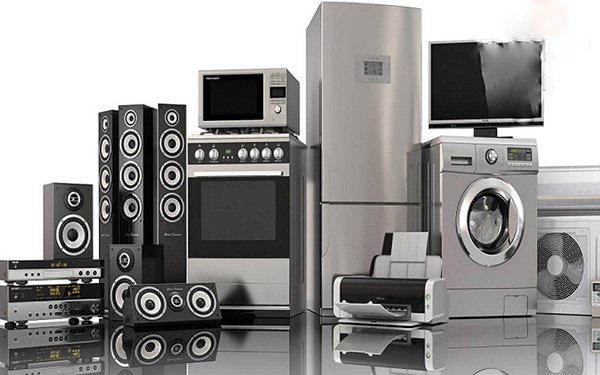
The realm of electronics is a dazzling, fast-paced universe. From the smartphones in our pockets to the smart home devices that streamline our lives, technology is no longer a luxury but an integral part of our daily existence. With an endless array of new gadgets, software updates, and emerging trends, keeping up can feel like a Herculean task. This comprehensive buying guide is designed to demystify the process, empowering you to make informed decisions and invest wisely in the electronic devices that best suit your needs and lifestyle.
Understanding Your Needs: The Foundation of Smart Electronics Purchases
Before diving headfirst into the sea of specifications and dazzling marketing jargon, the most crucial step is to understand your own requirements. What problem are you trying to solve? What task do you want to accomplish more efficiently? Answering these fundamental questions will act as your compass, guiding you towards the most relevant and beneficial electronic purchases.
Self-Assessment Questions to Guide Your Purchase:
- What is your primary use case? Are you a gamer, a student, a professional needing to boost productivity, a creative looking for tools, or someone simply seeking entertainment and connectivity?
- What is your budget? Be realistic about how much you're willing to spend. This will help narrow down your options significantly and prevent impulse buys that might lead to buyer's remorse.
- What is your current technological ecosystem? Do you primarily use Apple products, Android devices, or a mix? Compatibility can be a significant factor in user experience.
- What are your must-have features? List the non-negotiable functionalities you require. For example, for a laptop, this might be a long battery life, a specific screen size, or a powerful processor.
- What are your "nice-to-have" features? These are features that would be beneficial but not essential. They can be a tie-breaker between two similar products.
- What is your technical proficiency? Are you comfortable with complex settings and customization, or do you prefer a plug-and-play experience?
- How important is longevity and future-proofing? Are you looking for a device that will last for many years, or are you comfortable upgrading more frequently?
Decoding the Jargon: Key Specifications and Features to Look For
The world of electronics is awash with technical terms that can be intimidating. Understanding the basics of these specifications will empower you to compare products effectively and avoid being swayed by buzzwords.
Processors (CPUs): The Brains of the Operation
The processor is the central processing unit, responsible for executing instructions and performing calculations. For most users, understanding the brand (Intel, AMD, Apple's M-series) and the generation of the processor is sufficient. Higher core counts and clock speeds generally indicate better performance, but for everyday tasks, a mid-range processor is often more than adequate.
RAM (Random Access Memory): The Workspace
RAM is the temporary storage that your computer uses to run applications. More RAM allows you to multitask more effectively and run demanding programs smoothly. For general use, 8GB is a good starting point, while 16GB or more is recommended for power users, gamers, and creative professionals.
Storage: Where Your Data Lives
There are two primary types of storage:
- HDD (Hard Disk Drive): Traditional, mechanical drives that offer large capacities at a lower cost. They are slower than SSDs.
- SSD (Solid State Drive): Faster, flash-based storage that significantly improves boot times, application loading, and overall system responsiveness. Most modern devices utilize SSDs.
Consider the capacity you need based on your files (documents, photos, videos, games) and whether you require a combination of SSD for speed and HDD for bulk storage.
Displays: Your Window to the Digital World
When it comes to displays, several factors are important:
- Resolution: The number of pixels on the screen (e.g., Full HD (1920x1080), QHD (2560x1440), 4K (3840x2160)). Higher resolution means sharper images.
- Refresh Rate: How many times the screen updates per second (measured in Hz). A higher refresh rate (e.g., 120Hz) results in smoother motion, especially crucial for gaming and fast-paced content.
- Panel Type: IPS panels generally offer better color accuracy and viewing angles compared to TN panels. OLED displays provide superior contrast and deeper blacks.
- Brightness: Measured in nits, higher brightness is beneficial for use in well-lit environments.
Connectivity: Staying Connected
Ensure the device has the ports and wireless capabilities you need:
- USB Ports: USB-A, USB-C (with Thunderbolt support for faster data transfer and display output).
- HDMI/DisplayPort: For connecting to external monitors.
- Wi-Fi Standards: Wi-Fi 6/6E offers faster speeds and better performance in crowded networks.
- Bluetooth: For connecting wireless peripherals.
- Ethernet Port: For a stable wired internet connection.
Navigating Specific Electronics Categories
The electronics market is vast. Here's a look at some popular categories and what to consider when making a purchase.
Laptops and Computers: The Workhorses of Productivity
When choosing a laptop or desktop, consider your primary tasks. Students might prioritize portability and battery life, while professionals may need powerful processors and ample RAM for demanding software. Gamers will focus on dedicated graphics cards (GPUs) and high refresh rate displays.
Key Considerations for Laptops:
- Operating System: Windows, macOS, ChromeOS.
- Form Factor: Traditional laptop, 2-in-1 convertible, ultrabook.
- Keyboard and Trackpad: Essential for comfort and productivity.
- Webcam and Microphone: Important for video conferencing.
Smartphones and Tablets: Your Mobile Command Centers
These devices are all about portability, connectivity, and user experience. Key factors include camera quality, battery life, screen size and quality, processing power, and the operating system (iOS vs. Android).
Key Considerations for Smartphones and Tablets:
- Camera System: Megapixels, aperture, optical zoom, image stabilization, AI features.
- Battery Capacity: Measured in mAh, impacts daily usage.
- Display Technology: AMOLED, LCD, refresh rate.
- Storage Options: Internal storage and microSD card support.
- Build Quality and Durability: Materials, water and dust resistance (IP rating).
Televisions: The Heart of Home Entertainment
Choosing a TV involves considering screen size, resolution, display technology, smart TV features, and sound quality.
Key Considerations for Televisions:
- Screen Size: Depends on your room size and viewing distance.
- Resolution: 4K is standard, 8K is emerging.
- Display Technology: LED, QLED, OLED.
- HDR (High Dynamic Range): Enhances contrast and color.
- Smart TV Platform: Built-in apps and operating system.
- Refresh Rate and Motion Handling: For smooth visuals.
Audio Equipment: Immersive Sound Experiences
From headphones to speakers, audio quality is paramount. Consider the type of listening you do (casual, critical, active) and the desired form factor.
Key Considerations for Audio Equipment:
- Headphones: Over-ear, on-ear, in-ear (earbuds). Noise cancellation, wireless vs. wired, sound signature.
- Speakers: Portable Bluetooth speakers, bookshelf speakers, soundbars, home theater systems.
- Connectivity: Bluetooth, Wi-Fi, wired connections.
- Battery Life: For portable devices.
Smart Home Devices: Enhancing Convenience and Efficiency
Smart home technology encompasses a wide range of devices, from smart speakers and lighting to security cameras and thermostats. Compatibility with existing smart home ecosystems (Amazon Alexa, Google Assistant, Apple HomeKit) is crucial.
Key Considerations for Smart Home Devices:
- Voice Assistant Compatibility: Ensure it works with your preferred assistant.
- Connectivity: Wi-Fi, Bluetooth, Zigbee, Z-Wave.
- Ease of Installation and Setup: User-friendly interfaces.
- Privacy and Security: Understand data collection and security protocols.
- Integration with Other Devices: Create routines and automations.
The Importance of Reviews and Research
Once you've narrowed down your options, thorough research is your best friend. Don't rely solely on manufacturer specifications or marketing claims. Seek out reputable tech review websites, watch video reviews, and read user testimonials.
Where to Find Reliable Information:
- Tech Review Websites: Look for sites known for their in-depth, unbiased reviews.
- YouTube Tech Channels: Many creators offer hands-on reviews and comparisons.
- User Forums and Communities: Reddit, specific product forums, and tech enthusiast groups can provide real-world insights.
- Comparison Tools: Many retail websites offer tools to compare specifications side-by-side.
Considering Longevity and Sustainability
In an era of rapid technological advancement, it's increasingly important to consider the lifespan and environmental impact of your electronics purchases.
Tips for Sustainable Electronics Consumption:
- Choose Durable Products: Invest in well-built devices from reputable brands known for their longevity.
- Look for Repairability: Some manufacturers are making their devices easier to repair, extending their lifespan.
- Consider Refurbished or Certified Pre-Owned: This can be a cost-effective and environmentally friendly option.
- Proper Disposal: When a device reaches the end of its life, ensure it's recycled responsibly.
- Software Updates: Devices that receive regular software updates are more likely to remain secure and functional for longer.
Making the Final Decision
After careful consideration of your needs, understanding specifications, and conducting thorough research, you'll be well-equipped to make a confident purchasing decision. Remember that the "best" electronic device is subjective and depends entirely on your individual circumstances. Prioritize functionality, value for money, and a user experience that enhances your life.
The world of electronics is constantly evolving, offering exciting new possibilities. By approaching your purchases with a strategic and informed mindset, you can navigate this dynamic landscape with confidence, ensuring that your investments in technology truly serve your needs and enrich your digital life.