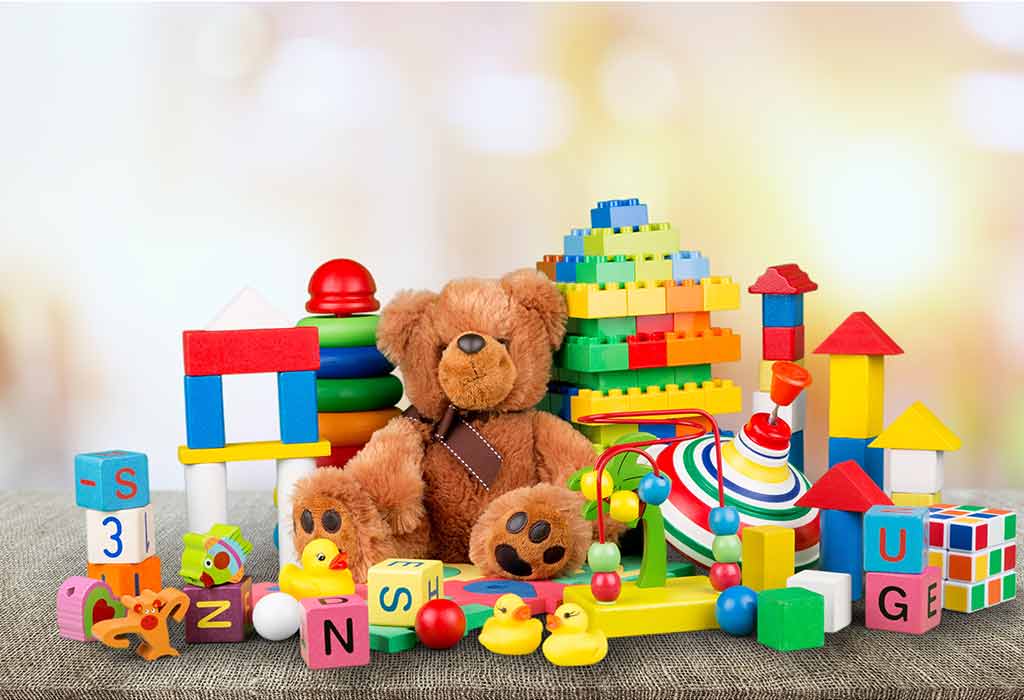
The Ultimate Toy Buying Guide: Sparking Joy and Development in Every Child
The world of toys is vast, vibrant, and ever-evolving. From classic wooden blocks that have stood the test of time to cutting-edge STEM kits that ignite young minds, choosing the right toys for a child can feel both exciting and overwhelming. More than just sources of entertainment, toys are powerful tools for learning, creativity, and development. They offer children a safe space to explore their imaginations, develop crucial motor skills, hone problem-solving abilities, and understand the world around them. This comprehensive guide is designed to help you navigate the diverse landscape of toys, ensuring you make informed choices that foster growth, spark joy, and create lasting memories.
Understanding the Importance of Play
Before diving into specific toy categories, it's essential to appreciate the profound impact of play on a child's development. Play isn't merely a pastime; it's a fundamental aspect of childhood that shapes cognitive, social, emotional, and physical well-being. Through play, children learn to:
- Develop Cognitive Skills: Problem-solving, critical thinking, memory, and language acquisition are all enhanced through engaging with toys.
- Foster Creativity and Imagination: Open-ended toys encourage children to invent scenarios, create stories, and think outside the box.
- Enhance Social and Emotional Intelligence: Playing with others teaches sharing, cooperation, empathy, and conflict resolution. It also provides an outlet for expressing emotions.
- Improve Motor Skills: From fine motor skills needed for manipulating small objects to gross motor skills developed through active play, toys contribute significantly to physical development.
- Build Resilience and Confidence: Successfully completing a puzzle, building a complex structure, or mastering a new game instills a sense of accomplishment and boosts self-esteem.
Choosing Toys Based on Age and Developmental Stage
The most crucial factor in selecting a toy is ensuring it's appropriate for the child's age and developmental stage. A toy that is too advanced can lead to frustration, while one that is too simple might not provide enough stimulation. Here's a general breakdown:
0-12 Months: Sensory Exploration and Basic Motor Skills
Infants are driven by sensory exploration. Toys at this stage should be safe, non-toxic, and offer a variety of textures, sounds, and bright colors. Focus on toys that encourage reaching, grasping, and kicking.
- Rattles and Soft Toys: Introduce gentle sounds and soft textures. Ensure they are easy to grasp and have no small, detachable parts.
- Activity Gyms and Play Mats: These provide a safe space for tummy time and encourage reaching for dangling toys, developing hand-eye coordination.
- Teethers: Essential for soothing sore gums, they also offer tactile exploration.
- Board Books with Textures: Introduce early literacy and sensory experiences.
1-3 Years: Exploration, Imitation, and Gross Motor Skills
Toddlers are becoming more mobile and curious about their surroundings. They love to imitate adults and explore cause-and-effect. Toys that encourage movement and imaginative play are ideal.
- Push and Pull Toys: Support walking and encourage outdoor exploration.
- Building Blocks (Large): Introduce basic construction and spatial reasoning.
- Shape Sorters and Puzzles (Simple): Develop problem-solving skills and fine motor control.
- Toy Kitchens and Utensils: Foster imaginative play and imitation of adult activities.
- Ride-on Toys: Enhance gross motor skills and balance.
- Bath Toys: Make bath time fun and educational, introducing concepts like floating and sinking.
3-5 Years: Imagination, Creativity, and Early Learning
Preschoolers are entering a phase of rich imaginative play and are beginning to grasp more complex concepts. They enjoy role-playing, storytelling, and hands-on activities.
- Dress-Up Clothes and Pretend Play Sets: Fuel imaginative scenarios and role-playing.
- Art Supplies (Crayons, Washable Markers, Play-Doh): Encourage creativity, fine motor skills, and self-expression.
- Building Blocks (Medium to Large): Allow for more complex structures and spatial reasoning.
- Puzzles (More Pieces): Develop problem-solving skills and visual discrimination.
- Early Board Games: Introduce concepts of turn-taking, rules, and simple strategy.
- Dolls and Action Figures: Facilitate storytelling and emotional expression.
6-8 Years: Logic, Strategy, and Skill Development
School-aged children are developing more sophisticated thinking skills. They enjoy challenges, learning new skills, and engaging in cooperative or competitive play.
- LEGOs and Construction Sets: Offer intricate building challenges and encourage spatial reasoning and planning.
- Strategy Board Games: Introduce logical thinking, planning, and decision-making.
- Science Kits (Simple Experiments): Spark curiosity about the natural world and scientific principles.
- Arts and Crafts Kits: Encourage detailed work, creativity, and the development of specific artistic skills.
- Sports Equipment: Promote physical activity, teamwork, and coordination.
- Chapter Books: Foster a love of reading and expand vocabulary.
9-12 Years: Complex Problem Solving, Hobbies, and Social Interaction
Pre-teens are capable of tackling more complex challenges and are often developing specific interests and hobbies. Social interaction becomes increasingly important.
- Advanced LEGO Technic or Creator Sets: Offer intricate engineering challenges.
- Strategy Board Games (More Complex): Require deeper strategic thinking and planning.
- Robotics Kits and Coding Toys: Introduce STEM concepts and computational thinking.
- Art and Craft Kits (More Advanced): Allow for more detailed projects like model building, painting, or jewelry making.
- Science Kits (Advanced Experiments): Explore more complex scientific concepts and phenomena.
- Books on Specific Interests: Cater to developing passions, whether it's history, fantasy, or science.
- Outdoor Adventure Gear: Encourage exploration and physical activity.
Exploring Different Toy Categories
Beyond age, considering the type of play a toy encourages can lead to a more balanced and enriching toy collection.
Creative and Arts & Crafts Toys
These toys empower children to express themselves and bring their ideas to life. They are excellent for developing fine motor skills, imagination, and self-expression.
- Play-Doh and Modeling Clay: Offers endless possibilities for sculpting and creating.
- Drawing and Painting Supplies: Crayons, markers, watercolors, and easels encourage visual expression.
- Craft Kits: From jewelry making to model building, these kits guide children through specific creative processes.
- Building and Construction Toys: LEGOs, Magna-Tiles, and wooden blocks are foundational for spatial reasoning and creative design.
Educational and STEM Toys
STEM (Science, Technology, Engineering, and Mathematics) toys are designed to introduce children to these critical fields in an engaging and hands-on way. They foster problem-solving, critical thinking, and a love for learning.
- Science Experiment Kits: Volcanoes, crystal growing, and basic chemistry sets make learning fun.
- Coding Robots and Toys: Introduce fundamental programming concepts through play.
- Building and Engineering Kits: Allow children to design and construct functional models.
- Math Manipulatives: Tools like pattern blocks and base-ten blocks help visualize mathematical concepts.
- Microscopes and Telescopes: Spark curiosity about the microscopic world and the cosmos.
Active and Outdoor Play Toys
Encouraging physical activity is vital for a child's health and development. These toys get children moving, improving their gross motor skills, coordination, and cardiovascular health.
- Balls: For kicking, throwing, and catching, promoting hand-eye coordination.
- Bicycles, Scooters, and Trikes: Develop balance, coordination, and stamina.
- Jump Ropes: Excellent for cardiovascular health and coordination.
- Kites: Encourage outdoor exploration and an understanding of wind.
- Outdoor Games: Frisbees, lawn games, and obstacle course elements promote active fun.
Imaginative and Role-Playing Toys
These toys allow children to step into different roles, create stories, and explore social dynamics. They are crucial for developing empathy, communication skills, and creativity.
- Dolls and Action Figures: Provide characters for storytelling and emotional exploration.
- Play Kitchens and Food Sets: Encourage imitation of adult roles and imaginative cooking.
- Dress-Up Clothes and Accessories: Transform children into different characters and scenarios.
- Toy Vehicles: Cars, trucks, trains, and planes fuel imaginative journeys and narratives.
- Puppets and Puppet Theaters: Facilitate storytelling and performance.
Puzzles and Games
Puzzles and board games are fantastic for developing problem-solving skills, strategic thinking, patience, and social interaction. They offer a screen-free way to challenge the mind.
- Jigsaw Puzzles: Range from simple to complex, improving spatial reasoning and fine motor skills.
- Logic Puzzles: Such as Sudoku or maze books, hone critical thinking.
- Board Games: From simple matching games for toddlers to complex strategy games for older children, they teach turn-taking, rule-following, and sportsmanship.
- Card Games: Develop memory, strategy, and quick thinking.
Safety First: Essential Considerations
When choosing any toy, safety should always be the paramount concern. Here are key safety aspects to look for:
- Age Appropriateness: As discussed, this is the first line of defense against choking hazards and developmentally unsuitable toys.
- Non-Toxic Materials: Ensure toys are made from safe, lead-free, and BPA-free materials, especially for younger children who may put toys in their mouths. Look for certifications like ASTM.
- No Small Parts: For children under three, avoid toys with small parts that can be easily detached and pose a choking hazard. The "small parts cylinder test" is a good benchmark – if a part fits inside, it's too small.
- Durable Construction: Toys should be well-made and able to withstand normal play without breaking into sharp or dangerous pieces.
- Sturdy Construction: Ensure that any moving parts or attachments are secure and unlikely to break off.
- Cleanliness and Hygiene: Consider how easy the toy is to clean, especially for items that will be used frequently or by younger children.
- Battery Compartment Security: For battery-operated toys, ensure the battery compartment is secured with a screw to prevent children from accessing batteries.
The Value of Open-Ended Toys
While specific, themed toys have their place, open-ended toys are invaluable for fostering creativity and adaptability. These are toys that don't have a single prescribed way to be used, allowing children to use their imagination to dictate the play.
- Building Blocks: Can become houses, cars, castles, or abstract sculptures.
- Play-Doh/Clay: Can be anything the child imagines.
- Scarf or Fabric: Can be a cape, a tent, a blanket, or a river.
- Cardboard Boxes: The ultimate blank canvas for forts, rockets, or vehicles.
- Natural Materials: Sticks, stones, and leaves can be incorporated into countless play scenarios.
These types of toys encourage children to think divergently, problem-solve in novel ways, and develop their own narratives, leading to deeper engagement and learning.
Conclusion: Investing in Play for a Brighter Future
Choosing toys is an opportunity to invest in a child's development, creativity, and happiness. By considering age-appropriateness, safety, and the developmental benefits of different categories, you can select toys that not only entertain but also educate and inspire. Remember that the most valuable toys are often those that encourage interaction, imagination, and exploration. Embrace the power of play, and watch as children discover, learn, and grow through the wonderful world of toys.