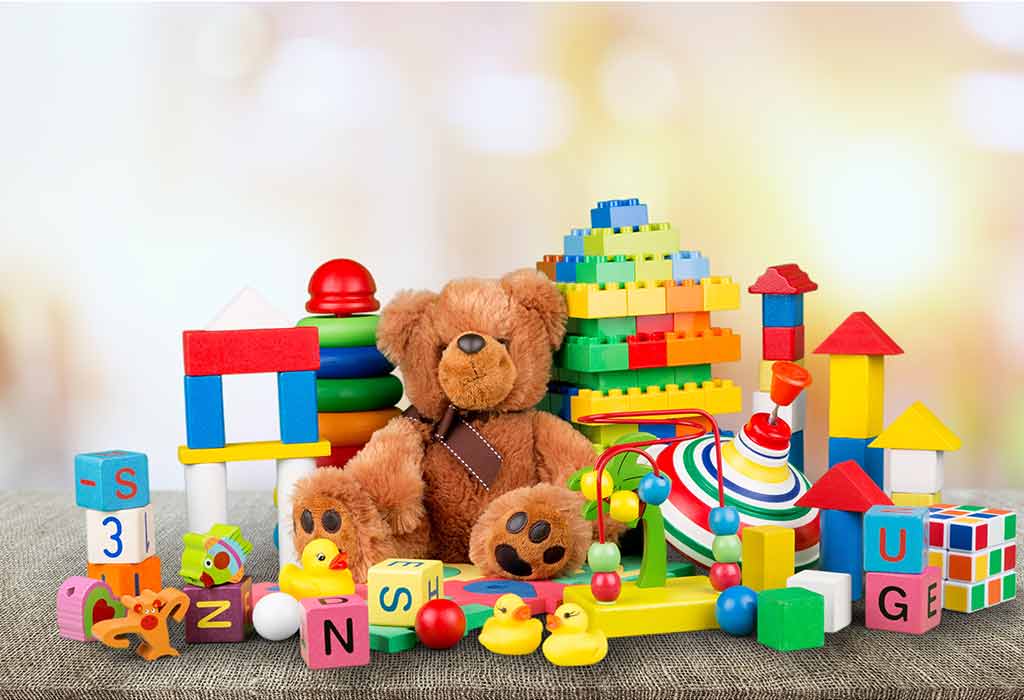
Wooden Toys vs. Plastic Toys: A Comprehensive Comparison for Discerning Parents
The world of children's toys is a vibrant and ever-evolving landscape. From the moment a child enters the world, they are met with a dazzling array of options designed to entertain, educate, and foster development. Among the most enduring and debated categories are wooden toys and plastic toys. Each offers a unique set of characteristics, appealing to different parental priorities and developmental stages. As parents, educators, and caregivers, making informed choices about the toys we bring into our children's lives is crucial. This article delves deep into a comprehensive comparison of wooden toys and plastic toys, exploring their benefits, drawbacks, and suitability for various aspects of a child's growth and play.
The Enduring Appeal of Wooden Toys
Wooden toys have graced nurseries and playrooms for generations, a testament to their timeless appeal and inherent qualities. Crafted from natural materials, they often evoke a sense of warmth, simplicity, and connection to nature. This connection is not merely aesthetic; it extends to the tactile experience and the inherent durability of well-made wooden toys.
Sustainability and Environmental Friendliness
One of the most significant advantages of wooden toys is their environmental footprint. Sourced from renewable resources, particularly sustainably managed forests, wood is a biodegradable material. Unlike plastic, which can take hundreds of years to decompose and contributes to landfill waste and microplastic pollution, wooden toys offer a more eco-conscious choice. Many manufacturers prioritize using non-toxic finishes and paints, further enhancing their eco-friendly credentials. For parents committed to reducing their environmental impact, wooden toys present a compelling option.
Durability and Longevity
High-quality wooden toys are built to last. Their robust construction can withstand the rigors of enthusiastic play, often being passed down from one child to another, or even to subsequent generations. This longevity makes them a cost-effective investment over time, despite a potentially higher upfront cost compared to some plastic alternatives. The inherent strength of wood means fewer broken pieces and less frequent replacement, contributing to less waste.
Sensory Experience and Development
The tactile nature of wood offers a unique sensory experience for children. The smooth grain, the weight of the material, and the natural variations in texture can stimulate a child's senses in ways that smooth, uniform plastic often cannot. This can be particularly beneficial for younger children, aiding in sensory exploration and the development of fine motor skills as they grasp, manipulate, and stack these objects. The natural scent of wood can also add another layer to the sensory play experience.
Open-Ended Play and Imagination
Many wooden toys are designed with simplicity in mind, eschewing flashing lights and pre-programmed sounds. This encourages open-ended play, where children are free to imbue the toys with their own narratives and purposes. A wooden block can be a building, a car, a phone, or anything else their imagination conjures. This type of play is crucial for fostering creativity, problem-solving skills, and independent thinking. Without the constraints of electronic features, children are empowered to be the architects of their own play scenarios.
Aesthetic Appeal
There's an undeniable aesthetic charm to wooden toys. Their natural beauty, often showcasing the wood grain, adds a touch of elegance to a playroom. They can blend seamlessly into home decor, offering a less visually cluttered and more calming environment compared to brightly colored, plastic-laden play spaces.
The Versatility and Accessibility of Plastic Toys
Plastic toys have become ubiquitous in modern childhood, offering a vast array of options that are often affordable, accessible, and packed with features. Their widespread availability and diverse functionalities have made them a staple in households worldwide.
Affordability and Accessibility
One of the primary advantages of plastic toys is their affordability. Mass production techniques allow for the creation of a wide variety of toys at competitive price points, making them accessible to a broader range of families. This affordability means parents can often purchase multiple toys to cater to different interests and developmental needs without breaking the bank.
Variety and Innovation
The world of plastic toys is incredibly diverse. From intricate action figures and elaborate dollhouses to electronic learning devices and construction sets, the sheer variety is staggering. Manufacturers constantly innovate, introducing new themes, characters, and interactive features that capture children's attention and align with current trends. This means there's a plastic toy for virtually every interest imaginable.
Durability and Ease of Cleaning
While some plastic toys can be brittle, many are designed for durability and can withstand rough play. Furthermore, plastic is generally easy to clean and sanitize, which is a significant advantage for parents concerned about hygiene, especially with younger children who are prone to putting toys in their mouths. A quick wipe-down is often all that's needed to keep them in good condition.
Interactive Features and Educational Value
Many plastic toys are designed with interactive elements, such as lights, sounds, and talking features. These can be highly engaging for children and, when thoughtfully designed, can offer educational benefits. Electronic learning toys, for example, can introduce concepts like letters, numbers, colors, and shapes in a fun and stimulating way. The immediate feedback provided by these toys can reinforce learning and keep children motivated.
Lightweight and Portable
Plastic toys are typically lightweight, making them easy for children to carry around and manipulate. This portability is also beneficial for parents, making it easier to pack toys for travel or outings. Smaller plastic toys can also be less intimidating for very young children to handle.
Key Differences and Considerations
When comparing wooden and plastic toys, several key distinctions emerge, influencing their suitability for different ages, developmental goals, and parental preferences.
Environmental Impact: A Stark Contrast
The most significant divergence lies in their environmental impact. Wooden toys, when sourced responsibly, offer a sustainable and biodegradable alternative. Plastic toys, conversely, contribute to plastic waste and pollution, posing long-term environmental challenges. This is a crucial consideration for environmentally conscious families.
Durability and Longevity: Investment vs. Replacement
Wooden toys often boast superior longevity, becoming heirloom pieces. While many plastic toys are durable, they are also more prone to breakage and obsolescence, leading to a cycle of replacement. The long-term cost-effectiveness can lean towards wooden toys, despite their higher initial price.
Sensory and Imaginative Play: Simplicity vs. Stimulation
Wooden toys excel at fostering open-ended, imaginative play through their simple, tactile nature. Plastic toys, with their often complex features and electronic components, can be more stimulating but may also lead to more passive or directive play. The choice here depends on whether the goal is to encourage unadulterated creativity or provide more guided learning experiences.
Safety and Materials: Natural vs. Chemical Concerns
While both types of toys can be safe, the materials used are a point of consideration. Wooden toys are generally made from natural materials, but it's important to ensure they are finished with non-toxic paints and sealants. Plastic toys, on the other hand, can sometimes contain chemicals like BPA, phthalates, and PVC, which have raised health concerns. Opting for BPA-free and phthalate-free plastics is essential when choosing plastic toys.
Cost and Accessibility: Budget vs. Investment
Plastic toys generally win on affordability and immediate accessibility, allowing for a wider selection for a given budget. Wooden toys often represent a higher initial investment but can prove more economical in the long run due to their durability and timeless appeal.
Making the Right Choice for Your Child
Ultimately, the "better" choice between wooden and plastic toys is not a one-size-fits-all answer. It depends on a variety of factors, including your child's age and developmental stage, your family's values, your budget, and your specific play goals.
For Infants and Toddlers: Focus on Sensory Exploration and Safety
For the youngest children, the tactile and sensory benefits of wooden toys are particularly valuable. Simple wooden rattles, stacking rings, and shape sorters provide excellent opportunities for sensory exploration and the development of fine motor skills. Ensuring all toys are free from small, detachable parts is paramount for safety.
For Preschoolers: Balancing Imagination and Learning
Preschoolers benefit from a mix of both. Wooden blocks, play kitchens, and figures encourage imaginative and social play. Meanwhile, age-appropriate plastic learning toys can introduce foundational academic concepts in an engaging way. The key is to select toys that align with their developing interests and cognitive abilities.
For School-Aged Children: Diverse Interests and Skill Development
As children grow, their toy preferences diversify. Both wooden and plastic toys can cater to these interests. Complex wooden construction sets can challenge problem-solving skills, while intricate plastic building kits or science-based toys can spark curiosity in specific subjects. Encouraging a balance between creative, open-ended play and more structured learning experiences is beneficial.
Consider a Blend: The Best of Both Worlds
Many families find that a balanced approach, incorporating both wooden and plastic toys, offers the most comprehensive play experience. This allows children to benefit from the unique advantages of each material. For example, a playroom might feature a collection of durable wooden building blocks alongside an interactive electronic learning toy that introduces coding concepts.
Conclusion: A Thoughtful Approach to Play
The debate between wooden and plastic toys highlights the diverse considerations parents face when curating their child's play environment. Wooden toys offer a timeless, sustainable, and sensory-rich experience that fosters imagination and durability. Plastic toys provide unparalleled variety, affordability, and interactive features that can support learning and cater to a wide range of interests. By understanding the strengths and weaknesses of each, parents can make informed decisions that best support their child's development, creativity, and overall well-being, ensuring that playtime is not only fun but also enriching and aligned with family values.