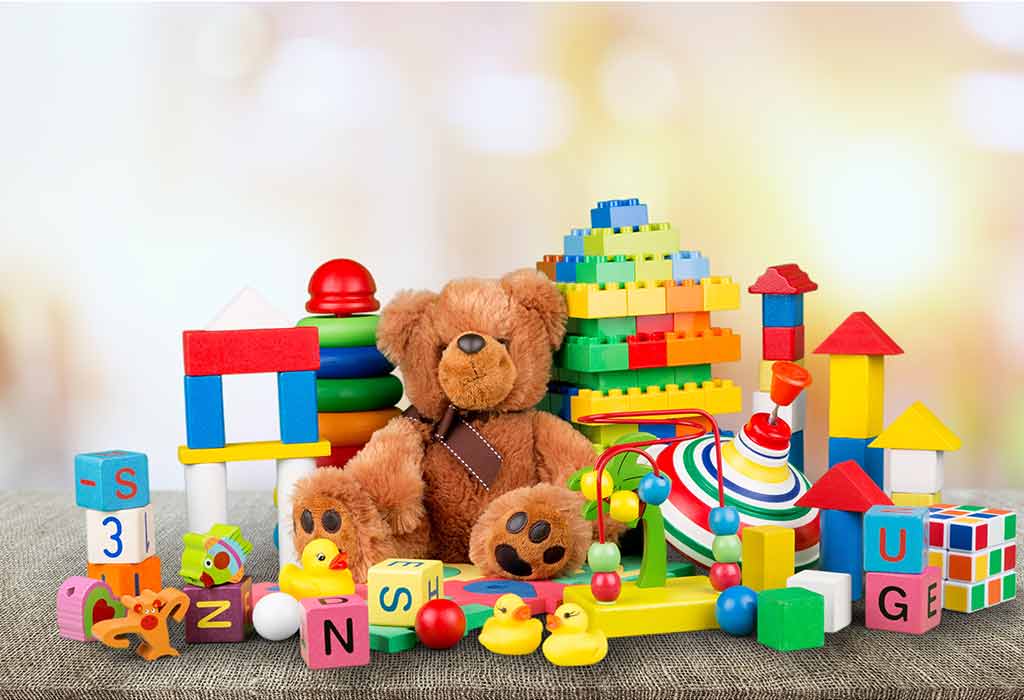
Toys
22/06/2026
10 min read
The Best Toys for Every Age: Sparking Joy and Development
Choosing the right toy can feel like a monumental task. With an overwhelming array of options, it's easy to get lost in a sea of flashing lights and plastic. But beyond the immediate fun, toys play a crucial role in a child's development, fostering creativity, problem-solving skills, social interaction, and motor development. Whether you're a parent, grandparent, or gift-giver, understanding what makes a toy "best" for a particular age group is key to unlocking a world of learning and imaginative play. This guide delves into the top toy recommendations across various developmental stages, focusing on toys that offer enduring appeal, educational value, and opportunities for growth. We'll explore how different types of play contribute to a child's well-being and highlight specific examples that consistently stand out for their quality and impact.The Importance of Play in Child Development
Before we dive into specific toy recommendations, it's essential to understand *why* play is so vital. Play isn't just a pastime; it's the primary way children learn about themselves, others, and the world around them. * **Cognitive Development:** Toys that encourage problem-solving, critical thinking, and memory recall help build essential cognitive skills. Puzzles, building blocks, and board games are excellent examples. * **Social and Emotional Development:** Through play, children learn to share, cooperate, negotiate, and understand different perspectives. Role-playing toys, dolls, and group games are particularly beneficial. * **Physical Development:** Fine motor skills are honed through activities like manipulating small objects, drawing, and building. Gross motor skills are developed through active play with balls, ride-on toys, and outdoor equipment. * **Language and Communication:** Engaging with toys, especially during pretend play, encourages children to develop their vocabulary, storytelling abilities, and communication skills. * **Creativity and Imagination:** Open-ended toys that can be used in multiple ways – like blocks, art supplies, or dress-up clothes – fuel a child's imagination and allow them to create their own worlds and narratives.Best Toys for Infants (0-12 Months): Exploring the Senses
Infants are in a period of rapid sensory exploration and foundational learning. Toys for this age group should be safe, stimulating, and encourage the development of basic motor skills and sensory awareness.Key Developmental Focus:
- Sensory exploration (sight, sound, touch)
- Gross motor skills (reaching, grasping, kicking)
- Fine motor skills (grasping, manipulating)
- Cause and effect understanding
Top Toy Categories for Infants:
Rattles and Grasping Toys
These are often the first toys an infant interacts with. They should be lightweight, easy to hold, and produce gentle sounds. Look for toys with different textures to stimulate tactile senses.- Why they're great: Help develop grasping reflex, hand-eye coordination, and auditory discrimination.
- What to look for: BPA-free materials, no small parts that could be a choking hazard, varied textures and sounds.
Soft Building Blocks
Larger, soft blocks are perfect for little hands to grasp and stack (or knock down!). They provide a safe introduction to construction play.- Why they're great: Encourage fine motor skills, spatial reasoning, and early understanding of balance.
- What to look for: Washable materials, bright colors, and varying shapes.
Activity Gyms and Play Mats
These offer a multi-sensory experience with dangling toys, different textures, and mirrors. They encourage tummy time, reaching, and kicking.- Why they're great: Promote gross motor development, visual tracking, and sensory stimulation.
- What to look for: Secure attachments for toys, comfortable padding, and age-appropriate dangling elements.
Board Books with Textures and Sounds
Early exposure to books is crucial. Board books are durable, and those with tactile elements or gentle sounds can captivate an infant's attention and introduce them to the joy of reading.- Why they're great: Develop early literacy skills, sensory engagement, and a love for books.
- What to look for: Sturdy pages, engaging illustrations, and safe tactile elements.
Best Toys for Toddlers (1-3 Years): Active Exploration and Imagination
Toddlers are characterized by their boundless energy and burgeoning independence. This is a time of significant physical and cognitive leaps, where toys that encourage active play, imaginative scenarios, and early problem-solving are paramount.Key Developmental Focus:
- Gross motor skills (walking, running, climbing)
- Fine motor skills (stacking, sorting, manipulating)
- Language development and vocabulary expansion
- Imaginative play and pretend scenarios
- Problem-solving and cause-and-effect
Top Toy Categories for Toddlers:
Building Blocks (Larger Sizes)
From classic wooden blocks to larger plastic interlocking bricks, these are foundational for toddler development. They encourage creativity, spatial awareness, and fine motor skills.- Why they're great: Foster creativity, problem-solving, and hand-eye coordination.
- What to look for: Chunky, easy-to-handle pieces, vibrant colors, and durable materials.
Ride-On Toys and Push Cars
These toys allow toddlers to explore their environment actively, developing gross motor skills and a sense of independence.- Why they're great: Enhance balance, coordination, and leg strength.
- What to look for: Stable designs, easy steering, and age-appropriate height.
Shape Sorters and Stacking Toys
These classic toys help toddlers develop fine motor skills, shape and color recognition, and early problem-solving abilities as they figure out how pieces fit together.- Why they're great: Improve fine motor control, shape and color identification, and logical thinking.
- What to look for: Smooth edges, clearly defined shapes, and a good variety of sorting challenges.
Pretend Play Items (Kitchens, Tools, Dolls)
Toddlers love to imitate the adults around them. Play kitchens, tool sets, and dolls encourage role-playing, which is crucial for social and emotional development and language skills.- Why they're great: Stimulate imagination, develop social skills, and expand vocabulary through role-playing.
- What to look for: Realistic-looking accessories, durable construction, and open-ended play possibilities.
Simple Puzzles
Chunky puzzles with large knobs and few pieces are perfect for introducing toddlers to the concept of putting pieces together to form a whole.- Why they're great: Develop problem-solving skills, fine motor control, and shape recognition.
- What to look for: Large knobs for easy gripping, 2-6 pieces, and clear images.
Best Toys for Preschoolers (3-5 Years): Fostering Imagination and Learning
Preschoolers are entering a phase where their imaginations soar, and they begin to grasp more complex concepts. Toys at this age should encourage creative expression, early literacy and numeracy skills, and social interaction.Key Developmental Focus:
- Advanced imaginative and pretend play
- Early literacy and numeracy skills
- Problem-solving and critical thinking
- Fine and gross motor skill refinement
- Social skills (sharing, cooperation)
Top Toy Categories for Preschoolers:
Building Sets (LEGO DUPLO, Magna-Tiles)
These versatile building toys allow for increasingly complex creations, fostering spatial reasoning, creativity, and fine motor skills.- Why they're great: Encourage complex construction, problem-solving, and fine motor dexterity.
- What to look for: A good variety of shapes and sizes, compatibility with other sets, and durable construction.
Art Supplies (Crayons, Markers, Paint, Play-Doh)
Open-ended art materials allow preschoolers to express themselves creatively, develop fine motor skills, and explore color and texture.- Why they're great: Promote creativity, self-expression, and fine motor development.
- What to look for: Non-toxic, washable materials, a wide range of colors, and age-appropriate tools.
Dress-Up Clothes and Props
Encouraging role-playing through costumes and props allows preschoolers to explore different characters and scenarios, boosting their imagination and social-emotional understanding.- Why they're great: Fuel imagination, develop storytelling skills, and foster empathy through role-playing.
- What to look for: Comfortable, easy-to-wear costumes and a variety of props to inspire different characters.
Educational Board Games and Puzzles
Simple board games and puzzles with themes like matching, counting, or simple strategy can introduce early learning concepts in a fun, engaging way.- Why they're great: Teach early math and literacy concepts, turn-taking, and strategic thinking.
- What to look for: Clear rules, engaging themes, and age-appropriate challenges.
Action Figures and Dolls with Accessories
These toys allow for narrative play and the development of social skills as children create stories and interact with their characters.- Why they're great: Support imaginative storytelling, emotional expression, and social interaction.
- What to look for: Durable figures with movable parts and accessories that enhance play scenarios.
Best Toys for Early School Age (6-8 Years): Developing Skills and Interests
Children in this age group are becoming more independent learners and are developing specific interests. Toys that challenge them intellectually, encourage creativity, and foster teamwork are ideal.Key Developmental Focus:
- Advanced problem-solving and critical thinking
- Developing specific interests and hobbies
- Fine motor skills for writing and detailed tasks
- Teamwork and social cooperation
- Reading comprehension and mathematical skills
Top Toy Categories for Early School Age:
Complex Building Sets (LEGO Technic, K'NEX)
These sets introduce more intricate building techniques, gears, and mechanisms, fostering engineering and problem-solving skills.- Why they're great: Develop engineering principles, spatial reasoning, and advanced problem-solving.
- What to look for: Clear instructions, a good range of specialized pieces, and opportunities for creative modification.
Science Kits and Experiment Sets
Hands-on science kits allow children to explore concepts in chemistry, physics, biology, and more in a safe and engaging way.- Why they're great: Spark curiosity about science, encourage experimentation, and teach scientific principles.
- What to look for: Clear instructions, safe materials, and a focus on observable results.
Strategy Board Games
More complex board games that require strategic thinking, planning, and decision-making are excellent for this age group.- Why they're great: Enhance strategic thinking, planning, and problem-solving abilities.
- What to look for: Engaging themes, clear rules, and a good balance of luck and strategy.
Art and Craft Kits
From pottery wheels to jewelry making, these kits allow children to explore various artistic mediums and develop detailed fine motor skills.- Why they're great: Foster creativity, develop fine motor skills, and allow for the creation of tangible projects.
- What to look for: High-quality materials, clear instructions, and a satisfying end product.
Coding and Robotics Toys
Introducing basic coding concepts through interactive toys can build foundational skills for the digital age in a fun, hands-on manner.- Why they're great: Introduce computational thinking, problem-solving, and basic programming concepts.
- What to look for: Intuitive interfaces, engaging challenges, and clear learning progression.
Best Toys for Older Children (9+ Years): Deepening Interests and Challenges
As children enter their pre-teen and teenage years, their toy preferences often shift towards more complex challenges, skill-building activities, and items that align with their developing hobbies and interests.Key Developmental Focus:
- Advanced problem-solving and critical thinking
- Developing specialized skills and hobbies
- Independent learning and research
- Complex social interaction and teamwork
- Creative expression and design
Top Toy Categories for Older Children:
Advanced STEM Kits
These kits delve deeper into specific scientific or engineering fields, offering complex projects that require research, planning, and execution.- Why they're great: Provide in-depth learning in specific STEM areas, fostering critical thinking and problem-solving.
- What to look for: Challenging projects, detailed explanations, and opportunities for independent exploration.
Strategy and Complex Board Games
Games that involve intricate rules, long-term planning, and complex decision-making are perfect for this age group.- Why they're great: Develop advanced strategic thinking, planning, and complex problem-solving skills.
- What to look for: Engaging narratives, deep gameplay, and replayability.
Model Building and Hobby Kits
Whether it's detailed model airplanes, intricate puzzles, or electronic kits, these activities cater to developing patience, precision, and a passion for detail.- Why they're great: Cultivate patience, precision, fine motor skills, and a sense of accomplishment.
- What to look for: High-quality components, detailed instructions, and a rewarding final product.
Creative Design and Digital Art Tools
For the budding artist or designer, tools that allow for digital creation, 3D printing, or advanced crafting can be incredibly engaging.- Why they're great: Foster digital literacy, creative expression, and design thinking.
- What to look for: User-friendly interfaces, robust features, and opportunities for innovative creation.
Outdoor and Active Gear
As children become more independent, quality sports equipment, adventure gear, or items that encourage exploration can be highly valued.- Why they're great: Promote physical health, resilience, and a connection with the outdoors.
- What to look for: Durability, safety features, and suitability for specific activities.