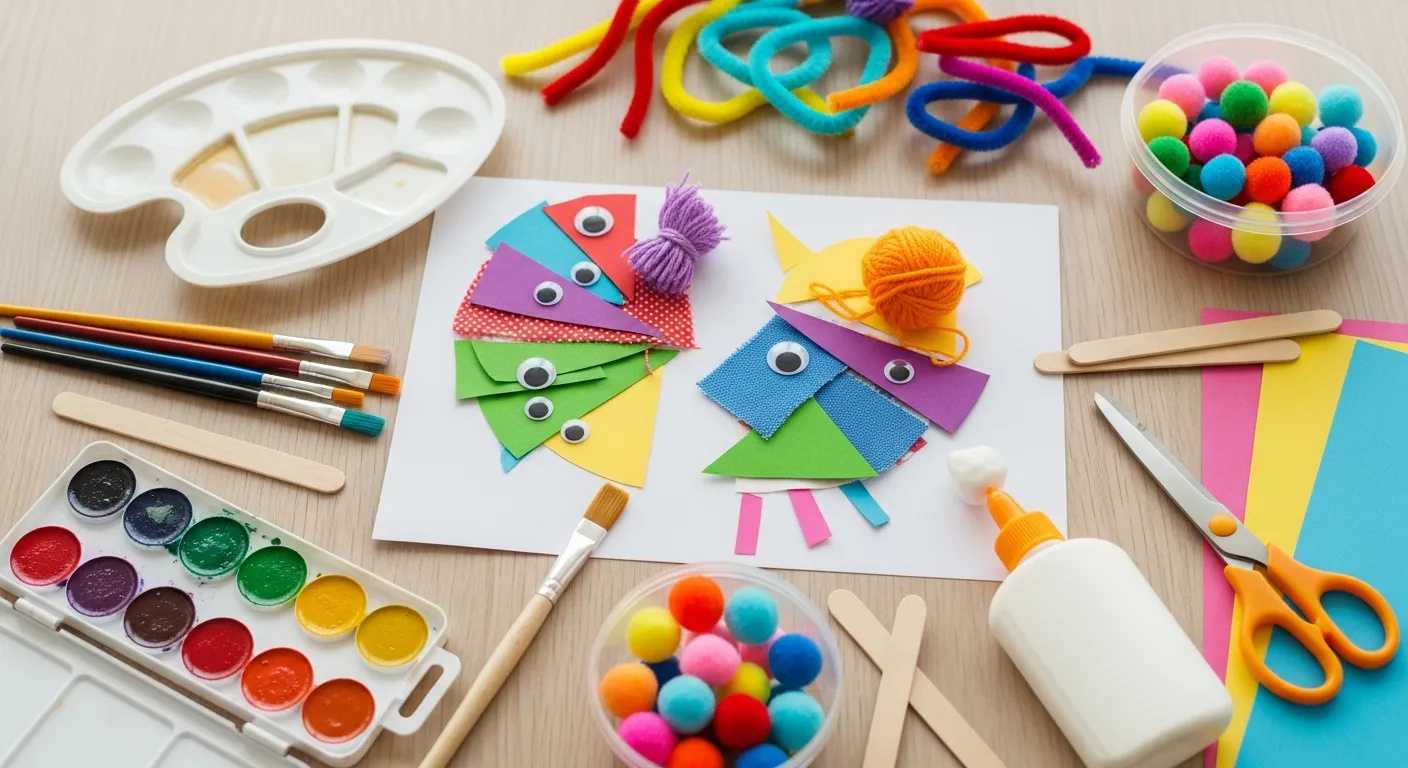
The Ultimate Guide to Choosing the Perfect Art & Crafts Supplies
Embarking on a creative journey is an exciting endeavor, whether you're a seasoned artist or just beginning to explore your artistic potential. The world of art and crafts offers a boundless playground for self-expression, relaxation, and the joy of bringing ideas to life. However, navigating the vast array of supplies can feel overwhelming. This comprehensive buying guide is designed to demystify the process, helping you select the ideal tools and materials to fuel your creativity and achieve your artistic aspirations.
Understanding Your Creative Goals: What Do You Want to Make?
Before diving into the aisles or scrolling through online catalogs, the most crucial step is to define your creative goals. What kind of art or crafts are you interested in pursuing? Your intended projects will dictate the specific supplies you'll need. Consider the following common categories:
Drawing and Sketching
The foundation of many artistic disciplines, drawing and sketching require a focused set of tools. These can range from simple graphite pencils to a full spectrum of colored pencils, pastels, and charcoal.
- Pencils: Graphite pencils come in various hardness grades (H for hard, B for black/soft). An HB pencil is a good starting point for general sketching, while softer B pencils are ideal for shading and darker tones, and harder H pencils are excellent for fine lines and technical drawing.
- Colored Pencils: Available in wax-based or oil-based formulations, colored pencils offer vibrant hues and smooth blending capabilities. Consider sets with a wide range of colors for greater versatility.
- Pastels: Soft pastels offer a chalky texture and are known for their rich color saturation and ability to blend seamlessly. Oil pastels provide a waxier consistency, allowing for more opaque application and layering.
- Charcoal: Compressed charcoal sticks and pencils create deep blacks and dramatic shading. Vine charcoal is softer and easier to blend, ideal for preliminary sketches.
- Paper: The type of paper is critical. Sketchbooks with heavier paper (around 80-100 lb) are suitable for pencils and light washes. Bristol board is smooth and ideal for ink drawings and detailed work.
Painting
Painting is a dynamic medium that allows for a wide range of expressive techniques. The choice of paint and surface will significantly impact your results.
- Watercolor: Known for its transparency and luminous qualities, watercolor paints are activated with water. They are best suited for absorbent papers.
- Pans vs. Tubes: Pan watercolors are dried cakes that are rehydrated with water, convenient for portability. Tube watercolors are more concentrated and offer a wider range of hues, ideal for mixing larger quantities.
- Brushes: Natural hair brushes (like sable) are excellent for watercolor due to their water-holding capacity. Synthetic brushes are also a good option and are often more affordable.
- Paper: Cold-press watercolor paper is the most common, offering a slightly textured surface. Hot-press paper is smoother, while rough paper has a more pronounced texture.
- Acrylics: Versatile and fast-drying, acrylic paints can be used on a variety of surfaces and can mimic the appearance of both oils and watercolors depending on the medium used.
- Pigment Quality: Artist-grade acrylics offer higher pigment concentration and better lightfastness than student-grade paints.
- Brushes: Stiff synthetic brushes are generally recommended for acrylics as they can withstand the thicker consistency of the paint.
- Surfaces: Canvas, wood panels, and heavy paper are all suitable for acrylic painting.
- Oils: Renowned for their rich colors, slow drying time, and ability to blend seamlessly, oil paints offer a luxurious painting experience.
- Mediums: Various mediums (like linseed oil or turpentine) are used to alter the consistency, drying time, and finish of oil paints.
- Brushes: Hog bristle brushes are traditional for oils, offering good control and texture. Soft synthetic brushes can also be used for smoother applications.
- Surfaces: Primed canvas and wood panels are the most common surfaces for oil painting.
Crafting and Mixed Media
This broad category encompasses a vast array of creative pursuits, from scrapbooking and cardmaking to jewelry making, textile arts, and sculptural projects.
- Adhesives: The right adhesive is crucial for any craft project. Options include glue sticks, liquid glues (PVA, fabric glue), spray adhesives, and double-sided tape. Consider the materials you'll be joining when making your selection.
- Cutting Tools: Precision is key in many crafts. Essential tools include craft knives (X-Acto knives), scissors (including detail scissors and fabric shears), and paper cutters.
- Embellishments: These are the decorative elements that add personality and flair to your creations. Think beads, buttons, ribbons, glitter, stamps, stickers, and found objects.
- Cardstock and Paper: For scrapbooking, cardmaking, and paper crafts, a wide variety of cardstock and decorative papers are available in different weights, textures, and patterns.
- Fabric and Thread: For sewing, embroidery, and other textile arts, you'll need fabric (cotton, linen, silk, etc.) and a selection of threads in various colors and weights.
- Clay: For sculpting and pottery, polymer clay is a popular choice for its versatility and oven-bake hardening. Air-dry clay is another option for projects that don't require baking.
Key Factors to Consider When Buying Art & Crafts Supplies
Once you have a general idea of your creative direction, several factors will influence your purchasing decisions:
Quality vs. Price: Finding the Right Balance
This is often the most significant consideration. Art and craft supplies fall into different quality tiers, from student-grade to professional-grade.
- Student-grade supplies are generally more affordable and are excellent for beginners, practice, and experimentation. They may have less pigment concentration or be less durable.
- Artist-grade supplies are typically more expensive but offer superior quality, such as higher pigment load, better lightfastness (resistance to fading), and finer materials. These are ideal for experienced artists and for creating lasting works.
For beginners, it's wise to start with a moderate investment in good quality, versatile supplies rather than the cheapest options, which can be frustrating to work with and hinder your progress. As you develop your skills and discover your preferences, you can then invest in higher-end materials.
Intended Use and Durability
Consider how you intend to use your supplies. Are you creating pieces for personal enjoyment, or do you plan to exhibit or sell your work? For artworks intended to last, archival quality materials are essential. This includes acid-free paper, lightfast paints, and permanent adhesives.
Your Skill Level and Learning Curve
Some supplies are more forgiving and easier to learn with than others. For instance, acrylics are generally easier for beginners to master than oils due to their faster drying time and water solubility. Similarly, a good quality sketchbook with smooth paper can make drawing more enjoyable for a novice.
Brand Reputation and Reviews
Established brands in the art and craft industry often have a reputation for quality and consistency. Before making a significant purchase, research different brands and read reviews from other users. Online forums, art blogs, and product review websites can be invaluable resources.
Set vs. Individual Items
Many art and craft supplies are sold in sets, which can be a cost-effective way to acquire a range of colors or tools. However, be sure that the set contains colors or items you will actually use. Sometimes, purchasing individual items allows for more customization and avoids paying for colors you won't need.
Essential Tools for Every Artist and Crafter
Regardless of your specific discipline, certain tools are universally beneficial:
Basic Drawing and Sketching Kit
- A good quality sketchbook (with paper weight appropriate for your chosen medium)
- A set of graphite pencils (ranging from HB to 6B)
- An eraser (kneaded erasers are versatile)
- A pencil sharpener
Essential Painting Kit
- A small selection of brushes appropriate for your chosen paint type
- A palette for mixing paints (plastic, ceramic, or disposable paper palettes)
- A water container (for watercolors and acrylics) or solvent container (for oils)
- A surface to paint on (canvas, paper, or panel)
- Rags or paper towels for cleaning brushes and wiping excess paint
General Crafting Essentials
- Sharp scissors
- A craft knife and cutting mat
- A reliable adhesive (e.g., PVA glue, double-sided tape)
- A ruler
- A pencil and pen for marking
Where to Buy Art & Crafts Supplies
The availability of art and craft supplies has expanded significantly, offering various purchasing options:
Local Art Supply Stores
These stores often have knowledgeable staff who can offer personalized advice and recommendations. They are also great places to see and feel materials before buying.
Online Retailers
Online stores offer a vast selection and competitive pricing. They are convenient for browsing and comparing products from numerous brands. Many online retailers also provide customer reviews that can be helpful in your decision-making process.
Craft Stores and Big Box Retailers
These stores cater to a broader audience and offer a good selection of general crafting supplies, often at accessible price points. While they may not carry the most specialized or professional-grade art materials, they are excellent for beginners and everyday crafting needs.
Tips for Budget-Conscious Creatives
It's possible to create beautiful art and crafts without breaking the bank:
- Start Small: Don't feel the need to buy every color or every tool at once. Begin with the essentials and gradually build your collection.
- Look for Sales and Discounts: Keep an eye out for seasonal sales or promotions at your favorite retailers.
- Buy in Bulk When Appropriate: If you use certain consumables regularly (like sketch paper or certain paints), buying in larger quantities can often be more economical.
- Explore Secondhand Options: Sometimes, you can find excellent deals on used art supplies, especially for items like easels or storage solutions.
- DIY When Possible: For some craft projects, you might be able to create your own tools or embellishments from recycled materials.
Conclusion
Choosing the right art and crafts supplies is an integral part of your creative journey. By understanding your goals, considering key factors like quality and intended use, and being strategic in your purchasing, you can equip yourself with the tools that will not only facilitate your artistic expression but also bring you immense satisfaction. So, embrace the exploration, experiment with different materials, and most importantly, have fun bringing your creative visions to life!