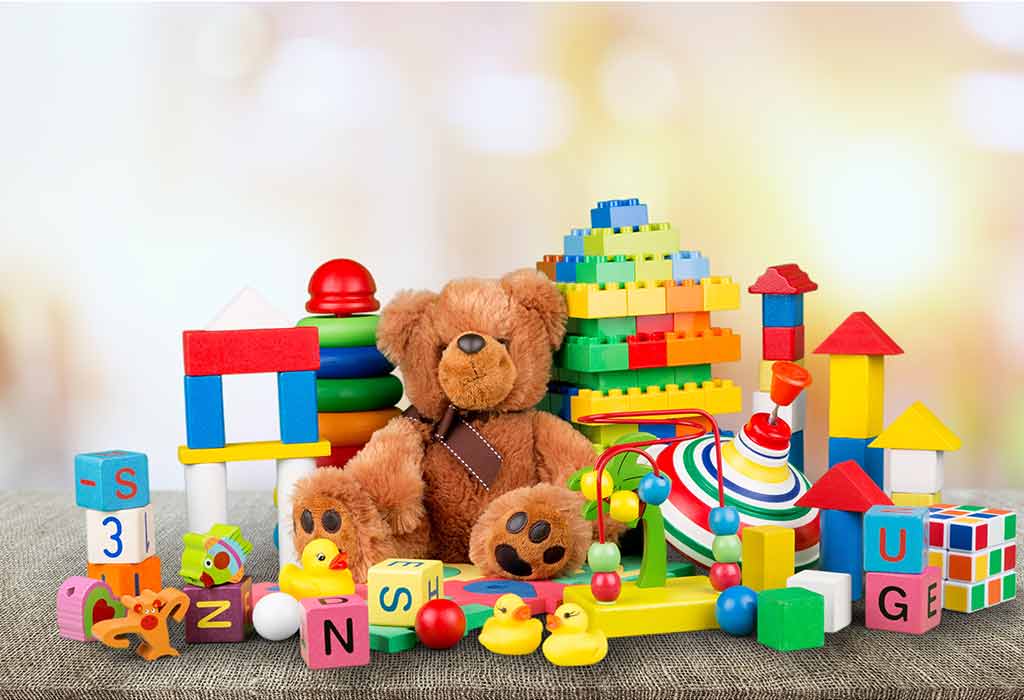
Wooden Toys vs. Plastic Toys: A Comprehensive Comparison for Conscious Consumers
The world of toys is a vibrant and ever-evolving landscape, offering children a gateway to imagination, learning, and development. As parents and caregivers, we're constantly seeking the best options for our little ones, balancing fun with factors like durability, safety, educational value, and environmental impact. Two of the most prevalent categories of toys you'll encounter are wooden toys and plastic toys. While both serve the fundamental purpose of play, they offer distinctly different experiences and come with their own set of advantages and disadvantages. This comprehensive comparison will delve into the nuances of wooden versus plastic toys, empowering you to make informed decisions for your child's playtime.
The Enduring Appeal of Wooden Toys
Wooden toys have a timeless charm that transcends fleeting trends. For generations, they have been a staple in nurseries and playrooms, cherished for their natural beauty, tactile qualities, and inherent durability. Their appeal lies not just in their aesthetic but also in the thoughtful way they often encourage open-ended play and foster a deeper connection with the natural world.
Craftsmanship and Aesthetics
One of the most striking aspects of wooden toys is their craftsmanship. Often made from sustainably sourced hardwoods like beech, maple, or birch, they possess a unique grain and warmth that plastic toys simply cannot replicate. The natural variations in wood create a sense of individuality in each piece, making them feel more like treasured heirlooms than mass-produced items. The smooth, polished finish of quality wooden toys is pleasing to the touch, inviting children to explore their textures and shapes. This tactile experience is crucial for sensory development, offering a different kind of engagement than the often uniform surfaces of plastic.
Durability and Longevity
Wooden toys are renowned for their exceptional durability. Unlike many plastic toys that can crack, break, or become brittle over time, well-made wooden toys can withstand rigorous play and last for decades, even being passed down through generations. This longevity makes them a more sustainable choice in the long run, reducing the need for frequent replacements. The robust nature of wood means that even if a toy develops a minor scratch or dent, it often adds to its character rather than detracting from its playability.
Educational and Developmental Benefits
Wooden toys are often designed with simplicity in mind, which, paradoxically, enhances their educational value. Their less prescriptive nature encourages children to use their imagination and creativity to invent their own games and scenarios. For example, a set of wooden blocks can become a castle, a car, a rocket ship, or anything else a child's mind can conjure. This type of open-ended play is vital for developing problem-solving skills, spatial reasoning, and abstract thinking. Many wooden toys also focus on foundational learning concepts, such as shape recognition, color matching, and simple mechanics, in a way that feels natural and engaging.
Environmental Considerations
The environmental footprint of wooden toys is a significant draw for eco-conscious consumers. When sourced from responsibly managed forests, wood is a renewable resource. The manufacturing process for wooden toys is generally less energy-intensive than for plastics, and they are often finished with non-toxic, water-based paints and sealants. At the end of their life, wooden toys are biodegradable, unlike plastic toys that can persist in landfills for hundreds of years. This inherent sustainability aligns with a growing desire to reduce our impact on the planet.
Safety Aspects
When it comes to safety, quality wooden toys are generally considered a very safe option. They are typically free from small parts that can be a choking hazard (though always check age recommendations) and are made from natural materials. The paints and finishes used on reputable wooden toys are almost always non-toxic and lead-free, ensuring that even if a child mouths the toy, it poses minimal risk. The solid construction also means they are less likely to splinter or break into sharp pieces compared to some lower-quality plastics.
The Versatility and Accessibility of Plastic Toys
Plastic toys have become ubiquitous in modern households, and for good reason. Their widespread availability, affordability, and the sheer variety of forms they can take have made them a go-to choice for many. Plastic offers incredible versatility in design and functionality, allowing for the creation of complex toys with lights, sounds, and intricate moving parts.
Innovation and Functionality
The inherent properties of plastic allow for a vast array of innovative toy designs. From intricate action figures with multiple points of articulation to electronic learning devices that respond to a child's input, plastic enables the creation of toys that engage children in new and exciting ways. The ability to mold plastic into virtually any shape allows for the creation of highly detailed replicas of vehicles, characters, and structures, which can be very appealing to children. The integration of electronics also opens up possibilities for interactive play, educational apps, and engaging sound and light features.
Affordability and Accessibility
One of the primary advantages of plastic toys is their affordability. Mass production techniques allow for the creation of a wide range of toys at accessible price points, making them available to a broader segment of the population. This accessibility means that children can enjoy a diverse collection of toys without a significant financial burden. They are also readily available in almost every retail store, making them convenient to purchase.
Durability (in some cases) and Ease of Cleaning
While not all plastic toys are created equal in terms of durability, many are designed to be quite robust and can withstand rough play. Certain types of plastic are very resilient and can handle being dropped or stepped on. Furthermore, plastic toys are generally very easy to clean. A quick wipe down with soap and water can sanitize them, making them a practical choice for busy households, especially for toys that might be used outdoors or shared among siblings.
Variety and Popular Culture Integration
The sheer variety of plastic toys on the market is staggering. From beloved cartoon characters and movie franchises to educational building sets and outdoor play equipment, there is a plastic toy to suit every interest and age group. This adaptability allows plastic toys to quickly capitalize on popular culture trends, ensuring that children can engage with their favorite characters and stories through play. This can be a powerful motivator for imaginative play and storytelling.
Potential Drawbacks of Plastic Toys
Despite their advantages, plastic toys also come with significant considerations, particularly concerning their environmental impact and potential safety concerns. The production of plastic relies heavily on fossil fuels, and the disposal of plastic toys contributes to landfill waste and pollution. Furthermore, some plastics can contain harmful chemicals like BPA and phthalates, which have raised health concerns. While many manufacturers are phasing out these chemicals, it's always wise to look for toys made from BPA-free plastics and to check for relevant safety certifications.
Direct Comparison: Key Factors to Consider
To help you navigate the choices, let's break down the comparison across several key factors:
Durability and Longevity
- Wooden Toys: Generally more durable and long-lasting, often becoming heirlooms.
- Plastic Toys: Durability varies greatly by quality; can be prone to breaking or becoming brittle over time.
Environmental Impact
- Wooden Toys: Renewable resource, biodegradable, often lower manufacturing energy.
- Plastic Toys: Derived from fossil fuels, non-biodegradable, significant contribution to waste and pollution.
Educational Value and Play Style
- Wooden Toys: Encourage open-ended, imaginative play, sensory exploration, and foundational learning.
- Plastic Toys: Can offer more complex functionalities, electronic features, and integration with popular culture; can sometimes be more prescriptive.
Safety
- Wooden Toys: Generally very safe, made from natural materials, non-toxic finishes.
- Plastic Toys: Look for BPA-free and phthalate-free options; ensure no small, detachable parts for younger children.
Aesthetics and Tactile Experience
- Wooden Toys: Natural beauty, warm textures, unique grain.
- Plastic Toys: Can be brightly colored and molded into intricate shapes; tactile experience is often uniform.
Cost and Accessibility
- Wooden Toys: Can be more expensive upfront but offer better long-term value.
- Plastic Toys: Generally more affordable and widely accessible.
Making the Right Choice for Your Child
Ultimately, the "better" toy is subjective and depends on your priorities as a consumer and the needs of your child. Many families find that a balanced approach, incorporating both wooden and plastic toys, offers the richest play experience.
Consider Your Child's Age and Stage
For very young children, the simplicity and natural materials of wooden toys can be ideal for sensory exploration and early motor skill development. As children grow, the interactive features and complexity of some plastic toys can become more engaging. Always adhere to age recommendations provided by manufacturers.
Think About the Type of Play You Want to Encourage
If you prioritize imaginative, open-ended play and a connection with natural materials, wooden toys will likely be a strong contender. If your child is fascinated by specific characters, enjoys electronic gadgets, or you need durable toys for outdoor adventures, plastic toys might be more suitable.
Prioritize Quality and Safety
Regardless of the material, always opt for high-quality toys from reputable brands. Look for safety certifications (like CE marking in Europe or ASTM in the US) and ensure that any paints or finishes are non-toxic. For plastic toys, specifically seek out BPA-free and phthalate-free options.
Embrace a Mix-and-Match Approach
There's no need to choose one material exclusively. A thoughtfully curated toy collection can include the tactile warmth of wooden blocks, the creative possibilities of a plastic building set, the comfort of a plush toy, and the educational engagement of an electronic learning toy. Variety in materials and types of play can enrich a child's development.
Conclusion
Both wooden and plastic toys have their distinct advantages and disadvantages. Wooden toys offer a timeless, tactile, and environmentally conscious play experience that fosters imagination and durability. Plastic toys provide innovation, accessibility, and a vast range of functionalities that can captivate children. By understanding these differences and considering your child's individual needs and your own values, you can make informed decisions that contribute to joyful, enriching, and responsible play.