Your Ultimate Guide to Choosing the Right Fitness Equipment
Embarking on a fitness journey is a fantastic decision, and having the right equipment can make all the difference. Whether you're a seasoned athlete looking to enhance your home gym or a beginner taking your first steps towards a healthier lifestyle, selecting the appropriate gear is crucial. This comprehensive guide will walk you through the essential considerations and popular equipment options to help you make informed choices that align with your fitness goals, space, and budget.
Understanding Your Fitness Goals
Before you even think about browsing treadmills or dumbbells, the most important step is to clearly define your fitness objectives. What do you want to achieve? Your goals will heavily influence the type of equipment that will be most beneficial for you.
Cardiovascular Health and Endurance
If your primary aim is to improve your heart health, boost stamina, and burn calories, cardiovascular equipment will be your focus. This type of exercise strengthens your heart and lungs, leading to improved overall endurance.
Strength Training and Muscle Building
For those looking to increase muscle mass, improve strength, and enhance body composition, strength training equipment is essential. This involves working your muscles against resistance to stimulate growth and adaptation.
Flexibility and Mobility
While often overlooked, flexibility and mobility are vital for injury prevention, improved posture, and enhanced athletic performance. Equipment in this area can help you achieve a greater range of motion and reduce muscle stiffness.
Weight Management
Whether your goal is to lose weight or maintain a healthy weight, a combination of cardiovascular and strength training is generally recommended. The right equipment will support both calorie expenditure and muscle building, which boosts metabolism.
Rehabilitation and Injury Recovery
If you're recovering from an injury or have specific physical limitations, certain equipment can be invaluable for safe and effective rehabilitation. It's always recommended to consult with a healthcare professional or physical therapist for guidance in this area.
Key Factors to Consider When Buying Fitness Equipment
Once you have a clear understanding of your goals, it's time to delve into the practicalities of choosing equipment. Several factors should guide your decision-making process.
Space Availability
This is often the most significant constraint for home gym setups. Measure the area where you plan to place your equipment. Consider not only the footprint of the machine itself but also the space needed for safe operation and movement around it. Foldable or compact equipment is ideal for smaller spaces.
Budget
Fitness equipment can range from very affordable to a significant investment. Determine your budget beforehand. Remember to factor in potential delivery and assembly costs. While it's tempting to go for the cheapest option, investing in quality equipment can be more cost-effective in the long run due to durability and better user experience.
Durability and Quality
Look for equipment that is built to last. Read reviews, check manufacturer warranties, and consider the materials used. Heavy-duty frames, high-quality components, and solid construction are indicators of durability. For cardio machines, consider the motor's power (for treadmills) or the resistance mechanism's quality.
User-Friendliness and Comfort
The equipment should be easy to operate and comfortable to use. For cardio machines, adjustable settings for speed, incline, and resistance are important. For strength training, adjustable seats, backrests, and handles can accommodate different body types and provide proper form support. A comfortable user experience will encourage consistent use.
Versatility
If space is limited, consider equipment that offers multiple exercise options. For example, a set of adjustable dumbbells can replace an entire rack of individual weights. Resistance bands are incredibly versatile and can be used for a wide range of exercises.
Noise Level
This is particularly important if you live in an apartment or share your living space. Some cardio machines, like treadmills with powerful motors or certain types of ellipticals, can be noisy. Look for models that are designed for quieter operation or consider adding a protective mat underneath.
Maintenance Requirements
Some equipment requires more maintenance than others. Treadmills, for instance, may need regular lubrication of the belt. Understand the maintenance needs and ensure you're comfortable with them. Most modern equipment comes with clear user manuals outlining maintenance procedures.
Popular Fitness Equipment Categories and Options
Now, let's explore some of the most common types of fitness equipment and what to look for in each category.
Cardiovascular Equipment
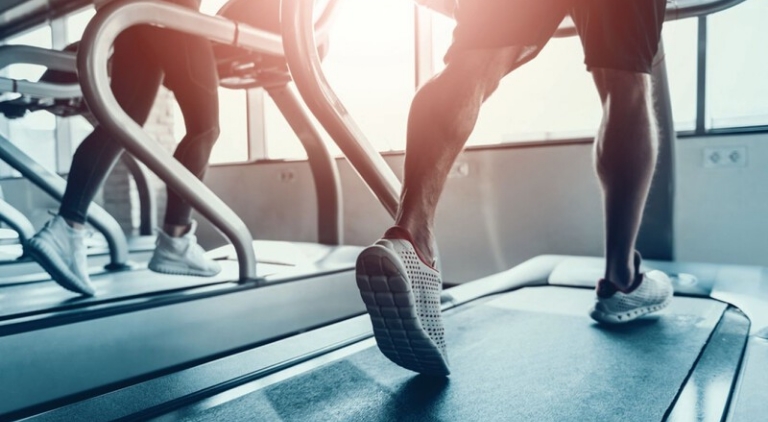
Cardio machines are excellent for burning calories, improving heart health, and increasing stamina. They offer a controlled environment for your workouts, regardless of the weather.
Treadmills
What it is: A machine with a moving belt that allows you to walk, jog, or run in place.
Key Features to Look For:
- Motor Power: For running, a motor of 2.5 CHP (Continuous Horsepower) or higher is recommended. For walking, 1.5-2.0 CHP may suffice.
- Belt Size: A wider and longer belt provides more comfort and space, especially for running. Look for at least 20 inches wide and 55-60 inches long.
- Cushioning: Good shock absorption is crucial to reduce impact on your joints.
- Incline and Speed Options: A good range of incline and speed settings allows for varied workouts.
- Console Features: Look for clear displays, pre-programmed workouts, heart rate monitors, and Bluetooth connectivity for app integration.
- Foldability: Essential for saving space when not in use.
Ellipticals
What it is: A stationary machine that simulates stair climbing, walking, or running with a low-impact motion. Your feet remain on pedals, and your hands grip moving handlebars.
Key Features to Look For:
- Stride Length: A longer stride length (around 18-22 inches) is more natural and effective for most users.
- Resistance Levels: A wide range of resistance options allows for progressive training.
- Incline: Some ellipticals offer adjustable incline to target different muscle groups.
- Console Features: Similar to treadmills, look for clear displays, workout programs, and heart rate monitoring.
- Smoothness of Motion: A fluid and quiet motion is indicative of a well-built machine.
Stationary Bikes
What it is: A stationary bicycle that allows for indoor cycling workouts. They come in various styles, including upright, recumbent, and spin bikes.
Key Features to Look For:
- Type of Bike:
- Upright Bikes: Mimic a traditional road bike, offering a more intense workout.
- Recumbent Bikes: Feature a larger seat with back support, ideal for those with back issues or seeking more comfort.
- Spin Bikes: Designed for high-intensity interval training (HIIT) and simulating outdoor cycling with heavier flywheels and greater resistance control.
- Resistance Mechanism: Magnetic resistance is generally quieter and smoother than friction-based systems.
- Adjustability: Seat and handlebar adjustments are crucial for proper fit and comfort.
- Console Features: Look for basic metrics like speed, distance, time, and calories burned, with more advanced options including heart rate monitoring and programmed workouts.
Rowing Machines
What it is: A machine that simulates the motion of rowing a boat, providing a full-body workout that engages both the upper and lower body, as well as the core.
Key Features to Look For:
- Resistance Type:
- Air Resistance: The most common type, offering a smooth and progressive resistance that increases with your rowing intensity.
- Water Resistance: Mimics the feel of rowing on water, providing a more natural and rhythmic experience.
- Magnetic Resistance: Offers quiet operation and precise resistance control.
- Hydraulic Resistance: Often found in more budget-friendly models, can be less smooth and durable.
- Monitor: Look for a monitor that tracks strokes per minute, distance, calories, and workout duration.
- Space-Saving Design: Many rowing machines can be stored vertically to save space.
Strength Training Equipment
Strength training is vital for building muscle, increasing metabolism, improving bone density, and enhancing overall functional strength.
Dumbbells and Kettlebells
What they are: Free weights that can be used for a vast array of exercises targeting all major muscle groups.
Key Features to Look For:
- Material: Cast iron is a popular and durable choice. Rubber-coated dumbbells can protect your floors and reduce noise.
- Grip: A comfortable and secure grip is essential for safety and effective lifting.
- Adjustable vs. Fixed:
- Fixed Dumbbells: Come in specific weight increments. You'll need multiple pairs for a comprehensive workout.
- Adjustable Dumbbells: Allow you to change the weight by adding or removing plates, saving space and cost in the long run.
- Kettlebell Shape: Ensure the handle is comfortable and allows for a secure grip for swings and other dynamic movements.
Resistance Bands
What they are: Elastic bands that provide resistance for a wide range of exercises. They are portable, affordable, and versatile.
Key Features to Look For:
- Resistance Levels: Bands come in different colors and thicknesses, indicating varying resistance levels. A set with multiple levels is ideal.
- Material: Natural latex is common, but some prefer thermoplastic elastomer (TPE) for durability and reduced allergy risk.
- Types:
- Loop Bands: Simple, continuous loops for exercises like squats, glute bridges, and lateral walks.
- Tube Bands with Handles: Offer a more controlled movement and can be anchored to simulate cable machines.
- Figure-8 Bands: Offer a unique resistance profile for upper body exercises.
Weight Machines (Home Gyms)
What they are: Multi-functional machines that offer a guided path for exercises, often targeting multiple muscle groups with a single unit.
Key Features to Look For:
- Number of Stations: Consider how many different exercises the machine can perform and if it caters to your target muscle groups.
- Weight Stack: Ensure the weight stack is sufficient for your strength training needs and offers progressive overload.
- Smoothness of Operation: Check for smooth pulley systems and cable movement.
- Space Requirements: Home gyms can be bulky, so measure your space carefully.
- Adjustability: Look for adjustable seats, backrests, and pulleys to accommodate different users and exercise variations.
Barbells and Weight Plates
What they are: Essential for compound lifts like squats, deadlifts, and bench presses, allowing for significant weight progression.
Key Features to Look For:
- Barbell Type: Standard barbells are common, while Olympic barbells are thicker and designed for heavier lifting.
- Weight Plates: Available in various materials (cast iron, bumper plates for Olympic lifting) and weights. Ensure they fit your barbell securely.
- Collars: Essential for securing weight plates to the barbell.
Flexibility and Recovery Equipment
These tools are crucial for improving range of motion, preventing injuries, and aiding muscle recovery.
Yoga Mats
What they are: Cushioned mats that provide grip and comfort for yoga, Pilates, and floor exercises.
Key Features to Look For:
- Thickness: Thicker mats offer more cushioning, while thinner mats provide better stability.
- Material: PVC, TPE, and natural rubber are common. Consider grip, durability, and eco-friendliness.
- Grip: A good grip is essential to prevent slipping during poses.
Foam Rollers
What they are: Cylindrical foam tools used for self-myofascial release (SMR), helping to relieve muscle tightness and improve flexibility.
Key Features to Look For:
- Density: Softer rollers are good for beginners, while firmer rollers provide a deeper massage.
- Surface Texture: Smooth rollers are standard, but some have textured surfaces for a more intense massage.
- Size: Standard size is versatile, while smaller rollers are good for targeting specific areas.
Massage Balls
What they are: Small, dense balls used to target specific trigger points in muscles, offering a more precise massage than foam rollers.
Key Features to Look For:
- Material: Rubber or dense foam.
- Size: Different sizes are available for targeting various muscle groups.
Making Your Final Decision
Choosing fitness equipment is a personal journey. By carefully considering your goals, available space, budget, and the specific features of each equipment type, you can invest in tools that will support and inspire your fitness endeavors for years to come. Don't be afraid to try out equipment in person if possible, and always prioritize safety and quality. Happy training!